Ontario Premier’s Controversial Jet Purchase Stirs Up Political Debate
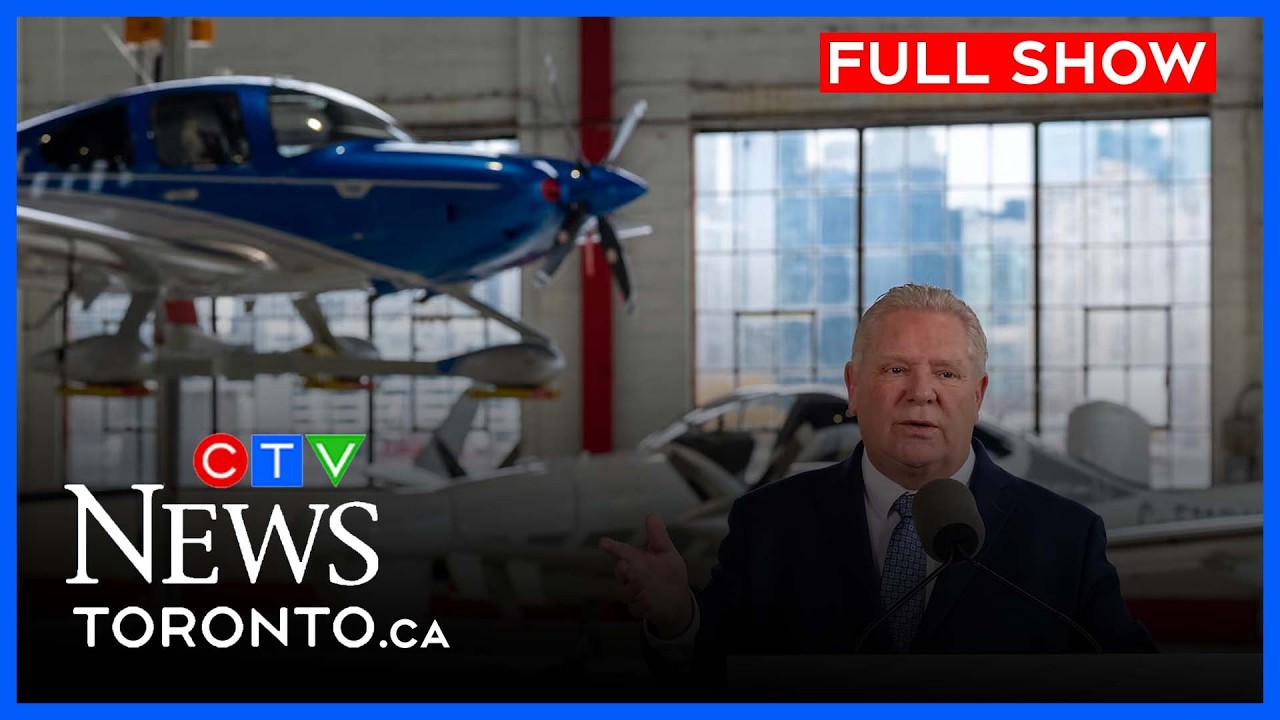
In a move that has ignited considerable backlash, Ontario Premier Doug Ford is set to use a $29 million private jet—funded by taxpayer dollars—to conduct government business. The aircraft, a Bombardier Challenger 650, is intended to support the Premier’s travel needs, particularly as he embarks on discussions aimed at countering U.S. tariffs and engaging with other provincial leaders.
Despite the Ford administration’s assertion that the jet is a necessity, opposition parties are vocal in their disapproval. Critics argue the purchase is insensitive, given that many Ontarians are grappling with rising living costs. With milk prices soaring and gas hovering around $1.85 per liter, the optics of a lavish jet purchase sit poorly with the public. Opposition leaders described the action as “excessive” and “extravagant,” questioning the priorities of a government that decided to invest such a staggering amount while many citizens struggle to make ends meet.
Supporting this claim, the Canadian Taxpayers Federation has publicly condemned the expenditure. A representative lamented that Ontario is currently on the hook for a deficit of $25.8 billion, pushing the province toward a cumulative debt approaching half a trillion dollars. The sentiment resonated with a significant portion of the populace, many of whom view the cost as an unnecessary extravagance in light of widespread financial strain.
The Premier’s office has countered that commercial flights are insufficient due to security and confidentiality concerns. In the past, Ford has been vocal about his choice not to utilize the existing government plane, distancing himself from what he derisively referred to as the "gravy train." Just months into his tenure, he opted for a modified van to navigate the province, a gesture that struck a chord with constituents seeking a more relatable leader.
Yet, the allure of a private jet—and the flexibility and comfort it promises—evidently outweighed his earlier preferences. As stated by the Premier’s office, the need for a more secure means of travel as he builds international relationships and engages in high-stakes discussions justified the decision. Despite this reasoning, skepticism remains pervasive, with critics pointing to existing government aircraft as adequate alternatives.
The outcry against the purchase is not merely confined to political rhetoric but extends into the realm of public sentiment. Polls show a growing frustration with government expenditures perceived as wasteful or self-indulgent, particularly in light of the pressing socio-economic issues that many residents face. Questions linger about whether taxpayer money is being spent wisely and reflectively of the needs and struggles of the populace.
While the new government jet is set to become operational by the end of July and based out of Toronto Pearson International Airport, the public’s focus remains on the implications of this expenditure. Will the Premier’s administration continue to align its practices with the demands of citizens advocating for fiscal prudence? Or will they prioritize the convenience of government officials at the expense of transparency and accountability?
As the narrative unfolds, one thing is clear: the tension between government spending and public exigencies is a delicate balancing act. Opposition leaders are eager to highlight any discrepancies between the government’s promises and its actions, and the narrative of a “jet-setting” Premier could become a potent electoral weapon in upcoming elections. Whether Ford’s government can navigate these choppy waters remains to be seen, and as citizens express their dissatisfaction, the call for a fiscally responsible approach to governance becomes ever more urgent.