Assessing the State of the Iran War: Five Days Post-Conflict Initiation
As the conflict in Iran reaches its fifth day, the situation remains tense and remains fluid with escalating military actions and rising civilian casualties. The United States and Israel have intensified their air strikes, targeting numerous sites across Tehran, including military installations and Iran’s security headquarters. The initial responses from Iran have also been aggressive, with attacks reported against U.S. allies in the Middle East.
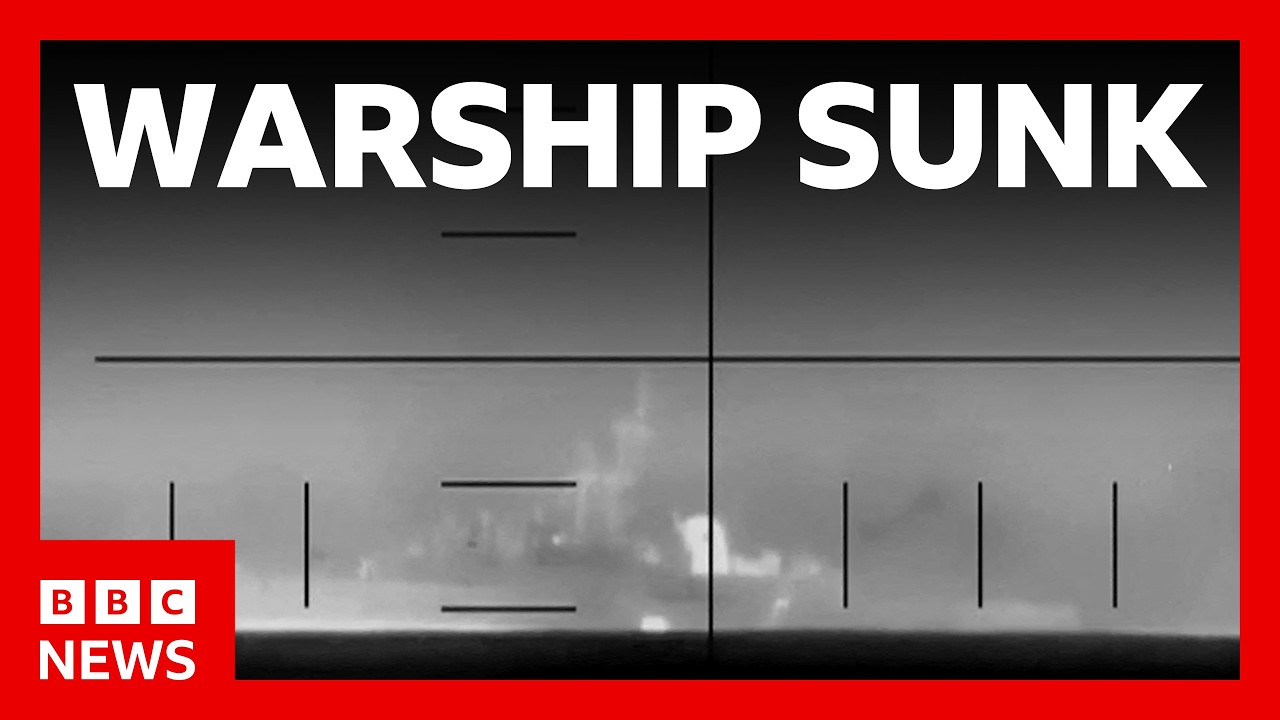
According to reports, an Iranian Navy ship was struck off the coast of Sri Lanka, leaving many casualties in its wake. Official estimates suggest that around 140 people are missing from this attack, raising concerns about a potential humanitarian crisis. Simultaneously, Iran has retaliated by launching drones and missiles at its neighbors, with Turkey, Israel, Saudi Arabia, and Kuwait all observing heightened security measures.
Inside Iran, a state-imposed internet blackout complicates communications and hampers information flow from the country. This isolation has taken a grim toll. Reports indicate a civilian death toll of more than a thousand, underscoring the devastating human cost of the ongoing conflict.
Individuals within Tehran have provided rare glimpses of life under bombardment. In private messages to the BBC, two men—whose identities we have concealed for security reasons—described their experiences amidst the conflict. They spoke of a chaotic reality fraught with fear and uncertainty, expressing disbelief at the situation unfolding around them. The atmosphere in the city has transformed drastically; they recounted a surreal mix of explosions and unexpected celebrations following the death of key figures, highlighting the complexities of public sentiment.
One man noted, “After the announcement of Ham’s death, I was shocked to hear cheering and ululation from some crowds,” a stark juxtaposition against the backdrop of destruction and loss. The war has turned daily life into a relentless struggle, with sirens and airstrikes becoming the new normal. Meanwhile, threats from the government compound this anxiety, warning that public dissent would be met harshly.
As Iran navigates this precarious situation, regional dynamics in the Middle East are also shifting. The Iraqi government is actively trying to maintain neutrality, emphasizing its intention to prevent its airspace from being utilized for attacks. However, there are reports of coalition forces operating in Iraq, raising concerns about escalating entanglement.
This evolving landscape has placed particular Arab nations in a precarious position. While many have expressed frustration at Iranian aggression, they are also wary of being drawn into the conflict. Despite any apparent alignment, diplomats from multiple countries, including Oman and Qatar, have attempted to broker peace and avoid further escalation.
On the international front, U.S. Secretary of Defense has assured the public that investigations into civilian casualties, such as the tragic airstrike on a girl’s school that reportedly killed over 160 individuals, are ongoing. No definitive conclusions have been reached, leaving questions regarding accountability and the ethics of military engagement in such sensitive contexts.
The shifting military landscape has also seen the involvement of European nations. The UK, amidst growing tensions, is preparing its naval capabilities in response to increased threats against bases in Cyprus. This is symbolic of the broader regional friction, as military capabilities are being repositioned to safeguard interests in the face of possible Iranian retaliation.
Amid the chaos, U.S. political leaders appear to be recalibrating their objectives. Former President Trump’s stance reflects a growing impatience with diplomacy, emphasizing a more militaristic approach. Nevertheless, the complexity of the situation raises critical questions regarding the clarity and efficacy of U.S. aims, particularly concerning the durability of Iran’s regime in the aftermath of conflict.
As the region grapples with the ramifications of the ongoing conflict, the Iranian people find themselves in a painful limbo, caught between their government’s decisions and the fallout from international military engagement. Many share a collective anxiety and uncertainty about an increasingly volatile future as violence and loss permeate their daily lives. The coming days are expected to bring further developments, but already, the implications of the current warfare are profound, with unanswered questions hanging heavily in the air.