Toronto Police Officer Charged with Manslaughter in Fatal Shooting Incident
In a significant development that has garnered substantial media attention, a Toronto police officer, Constable Andrew Lawson, has been charged with manslaughter following a fatal shooting in Niagara Falls. The incident unfolded on July 30 of the previous year at a hotel, where law enforcement was executing a warrant in search of an individual who had allegedly breached parole conditions.
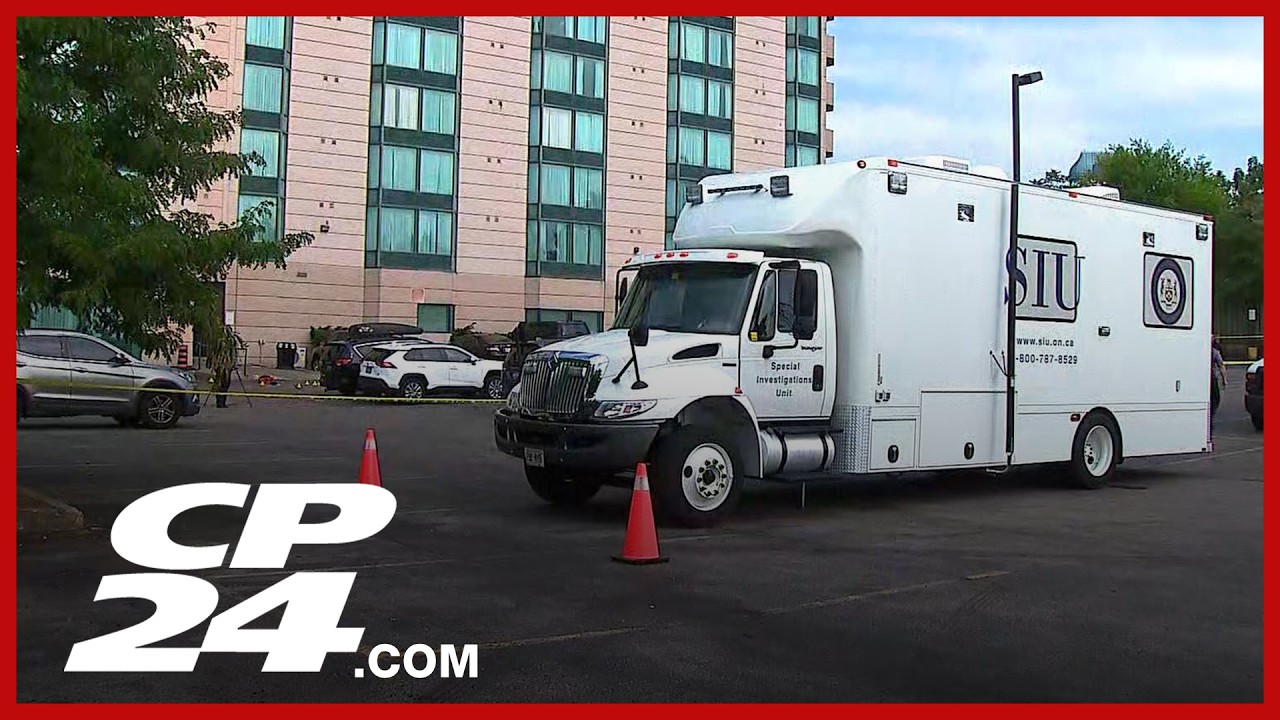
During the operation, a 40-year-old man was shot by police and subsequently succumbed to his injuries in a hospital. This tragic outcome has raised questions regarding police protocol and the use of force in such scenarios. The Special Investigations Unit (SIU), which is responsible for overseeing incidents involving police and the potential for serious injury or death, has confirmed the charge against Lawson.
Constable Lawson’s arrest occurred today, but he has been released from custody. He is scheduled to make a court appearance next month, where further legal proceedings will unfold. Currently, Lawson, who is 52 years old and boasts a lengthy career with 30 years of service in the Toronto Police Service (TPS), has been suspended from duty. Notably, this suspension is with pay, which has sparked discussions about the broader implications of police accountability in cases involving serious charges.
The circumstances surrounding the shooting are complex. Law enforcement operations aimed at apprehending individuals who violate parole conditions can often escalate unexpectedly. However, the importance of transparency in these cases cannot be overstated. The community’s trust in law enforcement hinges on the belief that officers will act within legal and ethical boundaries. The details surrounding the shooting incident and the warrant execution will likely be scrutinized extensively during the upcoming legal proceedings.
As investigations continue, the SIU’s role will be crucial in determining the appropriateness of the actions taken by Lawson and his colleagues on that fateful day. In cases of this nature, not only do the facts matter, but public perception also plays a critical role in the discourse surrounding law enforcement practices. The implications extend beyond the individual officer; they touch on national discussions about policing methods, accountability, and community relations.
Critics of police use of force argue that incidents like these underscore a need for reform within law enforcement agencies. Advocates for change emphasize the importance of developing alternative strategies for dealing with individuals in crisis situations, with an aim to de-escalate rather than resort to lethal force. The ramifications of this incident will likely contribute to ongoing debates concerning the appropriate use of force and the mechanisms of accountability that govern police conduct.
Amidst this backdrop of increasing scrutiny, it is evident that the case against Constable Lawson will serve as a pivotal moment—not just for those directly involved, but for the wider community of Niagara Falls and beyond. Questions surrounding budget constraints, training, and the role of mental health services in policing are bound to resurface as the case progresses.
As the legal process unfolds, it will be essential for all parties to approach the situation with a commitment to transparency and fairness. The road ahead will not only require thorough examination of the facts but also a commitment to fostering dialogue around police practices, accountability, and community safety. The expectation is for justice to be served while ensuring that such tragic incidents are addressed thoughtfully and effectively.
In conclusion, as Constable Andrew Lawson faces manslaughter charges linked to a fatal shooting incident, the implications stretch far beyond the court proceedings. This incident has the potential to influence the narrative surrounding police conduct in Canada, heightening the need for constructive discussions and enduring reforms in law enforcement practices. The community looks on, hopeful for a resolution that reflects justice and understanding.