Tensions Rise Over Iran’s Actions and U.S. Response: A Closer Look
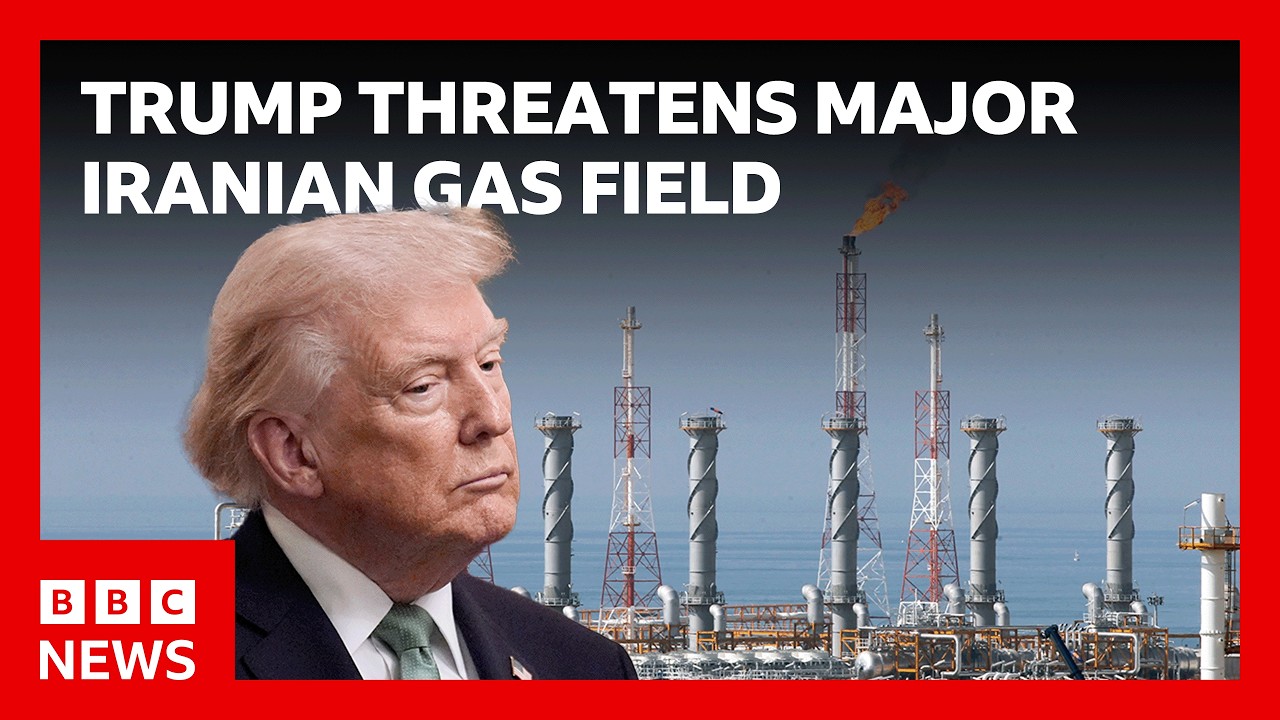
In a recent, incendiary statement on Truth Social, former President Donald Trump issued a stark warning to Iran concerning its aggressive actions towards Qatar’s gas infrastructure. He escalated the rhetoric further by threatening to retaliate with overwhelming force against Iran’s South Pars gas field—one of the largest natural gas fields globally. His potential military response raises significant questions about geopolitical stability in the region.
On the surface, Trump’s comments were a reaction to Iran’s recent airstrikes. Shortly before his post, Iranian state television disclosed that it had attacked the Razlefan complex, and Qatar Energy confirmed that significant damage was inflicted upon the facility. This incident occurred following perceived Israeli assaults on the South Pars gas field, which heightened tensions and led to subsequent Iranian reprisals. The Iranian government justified its strikes as a retaliatory measure against what it believed to be unwarranted Israeli aggression.
Trump’s post was not merely a casual remark; it reflected a broader concern regarding national security and energy stability. He labeled the Israeli strikes as “violent” and asserted that the United States had no foreknowledge of these actions. His tone indicated a defensive posture towards U.S. allies in the region, emphasizing that Qatar had not played any part in the unfolding attacks. He explicitly stated, “No more attacks will be made by Israel related to the Iranian gas fields unless Iran decides to strike Qatar again.” This ultimatum underscores the delicate balance of power and the fragility of diplomatic ties in the Middle East.
The ramifications of these events are already being felt in global oil markets. Following the escalation, Brent crude oil prices surged by approximately 5%, now trading at over $113 per barrel. This spike marks a significant increase compared to previous weeks, where prices hovered around the $70 to $80 range. Analysts attribute this uptick to the blockade in the Strait of Hormuz—an essential shipping route for oil that Iran effectively controls. If Iran continues its military actions, the disruption to supply chains could further destabilize oil prices, leading to cascading effects across various industries.
Asia, particularly reliant on energy supplies from the region, is feeling the brunt of these price increases. Higher oil prices lead to soaring transportation costs, which in turn affect manufacturing and consumer goods. This economic ripple effect emphasizes the interconnectedness of global markets and the potential for localized conflicts to have far-reaching consequences.
Amid the uproar, countries in the Gulf region are not sitting idly by. Qatar and the United Arab Emirates, feeling the heat of Iranian anger, are gearing up for potential retaliatory measures of their own. Recent statements from diplomatic leaders across the Middle East reflect a unanimous condemnation of Iran’s actions, as they assert their right to self-defense. The mood is not just one of anger but of profound concern about the long-term ramifications of these strikes.
In an unexpected twist, countries that have historically maintained ties with Iran, such as Oman, are expressing alarm over the increasing hostilities. This development suggests that Iran’s assertive actions might not just damage its relationships with adversaries; they could also jeopardize any remaining diplomatic avenues it had with neutral parties.
As the geopolitical landscape continues to shift, the ramifications will likely be felt for years to come. The actions of Iran, Israel, and the rhetoric from the United States are shaping an era of unpredictability in the Middle East. Trump’s threat, while characterized by bravado, serves as a reminder of the high stakes involved. The warning of unleashing unprecedented force against Iran’s natural gas fields could either stabilize the situation by deterring further aggression or escalate it into an unmanageable conflict.
In this complex web of international relations, every action has consequences. The outcome of these tensions will undoubtedly redefine alliances and energy markets across the globe, necessitating astute diplomatic engagement to navigate the choppy waters ahead.