Escalating Tensions in the Afghanistan-Pakistan Conflict: A Look at Recent Developments
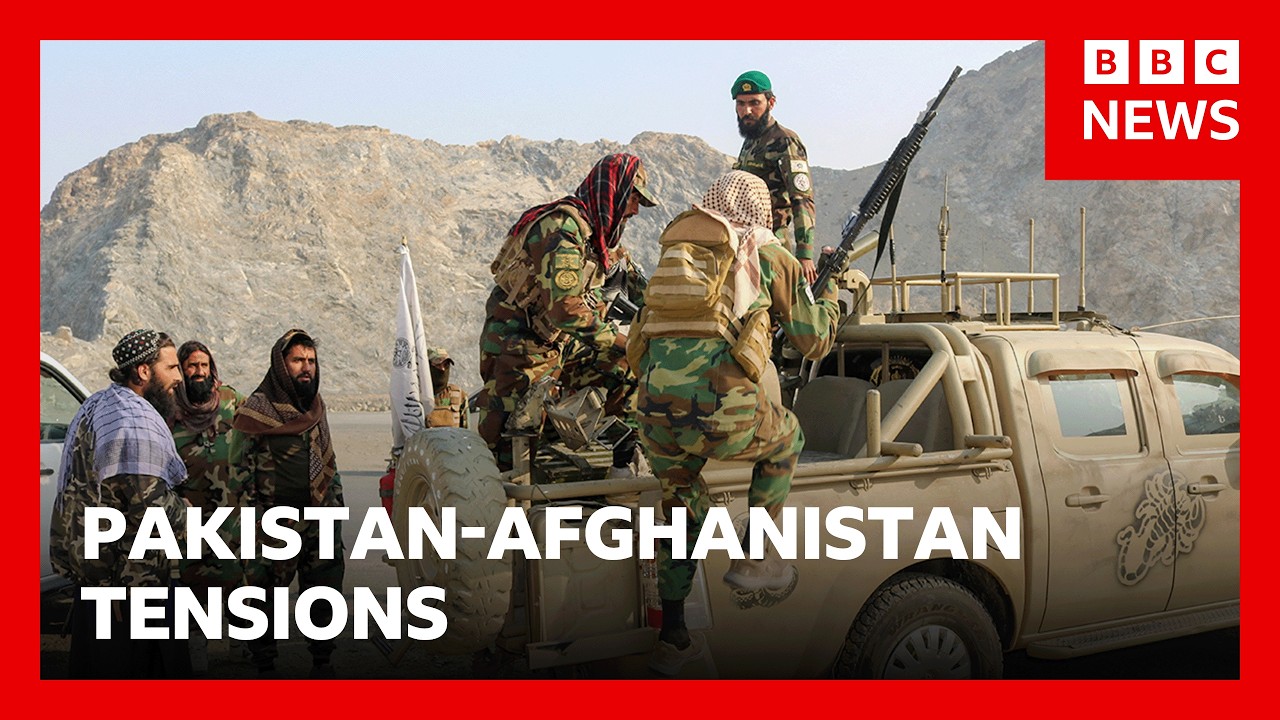
Recent military engagements between Pakistan and the Afghan Taliban have escalated tensions in the region, leading to a significant loss of life and a declaration of open war. Since Thursday night, Pakistan’s armed forces have claimed to have killed over 270 Taliban officials and militants through cross-border strikes. In stark contrast, at least 12 Pakistani soldiers have reportedly lost their lives in the confrontations. This skirmish has unfolded across multiple locations, including the Afghan capital, Kabul, and Kandahar, highlighting the intensity of the conflict.
The Context of the Conflict
The upsurge in violence can be traced back to several suicide bombings in Pakistan that preceded the military actions, including a particularly devastating attack in Islamabad. The focus of Pakistan’s military narrative centers on the assertion that these bombings were orchestrated from Afghan soil, prompting a swift military response. In this heated atmosphere, Pakistan’s leadership has articulated a strong resolve to respond decisively against what they term Afghan Taliban aggression.
The rhetoric from Pakistani officials has become more aggressive, reflecting a shift towards confrontation rather than dialogue. The Pakistani Defense Minister’s declaration of a "state of open war" denotes a significant escalation in the conflict. Notably, Pakistan has referred to the Taliban as "master proxies," a rhetorical shift that could indicate an intention to directly confront the Taliban’s influence.
Taliban’s Response and Call for Dialogue
Conversely, the Taliban government has initiated a major offensive against Pakistani military installations along the Durand Line, a controversial border between the two nations. While they have engaged Pakistan militarily, a Taliban spokesperson recently indicated a willingness to resolve disputes through dialogue. This dual approach of readiness for talks coupled with military action raises questions about sincerity and feasibility.
The Taliban’s insistence on dialogue while simultaneously conducting operations against Pakistani positions complicates the situation further. It’s evident that internal factions within both the Taliban’s ranks and the Pakistani military may impact the potential for peace. The Taliban claims that certain military officers in Pakistan are obstructing dialogue efforts, illustrating a deeper rift that may hinder attempts at negotiations.
The Role of External Influences
China, a close ally of Pakistan, has called for restraint from both parties. This external voice emphasizes the international community’s concern regarding the escalating violence, which threatens regional stability. The involvement of external powers such as China suggests that the implications of the conflict extend beyond the immediate actors involved, hinting at a broader geopolitical context.
Notably, as the situation intensifies, reports of civilian casualties have emerged. Evidence indicates that Afghan airstrikes have resulted in substantial civilian harm, including the tragic deaths of members of a single family. The Taliban has condemned these civilian casualties, blaming Pakistan for the deteriorating situation. Both sides are thus engaged in a complex war of narratives, exacerbated by the suffering of civilians caught in the crossfire.
Future Prospects
The ongoing military actions, coupled with conflicting messages about the desire for dialogue, create an unpredictable landscape in the Afghanistan-Pakistan conflict. The divergent perspectives from military leaders and government officials on both sides could lead to further escalation or potential pathways to negotiation.
The conflicting narratives raise fundamental questions about military strategy, governance, and public safety. As both governments grapple with internal pressures—ranging from external threats to domestic unrest—the resolution of this conflict remains uncertain. The recent engagements mark a pivotal moment in their long history of fraught relations, suggesting that unless substantive dialogue is prioritized, both nations may continue to spiral deeper into violence.
In conclusion, the rapid escalation of hostilities between Pakistan and the Afghan Taliban reflects enduring tensions, complicated by regional dynamics and internal pressures. The urgent need for a comprehensive dialogue is palpable, yet fraught with challenges that both sides must navigate with caution.