Rising Oil Prices Amidst Middle East Conflict
In recent weeks, oil prices have spiked dramatically, reaching as high as $100 a barrel. This resurgence is deeply intertwined with escalating tensions in the Middle East, particularly following a series of attacks on shipping routes. Despite coordinated efforts from numerous countries to release record amounts of emergency oil reserves, the market remains susceptible to instability.
Recent Attacks and Casualties
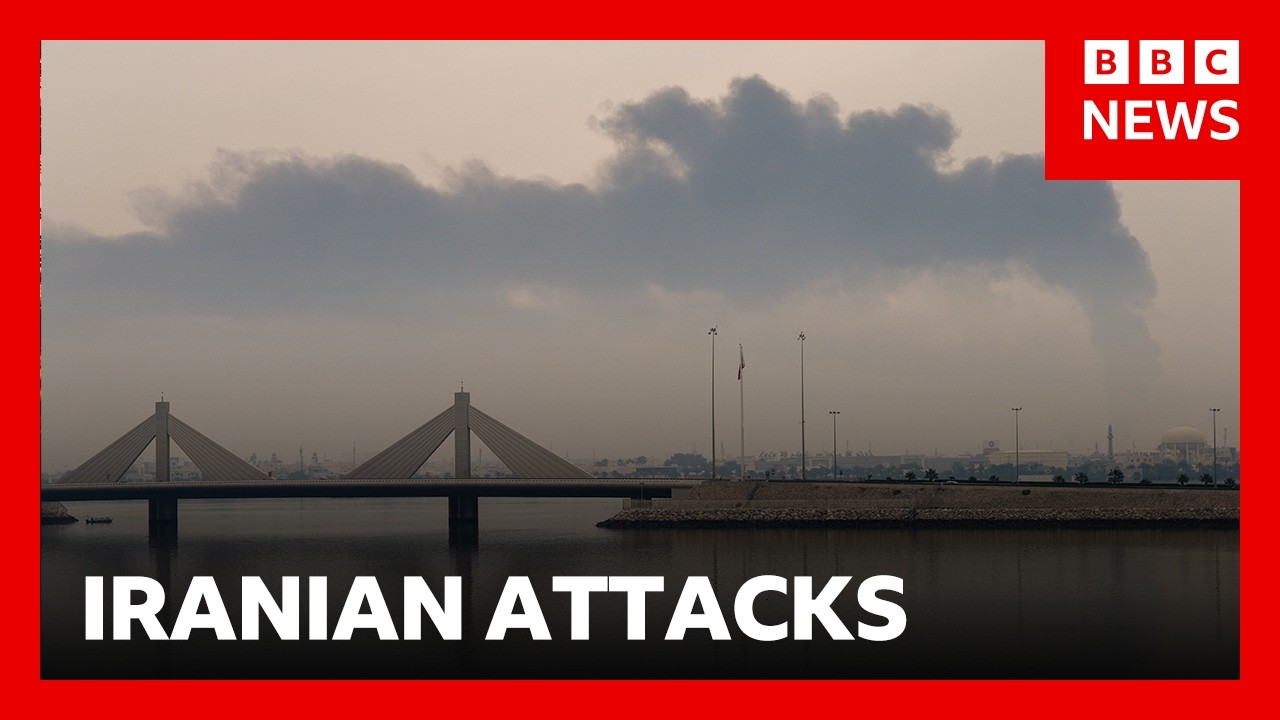
The latest round of violence includes assaults on two tankers near Iraq, resulting in one death and 38 crew members being rescued. Furthermore, a container ship was struck off the coast of the United Arab Emirates, close to the pivotal Strait of Hormuz—responsible for approximately 20% of the world’s oil traffic. In the context of these incidents, former U.S. President Donald Trump emphasized the importance of securing this transit point, illustrating the broader geopolitical ramifications of these conflicts.
The situation is compounded by Israel’s intensive airstrikes targeting Iran and its allies, notably Hezbollah in Lebanon. Over a ten-day period, the Israeli military has conducted extensive operations, particularly in the Lebanese capital of Beirut. During this time, more than 600 fatalities have been reported due to bombings, which have left civilians living in constant fear and uncertainty.
The Human Cost
Lena Sinjab, a correspondent in Beirut, provides striking insights into the human impact of these airstrikes. She notes that recent attacks—often occurring without warning—have targeted residential areas, further endangering civilians. Many are now displaced, seeking refuge in makeshift shelters along the coastline. Reports of casualties among the civilian population are rising, raising alarming parallels to Lebanon’s protracted conflict of 2006.
Local residents express deep concerns about their safety. Many feel they are caught in a conflict that is not theirs, and they increasingly hold Hezbollah responsible for drawing them into this turmoil. Sinjab highlights a palpable sense of mistrust among the civilians, as they grapple with the uncertainty of not knowing if their neighbors may be affiliated with groups like Hezbollah.
The Response to Civilian Displacement
Amidst the chaos, Lebanese authorities and humanitarian organizations are working to provide relief. Schools and public stadiums have been designated as shelters. However, the presence of potential militia members amongst displaced individuals exacerbates the already fraught situation. Concerns over security can be painfully personal in these instances, as every neighbor represents a potential threat.
Despite the dire circumstances, some residents still express wariness about Hezbollah. Over time, support for the group appears to be waning, particularly among individuals who have been displaced or affected by the ongoing strife.
Wider Implications for the Region
As the violence escalates, the ramifications extend beyond Lebanon. Recent reports of drone attacks in Dubai underline the regional threats posed by Iran. High-profile targets, including financial institutions, are now in jeopardy. The anxiety cultivated by these attacks has raised questions about security protocols and personal safety within the UAE.
Governments are acutely aware of the economic implications as tourism and business travel falter. In response to safety concerns, companies like Citibank have opted to send employees home, further illustrating the pervasive sense of uncertainty across the region.
Outlook and Strategic Responses
As the conflict continues to unfold, reports of missile launches from both Iranian and Hezbollah operatives into Israel demonstrate a coordinated effort that is troubling to both parties involved. Israel’s military has stated its intent to expand ground operations aimed at neutralizing Hezbollah’s capabilities.
However, this strategy harkens back to Israel’s previous incursions, which have not always ended favorably. The power dynamics in the region are complex, and ongoing violence raises serious questions about the future of both Lebanon and Israel.
In summary, as oil prices climb and violence persists, the Middle East is witnessing a heated intersection of geopolitical strife and economic instability. The human cost is steep, with civilians bearing the brunt of conflicts that seem to have spiraled beyond their control. Insight into these circumstances reveals not only the immediate dangers but also the long-term effects on regional stability and international oil markets.