The Battle for Michigan’s Democratic Senate Nomination: A Question of Identity and Electability
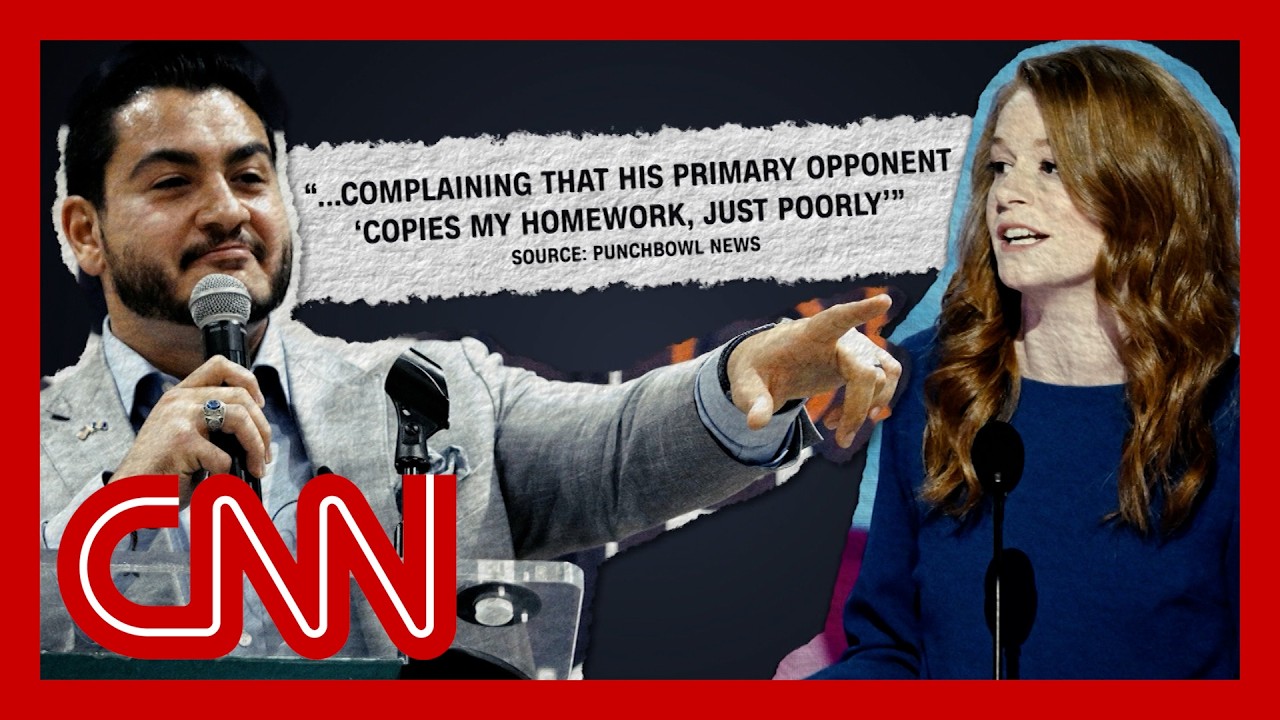
As the midterm elections approach, Democrats are increasingly optimistic about the possibility of securing control of the Senate. Yet, the state of Michigan presents them with a formidable challenge. A primary contest is brewing that could either galvanize the party or inhibit its potential to win a crucial seat. At the heart of this discord are competing visions of what the Democratic Party should embody in an era permeated by Trumpism.
Leading the progressive charge is Abdul El-Sayed, a former public health official backed by Bernie Sanders. At just 41, El-Sayed aims to position himself as the bold alternative to more moderate stalwarts within the party. His campaign resonates with younger voters eager for substantive change—particularly on issues like healthcare and immigration. Indeed, El-Sayed’s call for the abolition of ICE and his advocacy for Medicare for All signal a departure from traditional Democratic norms. “We’re sick and tired of the same old Democrats who lack courage,” he asserts, tapping into a sentiment among many who feel that the party has failed to adequately confront the complexities of today’s political landscape.
Meanwhile, the establishment’s favored candidate, Congresswoman Haley Stevens, offers a contrasting approach. Representing a more moderate constituency from the Detroit suburbs, Stevens emphasizes economic issues and pledges to work across the aisle. In her view, being “normal” equates to maintaining solid relationships with allies, including longstanding partnerships with Israel. Her stance resonates with constituents who appreciate stability over revolution, especially within a swing state that has historically oscillated between Republican and Democratic candidates.
Amid this primary battle, state senator Mallory McMorrow stands at a crossroads. By attempting to appeal to both the progressive base and traditional Democrats, she seeks a balance that may prove elusive. McMorrow has been vocal about her belief in progressive policies but also expresses the need for practical governance. “Rhetoric is nice, but results are better,” she claims, as she campaigns in local breweries and engages directly with voters. This approach, however, has garnered criticism for being indecisive—in an environment where clarity of thought and purpose is crucial.
The stakes are high, particularly as the Republican candidate, Mike Rogers, prepares for a potentially aggressive campaign. With the backing of a significant outside group willing to spend $45 million, Rogers presents a formidable challenge. His established political background gives him an edge, making it imperative for Democrats to unify and devise a coherent strategy that transcends internal divisions.
One of the most glaring battlegrounds in this primary lies in the realm of foreign policy, specifically regarding Israel and Palestine. With a substantial Arab-American population in Dearborn and a strong pro-Israel demographic in Oakland County, candidates must navigate this intricate landscape carefully. El-Sayed has taken a hard stance against Israeli policies, generating both support and pushback. His sharp critiques of Israel’s actions, calling them akin to “genocide,” have alienated some voters who are more aligned with traditional Democratic views. Conversely, Stevens asserts her commitment to pursuing peace rather than engaging in divisive rhetoric.
As the election date draws closer, party leaders must address the pronounced question of electability. Should Democrats nominate a firebrand to energize the base or a more conventional candidate capable of appealing to swing voters? This quandary underscores a larger narrative about the Democratic Party’s identity—what does it stand for in a post-Trump America?
El-Sayed, committed to progressive ideals, argues that Democrats should not shy away from bold stances due to fear of repercussion. “If we keep moving based on what Republicans say about us, we’ll never stand for anything,” he insists. At the same time, moderates like Stevens call for a more calculated approach, suggesting that a “normal” Democrat could be the key to winning over independents and disenchanted voters.
The stakes in Michigan are emblematic of larger trends within the Democratic Party. The outcome of this primary may very well set the tone for future electoral strategies in a state pivotal to national politics. As diverse factions vie for dominance, the question remains: what kind of party do Democrats want to be—and can they reconcile their differences in time to seize the opportunity for Senate control? The answer could redefine not just Michigan politics, but the future trajectory of the Democratic Party as a whole.