Understanding the Escalating Conflict: The U.S.-Israeli Actions Against Iran
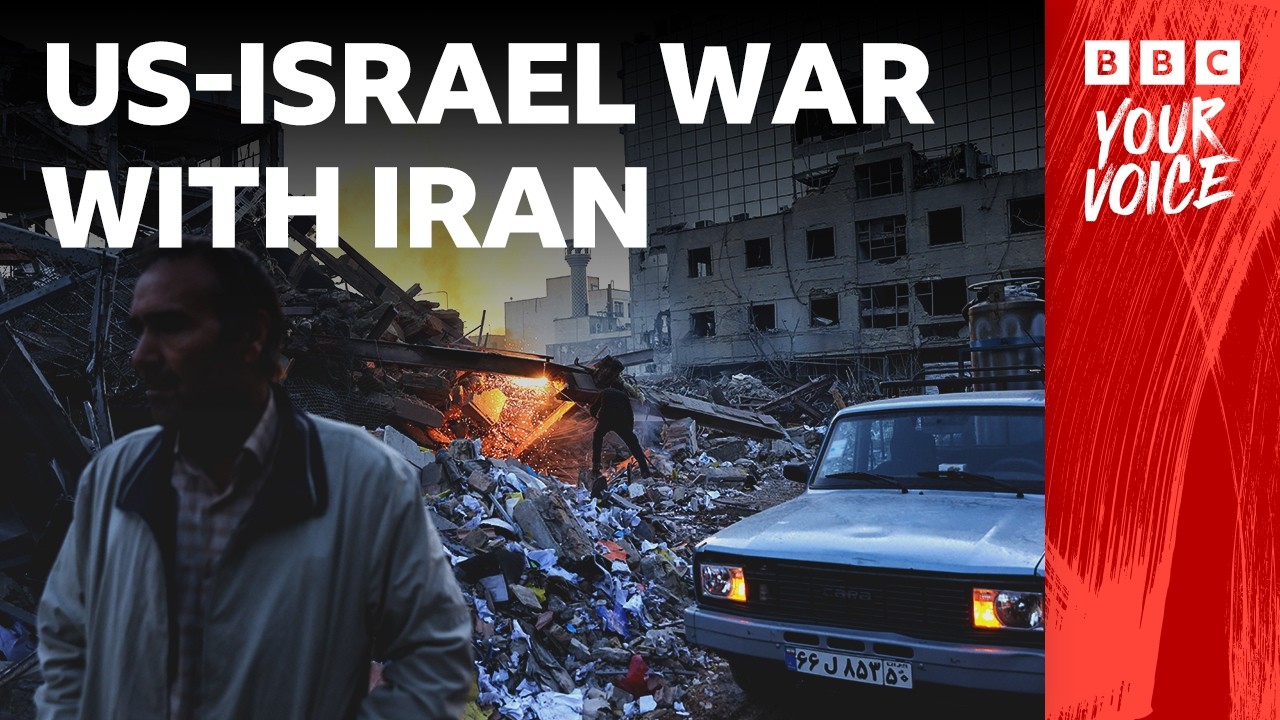
The ongoing conflict in the Middle East has become increasingly complex and urgent, drawing substantial attention from around the world. The recent military actions by the United States and Israel against Iran come amid a backdrop of stalled diplomatic negotiations, raising numerous questions about the motivations behind these strikes and their potential ramifications.
The unfolding crisis seems to stem from faltering discussions aimed at addressing Iran’s nuclear ambitions. While progress seemed achievable through dialogues mediated by Oman in Geneva, underlying issues remained unresolved. Key among these was Israel’s insistence on curbing Iran’s ballistic missile program and its support for various proxy militias across the Middle East. The Iranians, however, have consistently rejected these additional discussions, viewing them as a violation of their sovereignty.
Frank Gardner, the BBC’s security correspondent, emphasized the controversial nature of the recent attacks, particularly concerning their legality. The absence of Congressional approval for these military actions raises questions about their legitimacy. It appears that the U.S. and Israel had prepared for such an eventuality in advance, possibly anticipating that negotiations would not yield favorable results. This preemptive strategy, attributed to former President Donald Trump and influential figures like Marco Rubio, complicates the narrative surrounding the conflict.
Despite an initial glimmer of hope in the negotiations, there seems to be a prevailing skepticism regarding Iran’s intent to engage in genuine dialogue. The U.S. Secretary of Defense has articulated concerns that Iran has resorted to stalling tactics in negotiations. Historical patterns demonstrate that while Iran may concede minor points to defuse pressure, it often stalls critical discussions related to its missile capabilities and regional influence.
The ramifications of the U.S.-Israeli actions extend beyond the immediate theater of conflict. Questions are now arising about Iran’s potential retaliation, particularly towards its perceived adversaries like the United Kingdom. Recent missile and drone attacks have targeted countries including Israel, Kuwait, and the United Arab Emirates. Such aggressions highlight Iran’s capacity for military action and its willingness to escalate its involvement in regional conflicts.
Security agencies in the UK have expressed heightened concern about possible subversive activities stemming from Iran. Reports suggest that Iranian operatives have attempted kidnappings and other acts of violence against opposition activists residing in the UK. This emergent threat has provoked increased vigilance from institutions like MI5, especially concerning potential targets within the Jewish community.
The international community watches closely as the situation unfolds, particularly in light of the numerous potential flashpoints. The risk of retaliatory actions from Iran presents an unpredictable variable, complicating diplomatic efforts. Gardner’s insights into the evolving landscape underscore the necessity for a comprehensive security strategy that not only addresses the immediate military threats but also considers the broader geopolitical ramifications.
As public interest in the conflict grows, it is essential to reflect on the importance of informed dialogue. Misinformation and speculation can exacerbate tensions and undermine peace efforts. Understanding the intricate layers of historical grievances, national security interests, and the regional balance of power is paramount as we navigate through this volatile phase.
In conclusion, the escalating U.S.-Israeli actions against Iran mark a significant turn in Middle Eastern politics. The complex interplay of military and diplomatic strategies will undoubtedly shape the future of regional stability. It remains imperative for observers and policymakers to approach the situation with a nuanced understanding, recognizing the profound implications that military decisions can have not only within the region but around the world. The hope lies not just in the cessation of hostilities, but in meaningful dialogue that addresses the myriad challenges faced by all parties involved.