The Geopolitical Ripple Effects of Iran’s Missile Capabilities
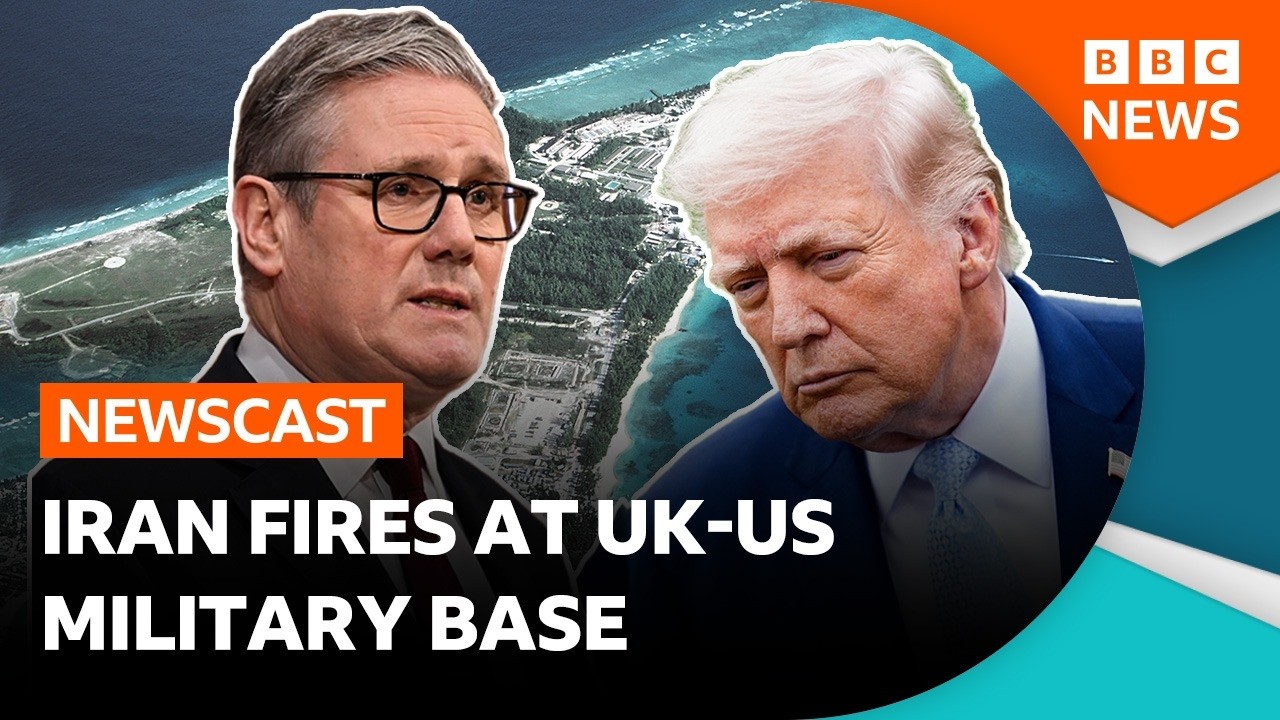
The small island of Diego Garcia, once considered a mere strategic outpost for British and American military assets, has suddenly found itself at the center of escalating tensions between Iran and the West. Recent reports revealed that Iran reportedly attempted to launch missiles towards this remote base, an act that not only raises questions about Iranian military capability but also serves as a critical reminder of the evolving geopolitical landscape following the United States’ increased military involvement in the region.
In a rapidly shifting context marked by the ongoing conflict between Iran, Israel, and the United States, the implications of such an attack transcend mere military engagement. For years, Iran’s defense strategy has revolved around retaliatory measures, particularly aimed at facilities that support enemy operations. The attempt to target Diego Garcia signifies a marked expansion of Iranian reach, suggesting they may possess missile technology capable of traveling nearly 4,000 kilometers—far beyond previous estimates of their missile range, which hovered around 2,000 kilometers.
The geopolitical ramifications are profound. The recent engagements in the Straits of Hormuz illustrate Iran’s broader strategy to "weaponize" this critical maritime artery, vital for global oil transport. Iran’s military has been clear in its ambitions; they are determined to protect their interests against perceived aggression from the U.S. and its allies. The failed missile attack, occurring shortly after the UK’s agreement to allow U.S. operations from its bases, raises alarms not just about Iran’s capabilities but also about Britain’s strategic decisions and their ramifications.
As the situation develops, the timeline of these events is crucial for both governments and military analysts. The UK’s decision to permit U.S. operations in the region could be seen as an endorsement of escalating military action, which Iran has interpreted as "playing with fire." This complex interplay of decisions and retaliation underscores the urgency with which Downing Street must manage public perception and policy direction.
Military experts are already assessing whether Iran’s missile capabilities genuinely allow for strikes that might reach Diego Garcia. Such an assessment would not only affect military strategy but could also influence diplomatic relations significantly. If Iran possesses the technical prowess to launch attacks this far, U.S. and UK defense policies will have to adapt to a reality where Iranian aggression could extend far beyond the Middle East.
Moreover, the humanitarian angle cannot be ignored amidst these military developments. Nearly 1.2 million people are currently displaced in regions affected by this conflict, highlighting a tragic dimension that complicates any military engagements. As David Miliband of the International Rescue Committee pointed out, humanitarian needs are on the rise globally, exacerbated by military conflicts and economic disruptions. The blockade in the Straits of Hormuz has cut off not just oil but essential supplies, pushing vulnerable populations into further instability.
The intersection of military and humanitarian issues demands that governments respond with urgency and empathy. Cuts to overseas aid budgets in favor of military expenditure underscore a troubling trend; decisions made now will have ripple effects for decades. Ensuring that humanitarian efforts remain robust is as vital as protecting national security.
The alliance between the UK and the U.S. will likely face strains as the situation in Iran escalates. Amid disputes concerning the military’s role in foreign policy, questions of leadership arise. How should democratic leaders manage relationships with an American administration that exhibits erratic behavior? As global threats become more intricate, establishing solid diplomatic channels is more important than ever.
As this geopolitical crisis unfolds, it is clear that the events surrounding Iran’s missile capabilities will shape the future of international relations well beyond the immediate conflict. With missile technology advancing and military strategies evolving, the world must remain vigilant. The situation is a stark reminder of the delicate balance that exists between defense, diplomacy, and humanitarian concerns in an increasingly interconnected world. Understanding this complex landscape is crucial as governments navigate the intricacies of modern geopolitical challenges.