The Geopolitical Landscape of the Strait of Hormuz: Emerging Developments and Global Implications
The Strait of Hormuz, a vital artery for global oil and gas trade, has been at the center of geopolitical tensions since the onset of recent hostilities involving Iran. More than a month into the conflict, reports suggest that Iran has blockaded this crucial strait, causing energy prices to soar. Yet, recent developments indicate a complex and evolving situation, where selective access is being granted to certain vessels, raising both logistical issues and international concerns.
Initially characterized as a total blockade, the reality appears to be more nuanced. A limited number of ships have managed to navigate these turbulent waters, primarily those with ties to Iran or allied nations, including India, Pakistan, and China. Notably, a vessel linked to France recently made its way through, although the underlying negotiations remain cloaked in ambiguity. Foreign registries often cloud the ownership narrative, with many ships registered in locations like Panama to sidestep political scrutiny.
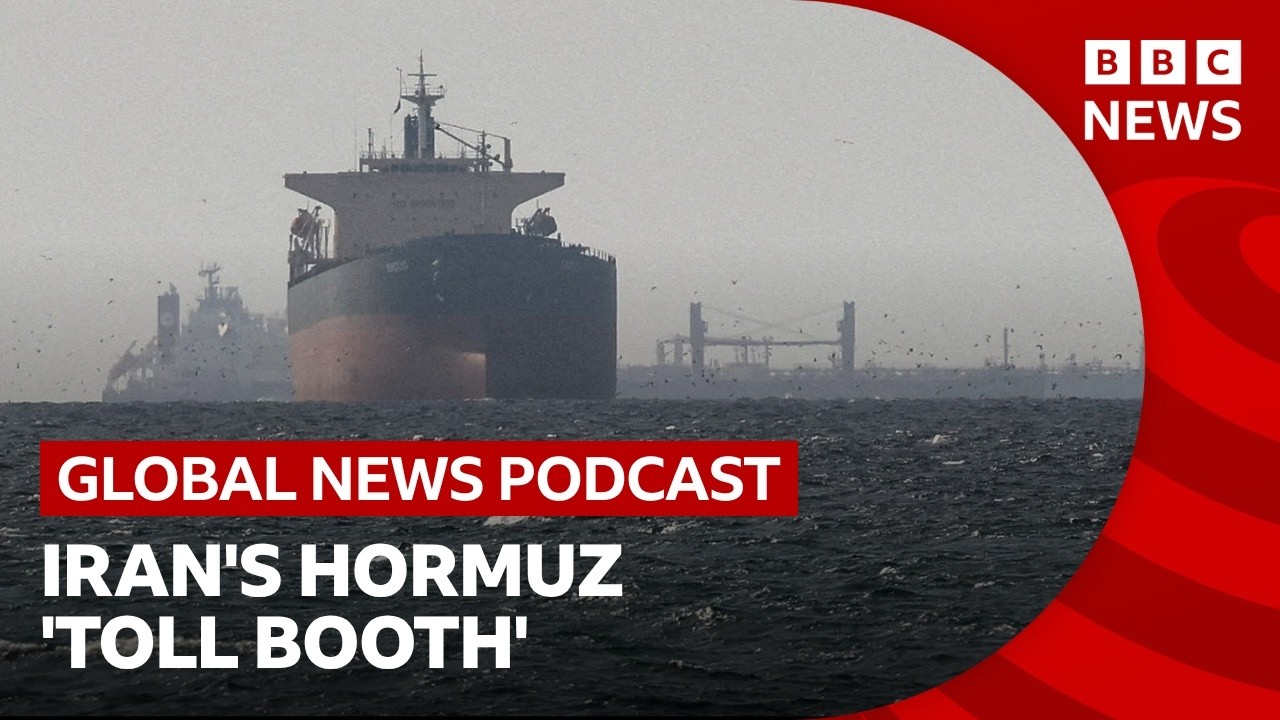
Speculation surrounding the methods by which these vessels secure passage has emerged, suggesting the existence of a "toll booth" system instituted by the Iranian regime. Accounts indicate that shipping companies may be paying substantial fees—an estimated $2 million—to Iranian intermediaries associated with the Islamic Revolutionary Guard Corps (IRGC). This payment supposedly facilitates escorted passage through the strait, a safety measure necessitated by the looming threat of sea mines. The prospect of navigating a mine-laden waterway is a genuine concern, necessitating additional protective measures for shipping companies.
This financial model raises serious ethical and legal questions. Many Western nations, particularly those advocating for international sanctions against Iran, view the established arrangement as a breach of maritime law. A recent meeting in the UK involved representatives from 40 countries who collectively rejected this untoward toll system. While the Iranian government may argue they are merely recouping their wartime losses, the international community is cautious about legitimizing such practices.
The implications of this complex scenario extend far beyond the realm of oil logistics. For instance, Pakistan, a country friendly toward Iran, saw a drastic 50% increase in diesel prices recently. Such hikes disproportionately affect small businesses and lower-income individuals, leading to distressing scenes of lengthy fuel queues. The cascading effects of energy price surges will not only hamper local economies but also reverberate across various sectors, including agriculture and aviation. Fertilizer prices, influenced by these dynamics, have significant repercussions for crop yields in Africa and Asia.
The human element is often overshadowed by economic considerations. Many crew members aboard stranded vessels are now facing dwindling food supplies, compounded by the constant threat of violence. Their plight is emblematic of a larger crisis where individuals, often from developing nations, bear the brunt of geopolitical conflicts they did not instigate. Reports from sailors paint a harrowing narrative filled with anxiety over precarious living conditions, dwindling provisions, and the looming fear of armed confrontation.
As tensions persist in the Strait of Hormuz, the global community must grapple with the multifaceted implications of this blockade. The economic repercussions, particularly for poorer nations reliant on imported energy and agricultural goods, could prove devastating. Moreover, the limbo faced by countless crew members trapped on vessels further underscores the human cost of geopolitical maneuvering.
In summary, the unfolding developments in the Strait of Hormuz highlight a complex interplay of power, finance, and human vulnerability. While some ships are finding their way through this critical maritime corridor, the broader impact of Iran’s blockade poses challenges that require keen diplomatic engagement and innovative solutions. As energy prices fluctuate and humanitarian crises unfold, the world watches with a mix of concern and urgency.