Rising Tensions: A Critical Look at Iran and U.S. Relations
As the geopolitical landscape becomes increasingly volatile, tensions between the United States and Iran have reignited. Recent comments from former President Donald Trump indicate a looming military response if diplomatic efforts fail to address Iran’s nuclear ambitions. Following indirect negotiations in Oman, Trump’s announcement about potentially dispatching additional military assets to the Middle East underscores the urgency of the situation.
In recent weeks, Iran has witnessed widespread protests, sparked by economic hardship and grievances against the regime. A conservative estimate from a human rights organization suggests that around 7,000 people have lost their lives due to the government’s brutal crackdown on dissent. Amidst this unrest, more opposition leaders have been apprehended, further stifling the already dwindling voice of the Iranian populace.
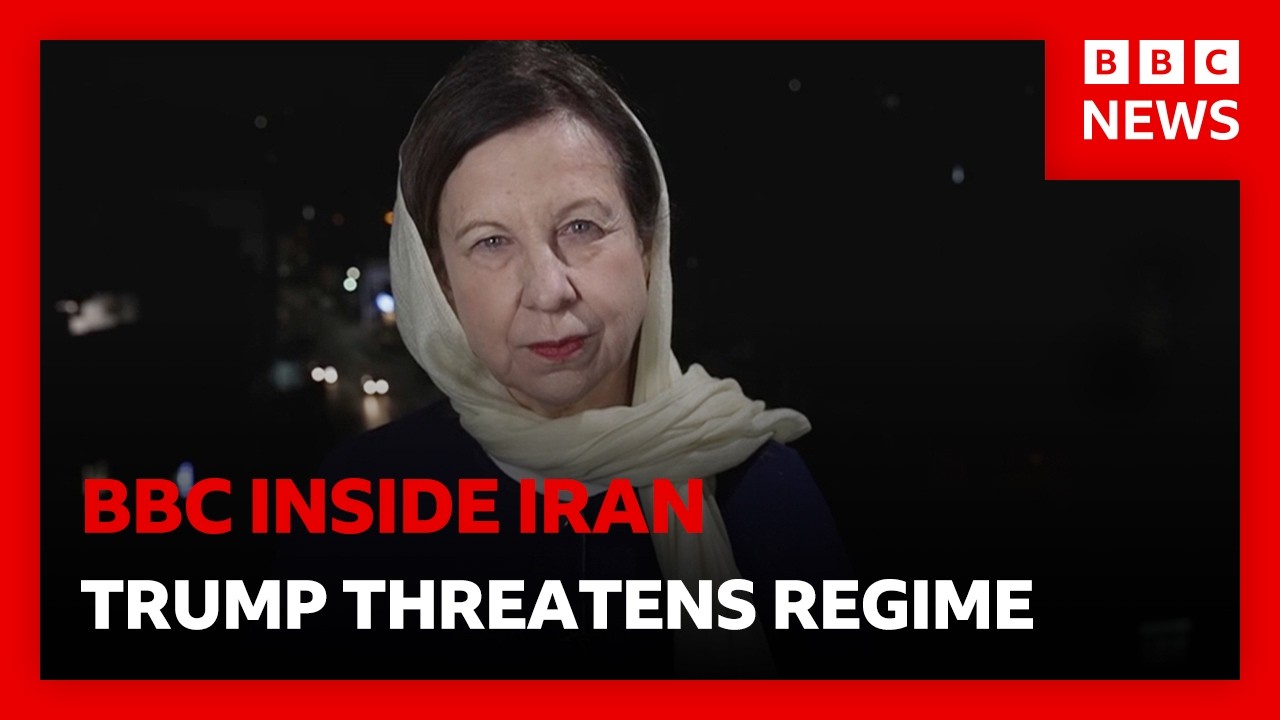
The current environment is fraught with uncertainty and fear, with many Iranians struggling to cope with the aftermath of the protests. Recent reports indicate that an internet blackout has hampered communication and limited the flow of information, exacerbating the challenges faced by reporters and citizens alike. As BBC correspondent Lee Ducet notes, Iranians are desperate for their voices to be heard amid the government’s oppressive tactics.
On the streets of Tehran, a populace caught between anguish and determination finds ways to express their dissent, often met with harsh repression. Civic life has returned to a semblance of normalcy, yet an undercurrent of fear permeates the air. Conversations with residents reveal deep-seated frustrations about unemployment and skyrocketing living costs—issues that fueled earlier protests.
The Iranian government’s recent call for citizens to demonstrate loyalty to the regime is a stark reminder of its fragility. The Supreme Leader’s directive, accompanied by a mass pardon of more than 2,000 prisoners, signals an attempt to project strength at a time when its legitimacy is under scrutiny. However, the exclusion of political prisoners from this amnesty reveals the regime’s unwillingness to genuinely address the concerns of its citizens.
Meanwhile, the international community watches these developments closely. The U.S. has ramped up its military presence in the region, with Trump suggesting the deployment of a second aircraft carrier. This show of force aims to pressure Tehran into negotiations, as Trump believes that previous diplomatic efforts failed due to Iran’s perception that he lacked the resolve for military action.
In Washington, discussions involving Israeli Prime Minister Benjamin Netanyahu further complicate the situation. As Netanyahu visits the White House to discuss Iran, the stakes are high. Israel perceives a nuclear-armed Iran as an existential threat, and Trump’s inclination toward military options only heightens tensions. Diplomacy remains precarious, with Iran advocating for fair discussions centered on nuclear capabilities, while the U.S. appears to hold firm on more stringent demands.
The situation is precarious. The recent military buildup by the U.S. signals a readiness for conflict if diplomacy falters. Iran, for its part, has reiterated its threats, warning of widespread chaos if attacked. Both nations appear trapped in a cycle of escalation, where diplomatic solutions seem increasingly distant.
As the political landscape shifts, the fate of the Iranian populace hangs in the balance. With a government that resorts to violent suppression and an opposition that remains fearful and fractured, the potential for meaningful change seems dim. Simultaneously, the looming threat of an American military response casts a long shadow over the already tense atmosphere.
In conclusion, the ongoing crisis in Iran represents a complex interplay of internal dissent and international pressure. As the U.S. continues to leverage military might as a negotiating tool, the Iranian people endure the brunt of these geopolitical tensions. The world watches, uncertain of what the future holds for this embattled nation, grappling with its internal struggles against a backdrop of external threats. The hope for a peaceful resolution feels increasingly elusive, as both sides remain entrenched in their positions, risking further destabilization in an already volatile region.