The Complex Landscape of U.S.-Iran Relations Post-Obama
In the years following Barack Obama’s presidency, discussions around his foreign policy decisions often pivot to one central controversy: the Syria red line. Obama’s assertion that the United States would respond with military action if Syria deployed chemical weapons is now scrutinized as a significant foreign policy misstep. When chemical attacks occurred, Obama deferred the decision for intervention to Congress, which ultimately chose inaction. Critics, including Donald Trump and then-Senator Marco Rubio, labeled this hesitation a disaster, stating it would inflict generational reputational damage on the United States.
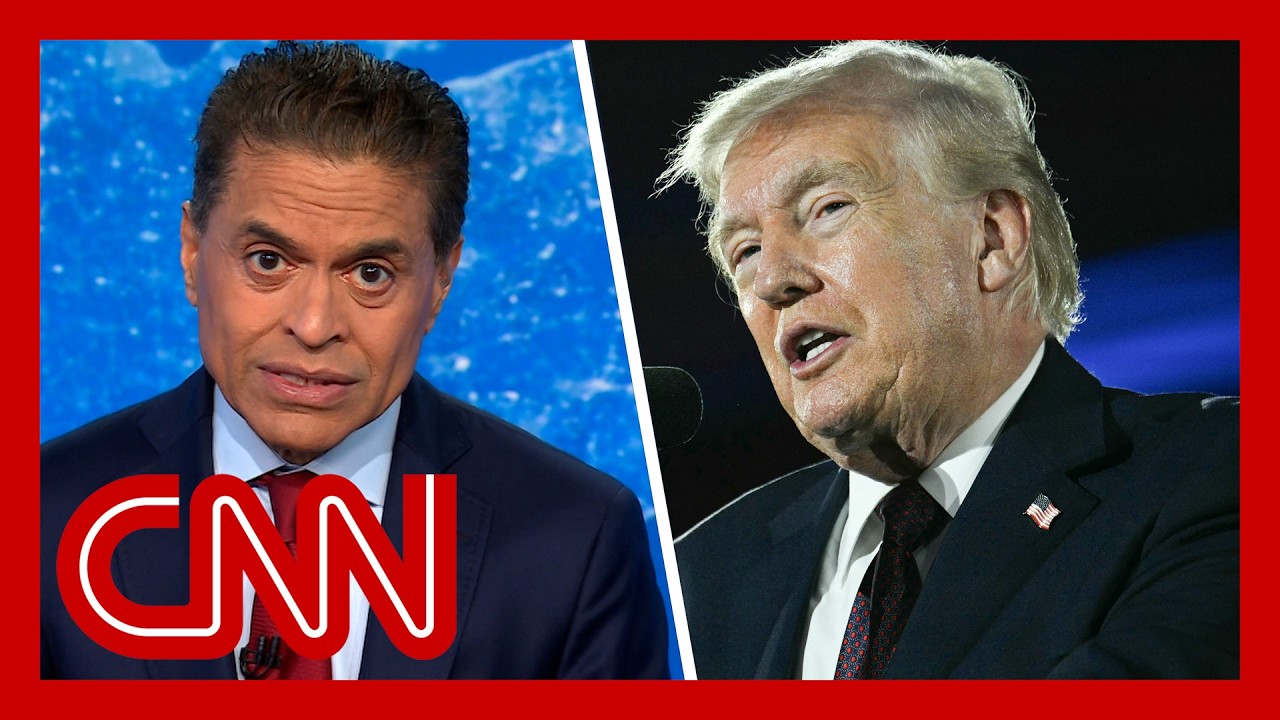
This narrative has been etched into the public’s consciousness as a cautionary tale of indecision. However, such deliberations almost seem cautious in retrospect when juxtaposed with the chaotic approach of the Trump administration, particularly as it relates to Iran. Last week, Trump took to social media, threatening Iran with obliteration of its power plants if it did not open the Strait of Hormuz within 48 hours. Despite this bluster, Iran rebuffed the threat and continued its aggression in the region. Trump’s swift backtrack, delaying military action and claiming fruitful discussions with Iran, highlighted a recurring theme of unpredictability in his administration’s foreign policy.
This paradox of supposed strategic genius versus erratic behavior has left many analysts puzzled. Trump’s statements often lack clarity or consistency; he could assert a 130% tariff on certain goods one day and declare military objectives accomplished the next. Such statements may be designed to keep adversaries off-balance, but they also reflect an underlying inconsistency. This has raised concerns not only among foreign leaders but also within the business community, which has historically criticized Washington for policy uncertainty.
A striking aspect of Trump’s approach is that while he aims to wrap himself in the mantle of "America First," he seems to wield American power in a manner that exploits short-term gains rather than long-standing credibility. Trump’s MAGA supporters, once skeptical of Middle Eastern wars, have adopted a newfound enthusiasm for military intervention, displaying the zeal of converts. While the president publicly advocates for ending hostilities, the reality remains complex; he cannot unilaterally dictate terms to Iran, especially as Tehran calculates that it retains enough military capability to inflict economic damage globally.
As of now, American credibility appears to be in a fragile state. The world watches as Trump navigates crises akin to a reality television star, wielding threats one day and then backpedalling the next. His reluctance to shoulder the burden of protecting key maritime routes like the Strait of Hormuz underscores an unwillingness to engage in a multilateral solution, further complicating U.S. standing on the world stage.
The Trump administration’s recent attempts at diplomacy, including a 15-point peace plan aimed at curtailing Iran’s nuclear ambitions, have failed to gain traction. The crux of the disagreement lies in the issue of uranium enrichment, with the U.S. insisting on a cessation while Iran maintains its right to enrich uranium. This struggle is emblematic of the broader challenges inherent in negotiating with Iran, a nation that refuses to be easily cowed.
Rafael Grossi, Director General of the International Atomic Energy Agency (IAEA), recently illuminated the challenges surrounding Iran’s nuclear program. In discussions about potential compromises, he noted that enrichment is a complicated issue, with historical reluctance from both sides to concede ground. The idea of a temporary moratorium on enrichment could serve as a basis for dialogue, but the feasibility of such agreements remains questionable amid escalating tensions.
Even in the face of significant bombardment, Iran’s ability to regenerate its nuclear capabilities has not been entirely diminished. While military strikes have inflicted damage on facilities, the knowledge and expertise needed for uranium enrichment endure. This fundamental reality presents an ongoing dilemma: can the United States sustain a coherent policy that reconciles its strategic interests with the unpredictable nature of Iranian responses?
As the geopolitical landscape continues to evolve, so too will the strategies and narratives surrounding U.S.-Iran relations. Navigating this intricate terrain will require not only clarity of purpose but also a willingness to engage in genuinely diplomatic efforts. Without this, the risk of fragmentation and further volatility outweigh the prospects for peaceful resolution.