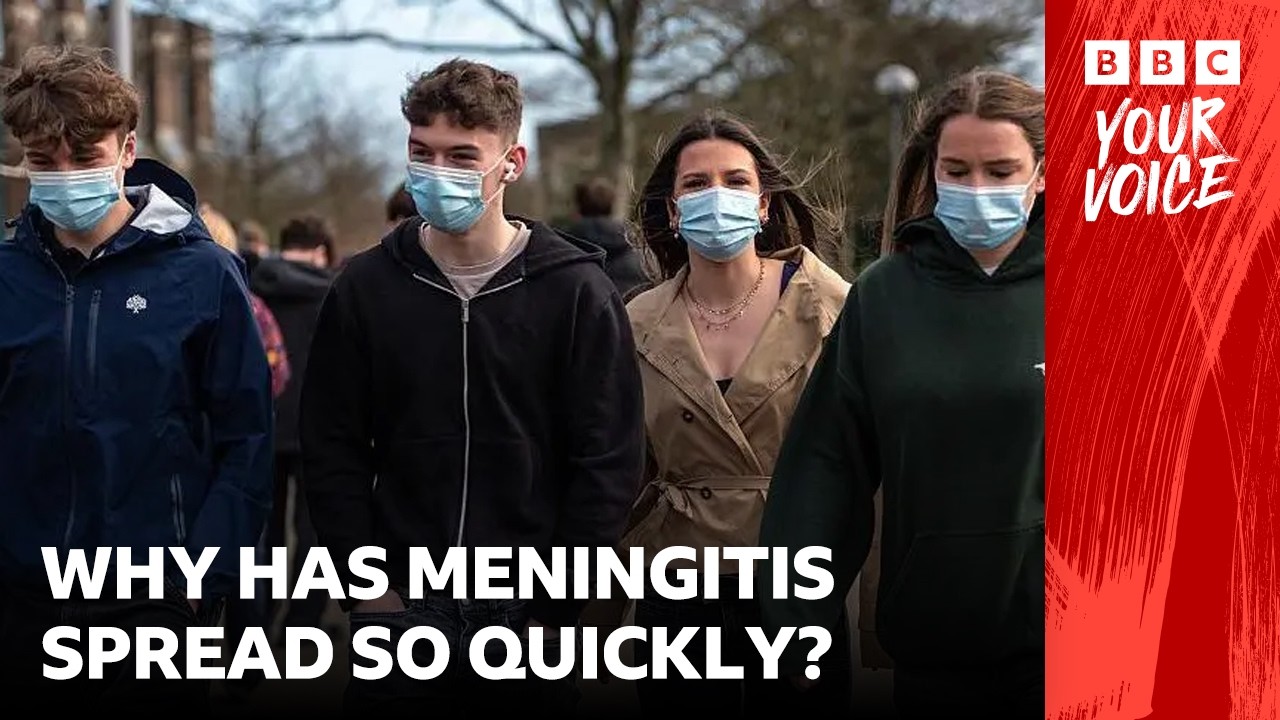
An Overview of the Meningitis Outbreak in Kent
The recent meningitis outbreak in Kent has drawn significant attention, leading to the unfortunate loss of two lives: a 21-year-old university student and a sixth form pupil. Over the next few weeks, public health officials are mobilizing to control the spread while providing vital information to those at risk. The crisis brings to light the complexities of meningitis transmission and the measures required to safeguard vulnerable populations.
As reported by health correspondent Nick Triggle on BBC’s “Your Voice,” as of today, the outbreak has seen 20 confirmed cases, with five new instances reported in the last 24 hours. The University of Kent has initiated a vaccination campaign, offering inoculations to approximately 5,000 students. The UK Health Security Agency (UKHSA) has also issued a public health alert aimed at medical professionals, urging vigilance in case identification and management. This alert is not an indication of a nationwide crisis; rather, it serves to reinforce protocols amidst a localized outbreak.
In a related development, Canterbury University has confirmed two cases within the same group. The interconnectedness between the two universities in the area raises concerns about potential overlapping social environments, which can exacerbate transmission rates.
Transmission of meningitis is closely associated with behaviors that enable bacteria to spread, such as deeply intimate contact and sharing of personal items like drinks or vaping devices. Medical experts, like Professor Paul Hunter, emphasize that meningeal bacteria are typically dormant in the throats of many individuals, with approximately one in ten carriers at any given time. However, the outbreak’s unusual scale—20 cases in under two weeks—poses both unique challenges and serious implications for public health.
Dr. Liz Whitaker, a professor at Imperial College London, provided insights into the protocols for general practitioners regarding the outbreak. While GPs outside the immediate Kent area are advised to maintain standard practices, the need for cautious assessment remains crucial, particularly for young individuals who may present symptoms of meningitis. There is no change in vaccination guidelines for the general public; however, specific protocols are in place for managing potential contacts in the outbreak area.
The conversation naturally shifts to vaccination. While the existing vaccinations primarily target infants and adolescents, concerns arise about older populations who may feel vulnerable during such outbreaks. Current protocols continue to prioritize young children and adolescents, as they represent the demographic most at risk. For those who are older, the likelihood of contracting meningitis B decreases, thus explaining the lack of a broad vaccination strategy for older adults.
The effectiveness of vaccines and antibiotic prophylaxis also merits attention. Antibiotics are remarkably effective against the bacteria responsible for meningitis, and early treatment can significantly reduce severe outcomes. As Dr. Whitaker highlights, common antibiotics like penicillin can clear the bacteria efficiently, emphasizing the importance of immediate medical attention when symptoms—including fever, neck stiffness, and lethargy—are observed.
Despite this outbreak’s alarming nature, experts urge the public not to panic. The overall risk is relatively low, even for those in the wider area. The continual assessment of cases and public health communication remains vital, especially as students prepare to return home for breaks—a period that could see increased mixing across various regions.
The broader implications of this outbreak extend beyond immediate health concerns. As the health secretary considers potential catch-up vaccination programs, the importance of public awareness surrounding meningitis cannot be overstated. Ensuring vaccination uptake across all eligible demographics could play a pivotal role in preventing future outbreaks.
In summary, the meningitis outbreak in Kent serves as a reminder of the complexities associated with contagious diseases. While immediate concerns focus on containment and care, long-term strategies surrounding vaccination and public health education will be essential in reducing vulnerability in future instances. Public discourse, including programs like BBC’s “Your Voice,” is crucial in disseminating reliable information and encouraging a proactive approach to community health.