Tensions Rise Among Iranian Canadians as U.S. President Issues Threats
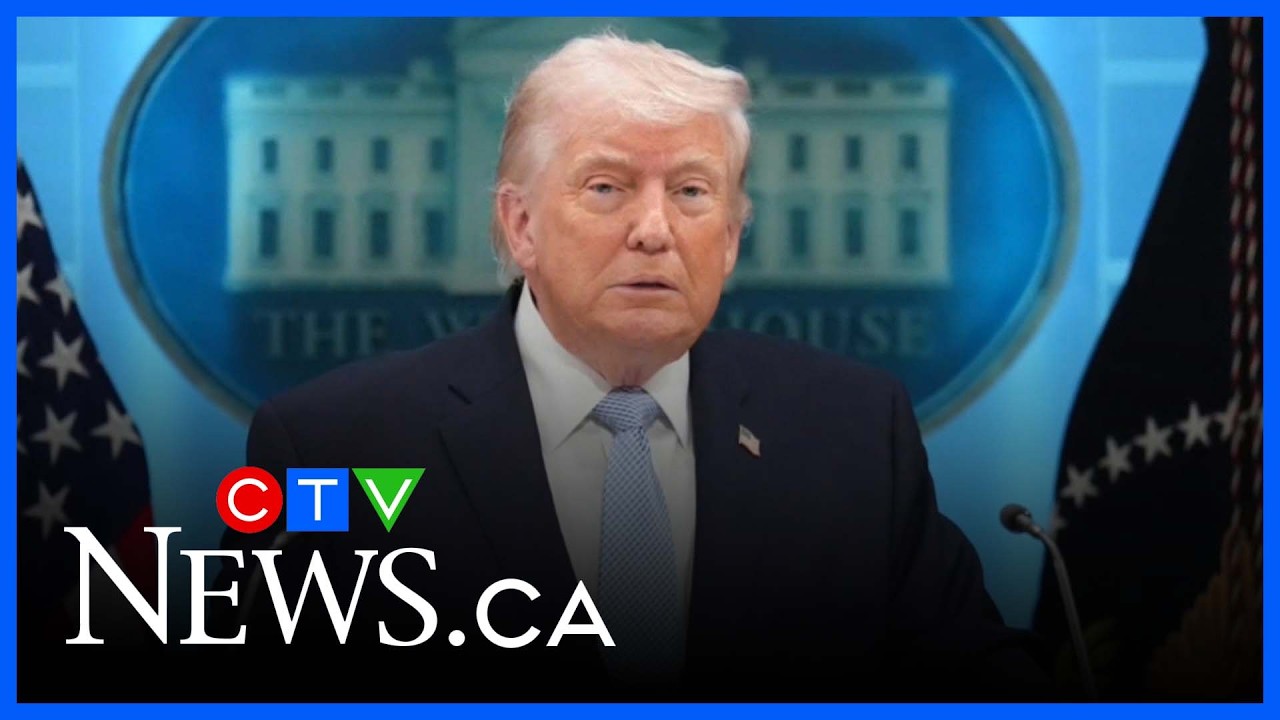
In Toronto, Iranian Canadians are on edge as they grapple with the latest developments regarding U.S. President Donald Trump’s threats directed toward Iran. Their concerns stem not only from geopolitical repercussions but from the personal impact these tensions could have on their families and friends still residing in Iran. As the deadline imposed by the President approaches, anxieties are heightened.
In the neighborhood known as Little Iran, many members of the community have a vested interest in the fate of their homeland. Family ties run deep, and news of the President’s ultimatum is eliciting mixed reactions. Amidst conversations filled with uncertainty, there is a shared hope for regime change in Iran, coupled with apprehension about the potential for military action.
Residents are acutely aware of the consequences of any escalation. Reports of Trump’s declaration that “a whole civilization will die tonight” if Iran does not comply with American demands have been met with disbelief and concern. The dual sentiment among those interviewed is palpable: they yearn for change in their government while fearing the collateral damage that conflict could bring to the civilian population.
Kevin, one community member, expresses both hope and worry. “We are waiting. We’re calling each other, asking if it’s all just a bluff,” he says. “What if he does it? This is my country; of course, I’m concerned.” His thoughts reveal a central dilemma: while many support strong actions against the Iranian government, they also dread the implications for ordinary people caught in the crossfire.
Further complicating the situation is the reality that families in Iran often find themselves cut off from communication. Raman, another resident, describes his frustration at being unable to reach his extended family due to ongoing restrictions on internet connectivity. “I can’t even call or message them. Everything is disconnected,” he laments. The emotional burden of uncertainty casts a long shadow over his daily life.
In their discussions, the notion of military strikes is not taken lightly. While many individuals express support for interventions, they are acutely aware of the humanitarian costs. “It’s bad for my people,” Raman continues. The consensus among the interviews conducted is that the Iranian Revolutionary Guard Corps (IRGC) must be dealt with, but the well-being of the civilian population must be prioritized.
As the hours tick away, the community waits with bated breath. News updates are consumed with an urgency that reflects their lingering fears and hopes. Their anxieties are compounded by images of military forces and volatile geopolitical scenarios that have been all too common in discussions surrounding Iran. Each new headline, each tweet from political leaders, sends ripples through the community, reinforcing their connection to both their homeland and their adopted city.
In conclusion, the Iranian Canadian community in Toronto is facing a critical juncture. As they balance their aspirations for regime change with fears of military engagement, their contentions unveil the complexities of familial ties, national allegiance, and the overarching quest for stability and freedom. The next steps taken by the U.S. government will not just dictate the course of international relations but may profoundly impact the lives of countless individuals on the other side of the globe. With each tick of the clock, the community remains vigilant, anxiously waiting for news that could alter the course of their lives and the lives of loved ones.