Stranded in Dubai: A Canadian Family’s Harrowing Experience Amid Conflict
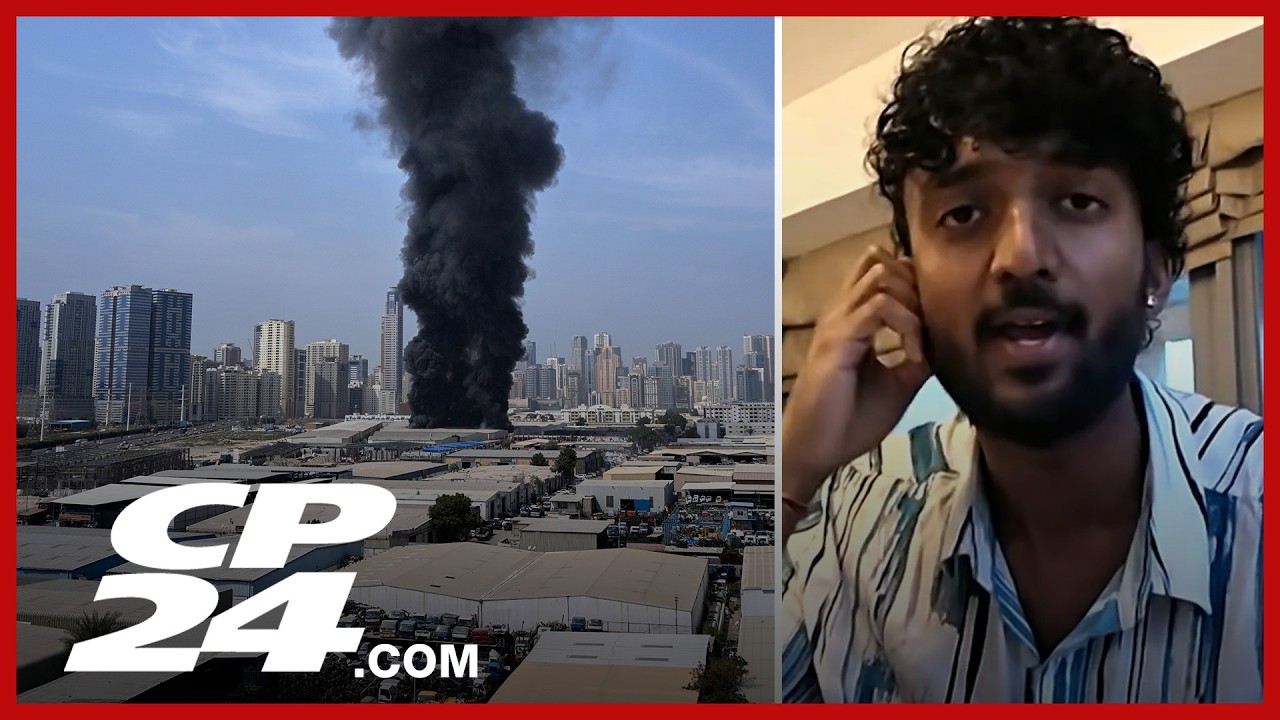
In recent days, turmoil in the Middle East has left numerous Canadians stranded, including Torontonian Devon Ramaturur, who now finds himself in Dubai. Caught in an unexpected escalation of conflict, his experience sheds light on the fragility of safety in a region once perceived as stable.
Devon, along with his family, had planned a leisurely excursion in Dubai, blissfully unaware of the impending chaos. Their departure was scheduled for Saturday, but everything changed when they received alarming news: war had broken out in the region. Immediate efforts to secure an emergency flight to leave that very night were dashed, as their plans were disrupted by continuous flight rescheduling. “It all happened so fast,” he recalls.
The situation escalated dramatically. On the very first day, they received an emergency SMS alert indicating the detection of potentially incoming missiles, instructing them to seek shelter immediately. In a rush, they descended twenty-nine flights of stairs, luggage in tow, their hearts pounding with uncertainty. Reports of over 500 intercepted missiles in the United Arab Emirates, with specific targeting of Dubai, added to the grim atmosphere.
Despite the chaos, Devon attempts to remain calm. "It’s surreal," he says, reflecting on the stark contrast between Dubai’s typically vibrant atmosphere and the present unease. He notes how the city, while not entirely desolate, is noticeably quieter than during their initial days there. People stroll about cautiously, following guidelines to restrict movement to essential travel only.
Devon and his family, while physically safe, feel emotionally adrift in this turmoil. They have reached out to the Canadian embassy for assistance but have yet to receive tangible support. The embassy advised them to register under the Canadian Travelers Abroad system, a bureaucratic step that, while necessary, feels inadequate in the face of immediate danger. The family has not heard further from the embassy, and the uncertainty weighs heavily on them.
“Mentally, we’ve been doing well, but the situation is escalating,” Devon states somberly. The psychological toll of the experience is profound; the notion of safety rapidly evaporates in the wake of imminent threats. While the local defense efforts are appreciated, the fact that missiles have breached the protective measures sends shivers down their spines.
Each day poses the question of how to navigate life in this precarious environment. Devon expresses concern over their preparedness. They have kept essential items packed and ready to go, anticipating further alerts that may require immediate action. Just last night, they had another scare where they heard explosions. Although it later turned out to be intercepted missiles, the immediate rush to the shelter was instinctual—rooted in survival.
Despite the challenges, the family remains together, a source of solace in this bewildering situation. They are acutely aware that, despite Dubai’s reputation as one of the safer cities in the region, peace can shatter in an instant. For those accustomed to a life dictated by comfort and predictability, the experience serves as a jarring reminder of how quickly circumstances can change.
Moving forward, the Ramatururs live in a state of limbo, awaiting a resolution to their predicament. The escalation of conflict compounds their anxiety, with every alert weighing on them heavily. As Devon aptly concludes, “Nothing’s really up to you.” The implications of geopolitical unrest ripple into the lives of ordinary citizens, reminding us all of our vulnerability in the world.
As the family clings to hope for a swift resolution, their story resonates as a poignant reminder of the harsh realities faced by individuals caught in conflicts far from home. Through it all, Devon’s resolve remains steadfast: the desire to return to the safety of Canada, and to share their harrowing experience with those back home.