The Complex Relationship Between Tucker Carlson and Donald Trump
The political landscape in America is inherently complicated, marked by shifting alliances and public allegiances. Few relationships exemplify this dynamic as vividly as that between Tucker Carlson, the prominent conservative commentator, and former President Donald Trump. In recent developments, Carlson has expressed a significant change in perspective—a development that raises questions about his former support and the implications for the broader MAGA movement.
Carlson’s recent commentary suggests deep introspection. "It’s not enough to say I changed my mind," he remarked, indicating that the ramifications of his past endorsements weigh heavily on him. His admission of having misled followers—though unintentional—signals a striking departure from his once steadfast support for Trump. This shift represents a critical moment not only for Carlson but also for the millions who rallied behind Trump during his campaigns.
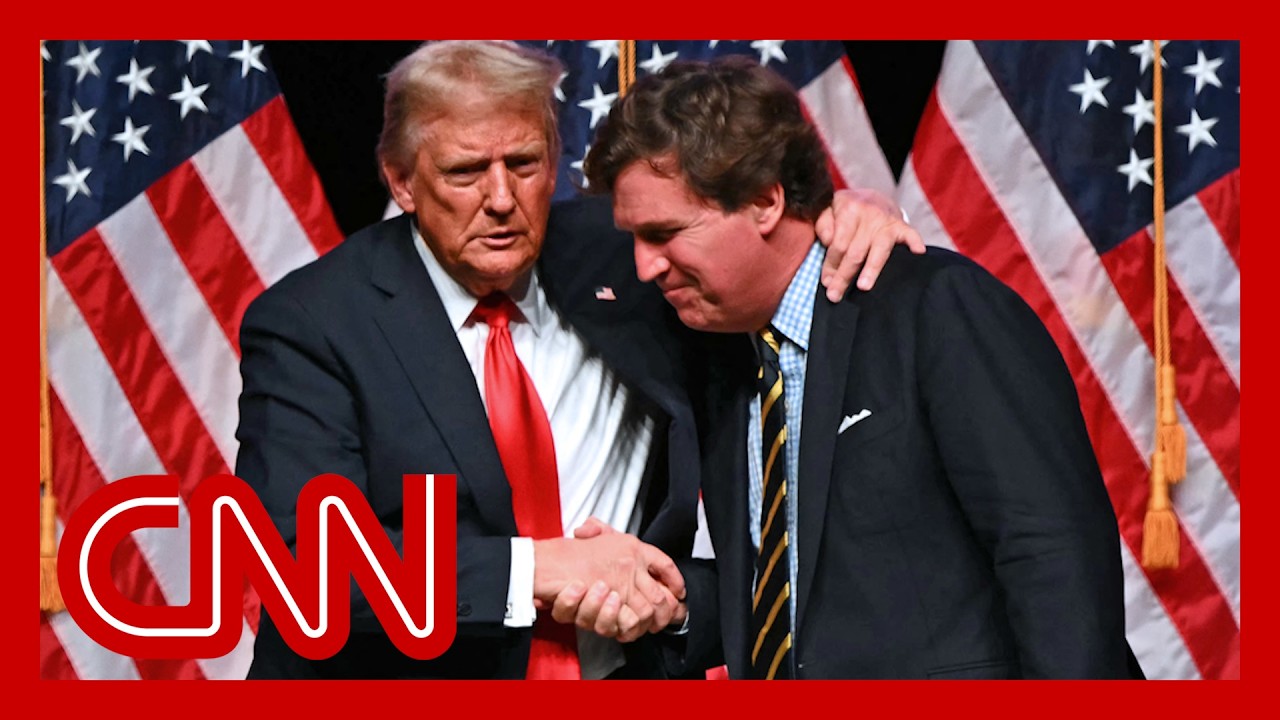
At the Republican National Convention, Carlson was a vocal supporter, delivering an impassioned speech that championed Trump as the optimal candidate for voters across America. His influence was significant, as he maintained a substantial media presence, bolstering Trump’s appeal, particularly among Republican voters. Yet, this recent apology raises questions about what it means for those who once viewed Carlson as a reliable conservative voice.
The tension in Carlson’s relationship with Trump has been palpable. He has fluctuated between expressing support for the former president and critiquing his policies or decisions. For example, his past criticisms in text messages, revealed during the Dominion defamation lawsuit, paint a picture of a man wrestling with his loyalties. "I hate him passionately," Carlson conveyed in a text, an admission that starkly contrasts with his public persona during Trump’s presidency.
Many speculate about the motivations behind Carlson’s current sentiment. Could it be a sincere reflection of his conscience? Or is it a strategic move, intended to distance himself from a controversial figure amidst growing discontent among younger Republican voters? The latter seems plausible, particularly as the electorate becomes increasingly fatigued by endless conflicts, such as the ongoing war affecting U.S. foreign policy. Younger voters, shaped by the trauma of past military engagements, are questioning decisions that seem to echo previous missteps.
Critics argue that Carlson’s attempts to rewrite history are disingenuous. Having previously played a crucial role in propelling Trump to victory, it appears contradictory for Carlson to now adopt a stance of remorse. The swift pivot raises eyebrows, with some commentators labeling it as an opportunistic move rather than a genuine transformation. By attempting to distance himself from Trump’s controversial legacy, Carlson may be signaling to voters that he is still aligned with their values—even as he grapples with the fallout from his past endorsements.
While Carlson’s reflections on his relationship with Trump are noteworthy, they also highlight deeper issues within the Republican coalition. As frustration grows regarding foreign policy and domestic matters like poverty and housing, political analysts suggest the erosion of Trump’s stronghold could be significant. Persistent dissatisfaction with the current administration’s handling of key issues, including the economy and international conflicts, places pressure on all Republicans, including Trump.
Moreover, Carlson’s connection with Trump remains tenuous—merely a few weeks ago, they appeared together at a White House event. Such instances raise questions not only about the authenticity of Carlson’s sentiments but also about the fluctuating nature of political alliances.
In conclusion, the evolving narrative surrounding Tucker Carlson and Donald Trump reflects a broader uncertainty within the Republican Party. Carlson’s recent reflections and apologies may resonate with some disillusioned voters, but they have also sparked skepticism. As the political landscape continues to shift, the challenge for Carlson and Trump lies in navigating their relationship without alienating those they once swayed. The complexities of their alliance and the divergent paths they may take will undoubtedly influence the future of American conservatism. The quest for reconciliation—or further division—remains a pivotal question as the electoral landscape shifts in the lead-up to the next election.