Current Dynamics of US-Iran Relations Amid Global Turbulence
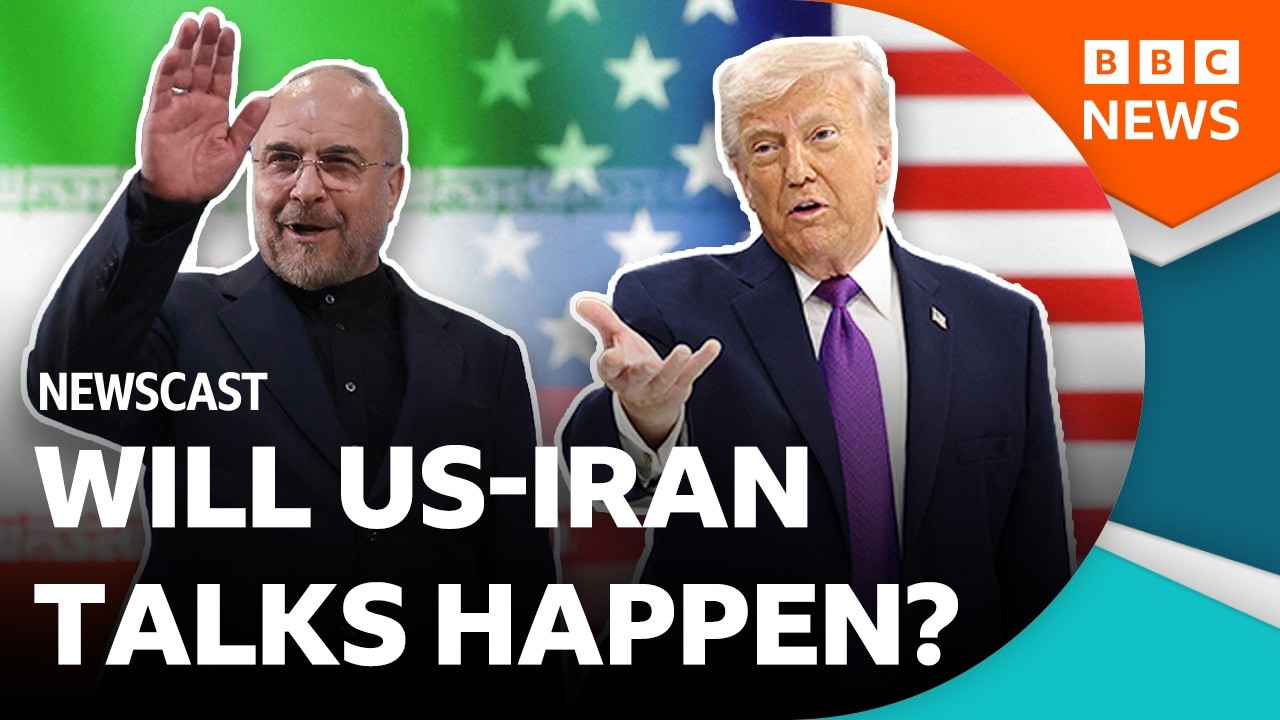
The relationship between the United States and Iran remains a focal point of international diplomacy, particularly in light of escalating tensions stemming from the ongoing conflict in the Middle East. Recent discussions have underscored a complex backdrop characterized by both strained communications and political maneuvering. This article delves into the current state of these negotiations, the challenges faced by journalists on the ground, and broader implications for global stability.
Communications Turning Complex
In the latest assessments of diplomacy between the U.S. and Iran, there is significant ambiguity regarding the term "negotiations." While some U.S. officials refer to ongoing dialogues, experts, including political analysts, suggest there is a lack of tangible progress. President Trump’s recent declarations that "strong talks" are underway have prompted skepticism. His statements often serve dual purposes: attempting to stabilize market conditions and projecting an image of control in a crisis situation.
Lee Duset, a political analyst, articulates a critical perspective on the situation, asserting that, despite claims of diplomacy, trust is nebulous. Both parties have attempted negotiations in the past, only to have those discussions thwarted by renewed conflicts. There appears to be a stark contrast between official rhetoric and the realities on the ground, where trust has deteriorated significantly.
Challenges in Reporting
The role of media in this evolving landscape cannot be understated. Parham Goadi, a senior reporter for BBC Persian, offers insight into the dire conditions journalists face in Iran. Internet blackouts and governmental crackdowns make it increasingly difficult to obtain reliable information from the ground. Journalists rely on various channels, including encrypted messaging services, to gather reports from within the country. However, the risk is high, as individuals sharing information face the threat of arrest.
Goadi explains that sources, once reliable, are rapidly diminishing. The Iranian government has launched a new wave of digital crackdowns, fearing that communication with foreign outlets jeopardizes its authority. This atmosphere of censorship exacerbates the complexities of reporting in a conflict characterized by rapidly changing narratives.
A Shift in Geopolitical Strategy
Amid these intricate dynamics, attention turns to the broader implications of ongoing U.S.-Iran relations. According to Duset, a dual-window approach to diplomacy has emerged. While one channel involves the Iranian Foreign Minister engaging with U.S. officials, the second consists of indirect conversations through third-party nations like Pakistan and Turkey.
These communications are complicated by Iran’s strategic posture, which has shifted to one of leverage. Goadi notes that Iran’s military engagements, particularly concerning the Strait of Hormuz, have provided it with a degree of tactical maneuverability, allowing for a narrative of resilience despite international pressure. Iran’s ability to influence global oil markets serves as a reminder of the intertwined nature of military capabilities and economic power.
Economic Ramifications
The implications of the U.S.-Iran dialogue extend into economic realms. Rachel Reeves, the Chancellor, recently addressed potential economic support measures in light of market instability caused by the conflict. Her statements reflect an awareness of both domestic and international economic pressures while attempting to project a sense of fiscal responsibility.
As energy prices surge and consumer concerns mount, there is an acute focus on how governments will manage the fallout. Future energy bills for households are a particular concern, evoking memories of past crises. The challenging task of balancing public expectations with the realities of effective governance remains at the forefront of political discourse.
Conclusion
The current state of U.S.-Iran negotiations is emblematic of larger global challenges that juxtapose national security, economic stability, and journalistic integrity. As both nations navigate complexities characterized by mistrust and geopolitical maneuvering, the stakes are high. The intertwining narratives of military might, economic leverage, and the role of the media in reporting these events underscore the need for a nuanced understanding of international relations. The coming weeks will be critical, not only for U.S.-Iran dynamics but for geopolitical stability across the world.