The Landmark Case Shaping the Future of Social Media Regulation
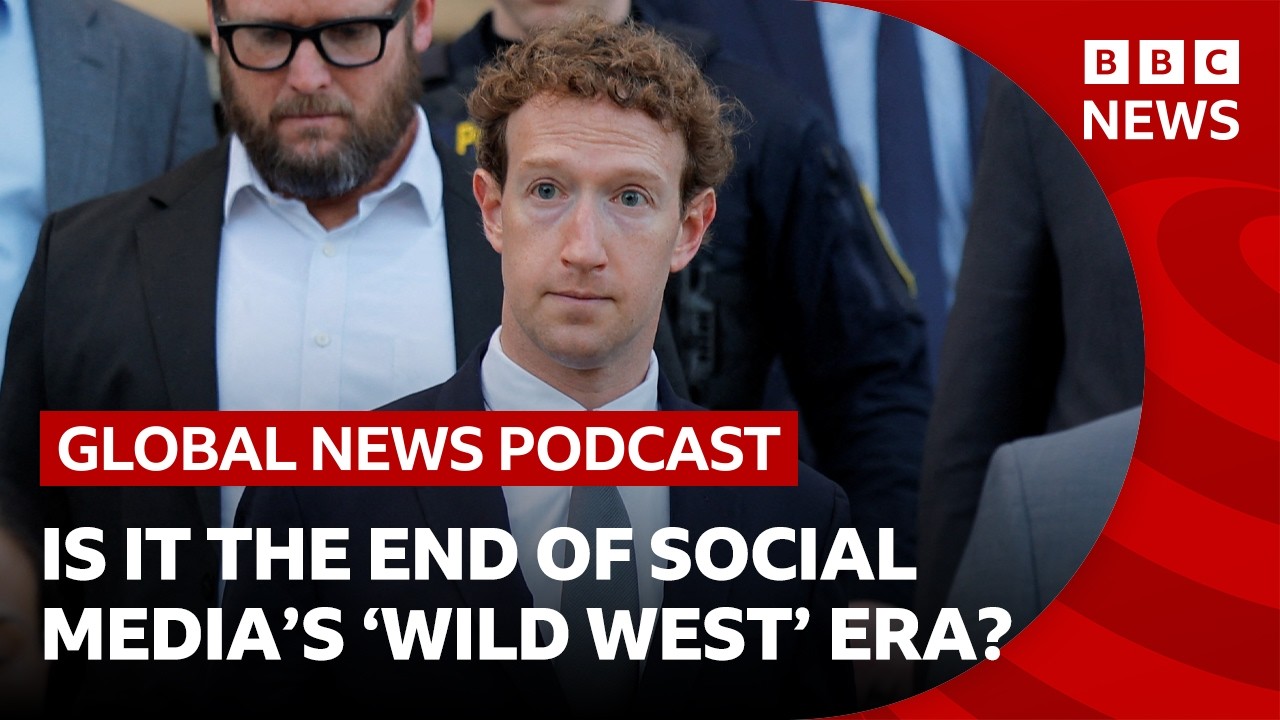
In a significant legal development, a jury in the United States has ruled in favor of a 20-year-old woman, known only as Kaylee, whose mental health struggles were linked to her extensive social media use. This case, described as a landmark moment, challenges the long-held practice of social media companies operating with minimal accountability. For the first time, courts are directly holding these platforms responsible for their design practices, which exacerbate vulnerabilities among young users.
Kaylee’s journey began at the tender age of six when she first encountered YouTube. By nine, she had become active on Instagram. A few years later, her daily usage skyrocketed to an astonishing 16 hours. Her story reveals the darker side of social media, where addiction intertwines with mental health issues. Kaylee has reported suffering from depression, body dysmorphia, and suicidal thoughts, attributing these challenges to her experiences online. In a notable twist, while the tech companies argue that her mental health struggles stemmed from a difficult childhood, the jury’s findings challenge this narrative, emphasizing the engineered strategies employed by these platforms to maximize user engagement.
The implications of this verdict are far-reaching. Zoe Kleinman, the BBC’s technology editor, emphasized the game-changing nature of this case, suggesting that it may signal an end to the era of impunity previously enjoyed by tech giants. Social media companies have long portrayed their products as user-friendly and entertaining, carefully deflecting discussions about addictive design. However, this ruling marks a pivotal shift, establishing that these platforms intentionally incorporate features aimed at maximizing user retention, especially among young audiences.
This legal verdict could catalyze regulatory changes on both national and international levels. Already, some countries have begun to reconsider age restrictions on social media. Australia has taken decisive steps to ban social media use for children under 16, while countries like the UK and Greece are exploring similar measures. Such developments may soon become more than isolated incidents; they may signal a broader trend toward child protection online.
As the legal groundwork shifts, questions arise about potential changes in the design of social media platforms. Features like infinite scrolling, autoplay videos, and algorithmic recommendations may face scrutiny. Tech companies often argue these tools enhance user experience. However, if faced with legal mandates to redesign their platforms, the essence of social networking could dramatically change. A transition to less engaging, less immersive environments might follow, potentially leading to a decline in overall user participation.
Central to this discussion is Section 230, a U.S. law that currently shields tech companies from liability for user-generated content. This clause has allowed platforms to thrive with minimal accountability. However, as the landscape shifts, calls are growing for an overhaul of this protection. If companies were legally compelled to take responsibility for the content hosted on their platforms, the operational framework of social media could be forced to change fundamentally.
Experts suggest that this is merely the beginning. Other lawsuits are already lined up, reflecting the heightened scrutiny of social media practices. With ongoing legal battles, there is potential for further judicial reappraisal of tech company policies and designs. As awareness grows around the potential harms of social media experiences, companies may find themselves compelled to self-regulate to mitigate risks and fend off lawsuits.
Regulatory efforts could also gain momentum globally, where governments hold the power to implement stricter guidelines. In the wake of this case, the narrative surrounding social media and its impact on younger users is shifting. It raises questions not only about age verification and online safety but also about the moral responsibilities of tech companies. With mounting evidence pointing to mental health challenges stemming from social media, a paradigm shift regarding the presence of children online may be imminent.
In summary, the ruling in Kaylee’s case signifies a turning point. Social media companies can no longer operate under a guise of unchecked freedom. As this discourse evolves, society must confront critical questions about the influence of technology on our youth and how to ensure a safer digital landscape. The future of social media regulation is not merely about compliance but about redefining the digital experience for generations to come.