The Shifting Landscape of Redistricting: What’s at Stake for the GOP
The political landscape in the United States is undergoing a significant transformation, particularly concerning redistricting. Virginia and Florida have emerged as critical battlegrounds in a contentious process initiated by the Republican Party in Texas last year. This effort was meant to reshape congressional districts in favor of Republicans, driven largely by the demands of former President Donald Trump. However, as the political tides shift, there are emerging concerns over whether this strategy will yield the intended results.
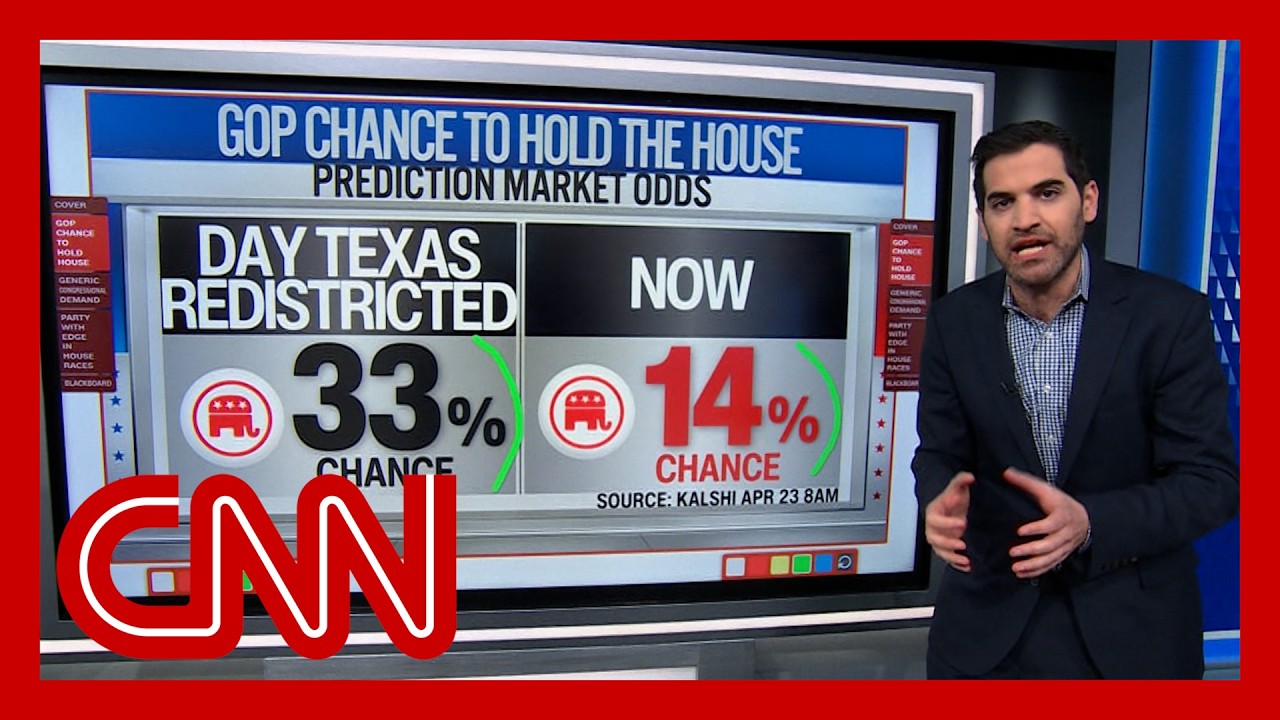
Redistricting typically occurs every ten years following the census, and it serves as an opportunity for parties to influence electoral outcomes. In Texas, the redistricting process began with great optimism for the GOP, suggesting a strong chance of maintaining control of the House of Representatives. Initially, projections assigned a 33% chance for Republicans to hold onto their seats after Texas redistricted. However, recent data reveals a drastic drop to just 14%. This alarming decline suggests that the very strategy designed to fortify their position may have backfired.
The national political environment significantly influences these local outcomes. Historically, a shift in public sentiment during midterms can lead to substantial losses for parties in power. Current indicators suggest a favorable shift for the Democratic Party, reflected in a six-point lead in generic congressional ballots—two points higher than when Texas redistricting commenced. This demonstrates a crucial reality: redistricting can only manipulate so many seats; when public sentiment swings drastically, even the most skillful gerrymandering may falter.
Examining the individual congressional seats reveals an even grimmer picture for the GOP. Where Republicans once held an edge in potential seat pickups, Democratic prospects now show a net gain of 12 seats, marking a significant twenty-seat shift. The ability of Democrats to capitalize on changing demographics and public opinion makes it clear that redistricting impacts are intertwined with broader national trends.
In the midst of this redistricting turmoil, Virginia’s situation warrants attention. After voters approved changes, a judge has temporarily halted the implementation, creating uncertainty. Should this decision play a pivotal role in upcoming elections, Democrats might squander an opportunity to strengthen their hold on the House.
As the landscape evolves, Florida has emerged as a crucial focus for Republicans. The state currently occupies a unique position, housing eight Democratic-held House seats versus 20 for the GOP. While redistricting efforts in Florida are expected to play a critical role, the anticipated gains are modest—potentially yielding only a net two additional seats for Republicans. This stands in stark contrast to earlier expectations of broader Republican gains stemming from Texas’s initiatives.
The political drama is neither straightforward nor devoid of friction among party members. Even within the GOP, there are concerns regarding how redistricting might impact incumbents. Potential uncertainties loom over the new maps, which could inadvertently put Republican incumbents at risk rather than securing their positions. Many Republicans are skeptical about their constituencies being realigned to incorporate more swing districts while still ensuring their own electoral safety.
Adding to the complexity is the growing rift between key Republican figures, such as Governor Ron DeSantis and former President Trump. The dynamics suggest a creeping tension that may further complicate the party’s quest for survival during upcoming elections. DeSantis, whose relationship with Trump has fluctuated from ally to rival, may prove pivotal in how Florida approaches redistricting.
In conclusion, the landscape of redistricting is as fraught as it is dynamic. The efforts that initially appeared promising for Republican incumbents have begun to unravel, reflecting broader shifts in voter sentiment and political alignment. With the midterms looming, both parties must navigate these waters carefully. The outcomes could define the power dynamics in Congress for years to come. As the saying goes, "everyone has a plan until they get punched in the face," and for the GOP, it appears the punch may have already landed.