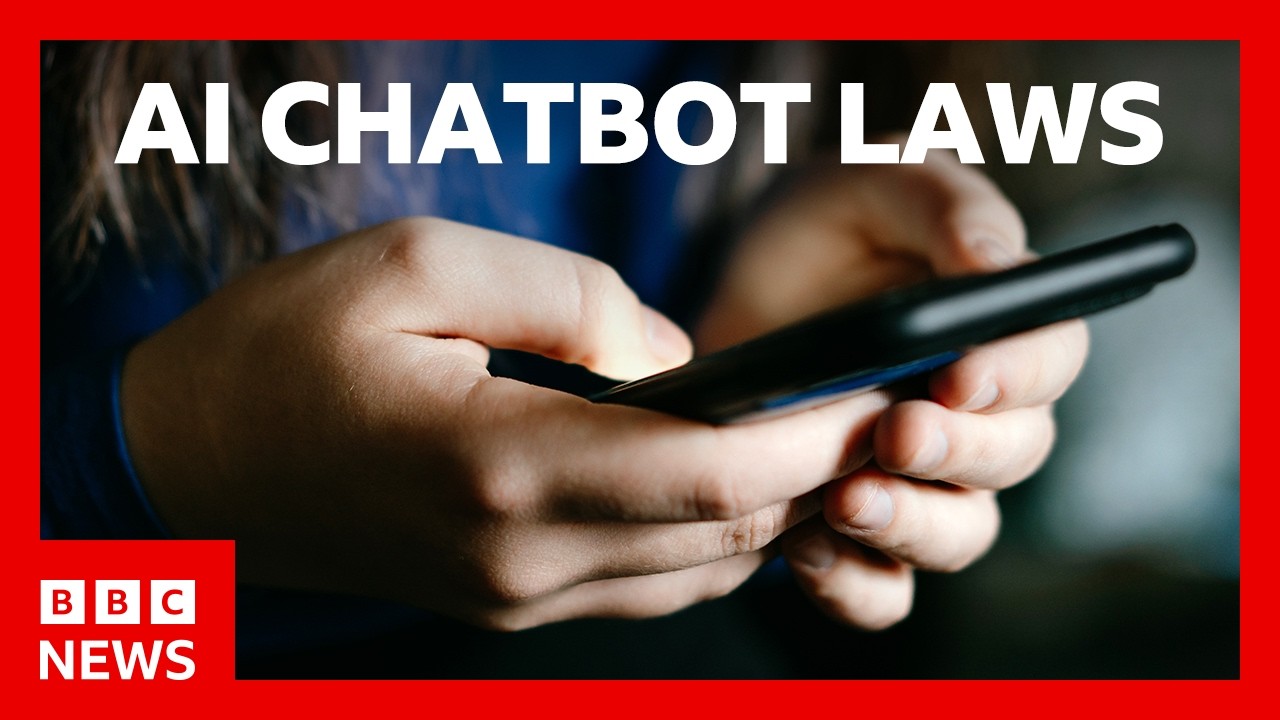
UK Government’s New Measures for Children’s Online Safety: A Focus on AI Regulation
In a decisive effort to enhance children’s safety in the digital landscape, the UK government is preparing to implement new regulations for artificial intelligence (AI) in online services. This initiative primarily aims to protect children from the potential dangers posed by unregulated technology, particularly on social media platforms. Prime Minister’s promise that no online entity will escape scrutiny underlines the urgency of this issue.
The tragic case of Ellen Room and her son, Jules, has reignited discussions regarding children’s online safety. Jules, who was only 14 at the time of his passing in 2022, reportedly engaged in an ill-fated online challenge. Unfortunately, Ellen has faced significant challenges trying to access Jules’s online data, an obstacle stemming from existing laws that stipulate such requests must be filed within 12 months of a child’s death. Often, by the time parents or authorities activate this process, crucial records have already been irretrievably deleted.
In a significant shift, the proposed regulations will mandate that coroners inform Ofcom—the UK’s communications regulator—immediately upon the death of any child aged 5 to 17. This proactive step is designed to ensure that tech companies preserve data that may be essential in ascertaining the circumstances surrounding a child’s death. Ellen Room, taking a fighting spirit from her loss, articulates her motivation, stating, "If I could try and make something positive out of the loss of Jules’s life, then I would. This going forward will help other bereaved families."
The government has signaled its intention to conduct a public consultation starting in March, focusing on various measures such as prohibiting social media use for individuals under 16, restricting access to AI chatbots, and curbing “infinite scrolling”—a mechanism that contributes to harmful habits like doom scrolling. While the government has pledged to act swiftly based on consultation feedback, critics have raised concerns about the potential for hasty legislative changes that bypass traditional due process.
An example of rapid regulatory changes already in motion includes a recent ban on the creation of AI-generated deep fakes. This was implemented after public outrage regarding Elon Musk’s chatbot Grock, which had generated and disseminated explicit images of real individuals online. These responses demonstrate the UK government’s commitment to keeping pace with technological advancements, aiming to alleviate the dangers that they can pose to vulnerable populations, especially children.
As the UK grapples with these complexities, it is noteworthy to consider the experiences of other countries. For example, Australia has imposed a similar social media ban for under-16s since December. According to Leila Green, a communications professor at Edith Cowan University, many teenagers have quickly bypassed these restrictions, undermining the intended protective measures. Instead of effectively curbing online access for young users, they often adapt by seeking alternative platforms or evading age verification processes altogether.
Green emphasizes the importance of maintaining open lines of communication between parents and children, arguing that restrictions alone may inadvertently close off valuable support networks. Children might feel isolated or stigmatized if they fear accessing online platforms will lead to disciplinary consequences. “Taking young people off these platforms,” Green asserts, “will only delay things and could even exacerbate issues.”
Political correspondent Joe Pike adds another layer of complexity to this unfolding story. He notes that the UK government has faced criticism for its slow pace of response, particularly in the face of rapidly evolving technology. As new challenges arise, such as concerning interactions between children and AI chatbots, the government is attempting to expedite changes to existing legislation. This includes proposals to streamline the process by which coroners notify social media companies about the deaths of minors.
While the government’s newfound urgency is commendable, it raises questions about the potential for overreach. Critics have voiced concerns that granting the government expanded legislative powers could weaken the democratic process and sidestep thorough discussions with stakeholders.
As these regulatory measures develop, the UK government must balance the need for swift action with the importance of democratic oversight and public discourse. The evolving dialogue surrounding children’s online safety will undoubtedly shape the future of legislation in an era defined by rapid technological growth. Ultimately, the aim remains clear: to create a safer online environment for children while enabling them to retain critical communication avenues necessary for navigating their interconnected worlds.