Tensions in the Strait of Hormuz: A Closer Look at Recent Iranian Naval Activity
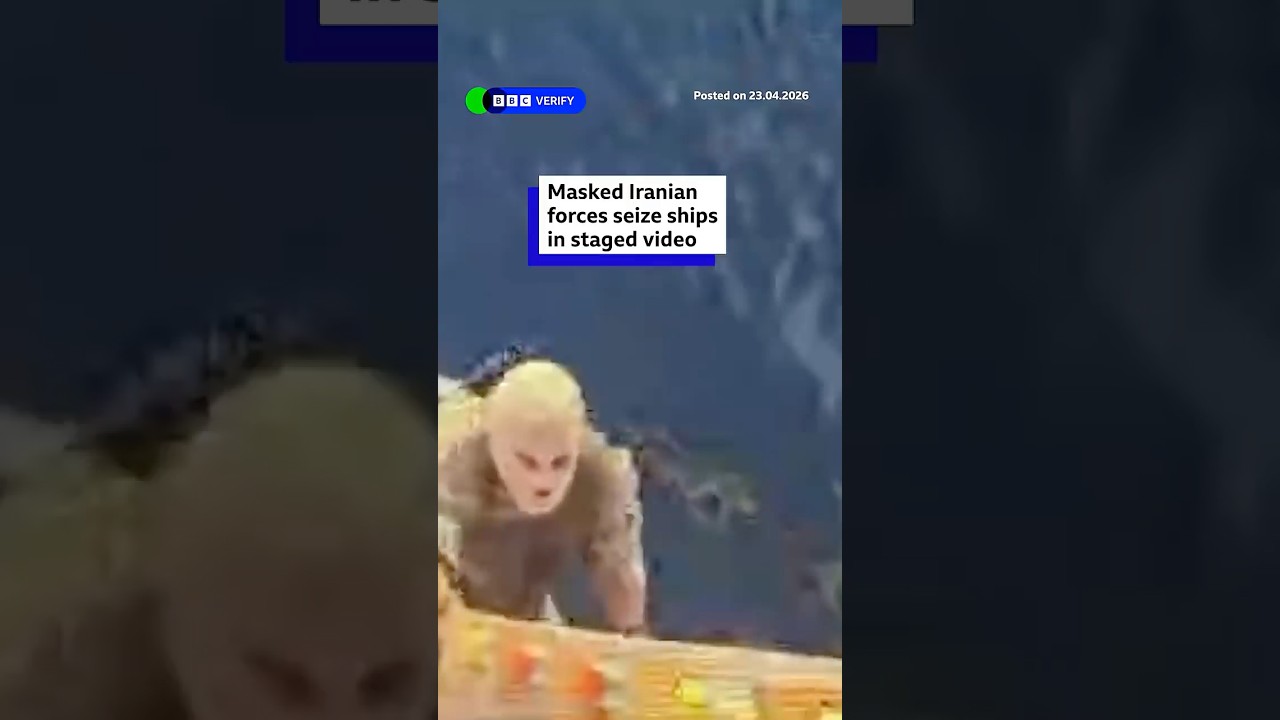
Recent events in the Strait of Hormuz have spotlighted escalating tensions in the region, particularly concerning Iranian naval maneuvers. A video released by Iranian state media has shown masked armed personnel boarding two cargo ships, the MSC Francesca and the Pamounondas. However, the authenticity of this footage raises questions.
The clip depicts individuals in military attire rapidly approaching the ships in speedboats. While it purports to capture an incident from Wednesday morning, analytical scrutiny indicates that portions of the video may have been staged. A closer examination reveals discrepancies such as the angle of sunlight and tracking data, suggesting that some scenes were filmed significantly later, perhaps over eight hours after the reported attack. Observers noted that when the armed men climbed through a hatch on the ship, it appeared to already be ajar, indicating prior access.
The situation regarding the Pamounondas remains murky. Greek authorities have publicly refuted claims that the ship had been seized, asserting that the captain retains control. However, both vessel operators have ceased sharing their geographic location, complicating situational awareness regarding their current whereabouts.
Adding to the complexity of the situation are satellite images circulating online. These images purportedly show a fleet of small boats in the Strait of Hormuz. Social media commentators have speculated that these could be Iranian vessels laying sea mines. However, experts from the BBC have countered these claims, clarifying that the images resemble others captured in the past, dating back to 2024 and 2025. They suggest that the boats could simply be Iranian fishing vessels or smugglers navigating the waters from Oman.
The implications of these events resonate far beyond the Strait itself. The region is a pivotal maritime corridor, responsible for a significant percentage of the world’s oil shipments. The Strait’s narrow passage makes it a critical chokepoint for global trade. Any hint of military escalation here could have extensive repercussions for international trade and energy markets.
The Persian Gulf has a history of tumultuous relations and high-stakes maritime confrontations. While Iran asserts its right to operate within these waters, its aggressive posturing raises alarms among neighboring countries and global powers alike. The United States has consistently maintained naval presence in this region, aiming to deter hostile actions that could destabilize the flow of commerce.
In evaluating the current narrative around the Iran-initiated boarding of the cargo ships, it’s essential to consider the information, or lack thereof, being disseminated. The absence of transparency can foster misinformation, clouding public perception and response. Therefore, further verification and independent analysis are needed to comprehend the true nature of these incidents.
Additionally, the geopolitical context cannot be overlooked. In the face of sanctions and international isolation, Iran’s behavior may serve multiple purposes: demonstrating military capability, asserting sovereignty over contentious maritime territories, and diverting attention from internal challenges. Each of these elements has a role in shaping Iran’s strategic choices in the region.
The culmination of these actions presents a challenging puzzle for policymakers and analysts. The contrast between staged narratives and on-the-ground realities complicates responses on both national and international levels. In an era defined by rapid communication and instantaneous information sharing, the impacts of misunderstood or misrepresented events can be profound, influencing diplomatic relations and military readiness.
The unfolding scenario in the Strait of Hormuz serves as a reminder that maritime security remains a fluid and dynamic issue. The interplay of national interests, military actions, and economic implications must be navigated carefully to avert potential crises. As the situation evolves, the international community watches closely, hoping for a resolution that promotes stability in this crucial maritime theater.