Strategic Developments in US-Iran Relations: A Delayed Response Amid Ongoing Conflict
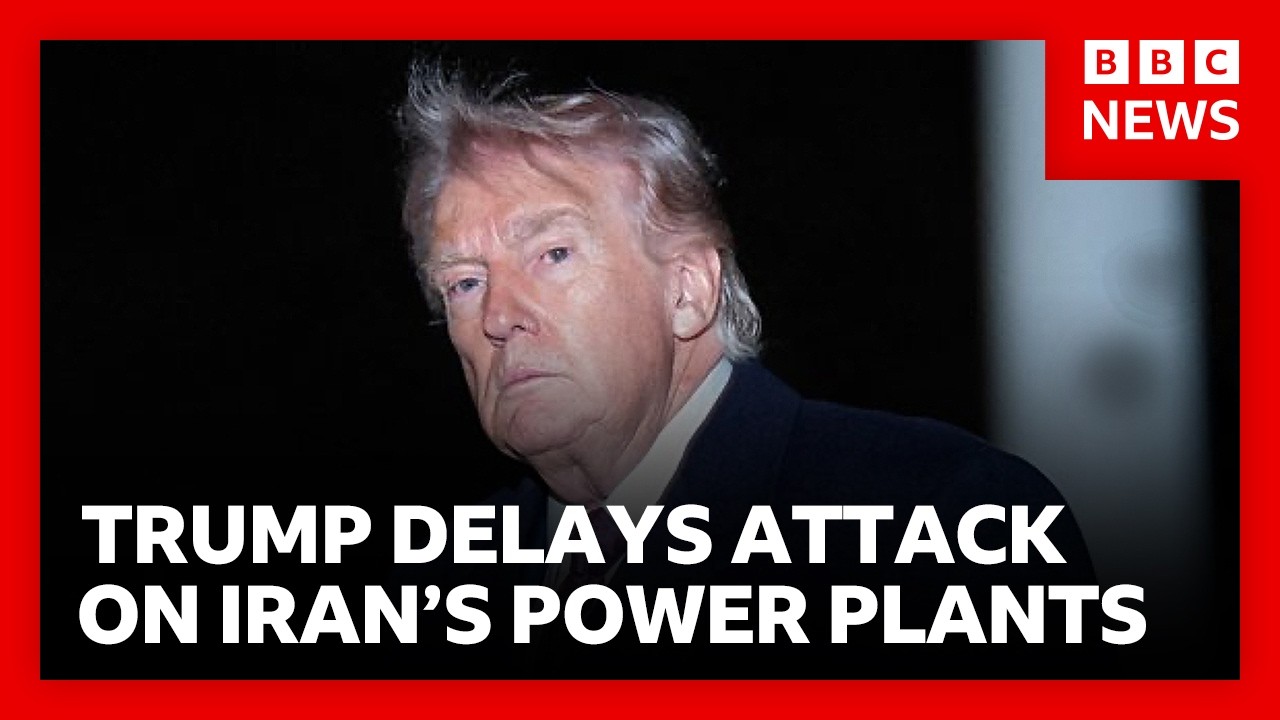
On a significant day in international relations, President Donald Trump announced a critical extension of the pause on military action against Iran’s energy infrastructure. Initially set for a mere five days, this extension gives both parties until April 6 to navigate ongoing discussions concerning the conflict that has embroiled the region for nearly a month. This pause is a strategic maneuver amidst a backdrop of fluctuating stock markets and rising oil prices, reflecting investors’ unease over the protracted nature of the conflict and its economic implications.
Recent press coverage highlights a juxtaposition between diplomatic overtures and military actions. While there has been considerable dialogue about peace negotiations—many characterized as backchannel discussions—the specifics of any potential agreement remain largely ambiguous. Trump asserted that Iran’s leadership is keen to broker a deal, claiming, “They’re begging for a deal,” but the Iranian government has maintained a stance of defiance against U.S. demands. This persistent resilience, coupled with continued military operations, complicates any narrative of imminent resolution.
The announcement of the 10-day extension appears to be both a tactical retreat and a call for further diplomacy. As Trump clarified in a recent social media post, this decision was made "as per Iranian government request," hinting at a willingness from Iran to engage in dialogue. Yet, the lack of concrete details surrounding the terms of the negotiations raises questions about the sincerity and potential success of these discussions. Critics speculate that the fluctuating deadlines set by Trump—initially a 48-hour ultimatum, then five days, now ten—may undermine international confidence in U.S. resolve and credibility.
Market reactions to the announcement reflect heightened anxiety among investors. Many view the fluctuating prices of Brent crude oil and stock indices as indicators of the ongoing instability. Fisel Islam, an economic analyst, emphasizes that the uncertainty surrounding government policies and military actions impacts various sectors, leading to near-universal apprehension. Investors are trying to anticipate the implications of U.S. military strategy against Iran, and there is an overarching uncertainty regarding the potential for de-escalation or further escalation of hostilities.
The geopolitical ramifications of the conflict extend beyond U.S.-Iran relations. Israel, often viewed as a key ally in the region, has been directly affected by Iranian responses. Prime Minister Benjamin Netanyahu faces the difficult task of aligning Israel’s strategic aims with those of the U.S., adding another layer of complexity to the situation.
Trump’s administration is also grappling with a multifaceted diplomatic landscape. Reports suggest that Islamabad may play a central role in mediating discussions between Washington and Tehran. However, the U.S. president’s recent comments about NATO allies, including his dismissal of the UK’s military contributions, reflect a broader skepticism about the reliability of international partners in crisis management.
As the war drags on, the impact on global markets and diplomatic norms cannot be understated. James Landel, a diplomatic correspondent, notes that the current climate requires a cautious interpretation of developments. The prospect of extended military engagement looms large, especially given ongoing U.S. and Israeli operations against Iranian targets. Notably, a recent strike reportedly eliminated a high-ranking Iranian naval commander, underscoring that military options remain robust even during diplomatic overtures.
In conclusion, the ongoing tension between the U.S. and Iran encapsulates a broader narrative of uncertainty and unpredictability in international relations. While diplomatic efforts are being framed as potentially fruitful, the escalating cycle of military action suggests otherwise. The coming days will be crucial in determining whether this latest pause leads to substantive dialogue or merely prolongs a conflict that has already wrought significant consequences for the region and the global economy.