Understanding the Complex Geopolitical Landscape: Insights from Ambassador John Bolton
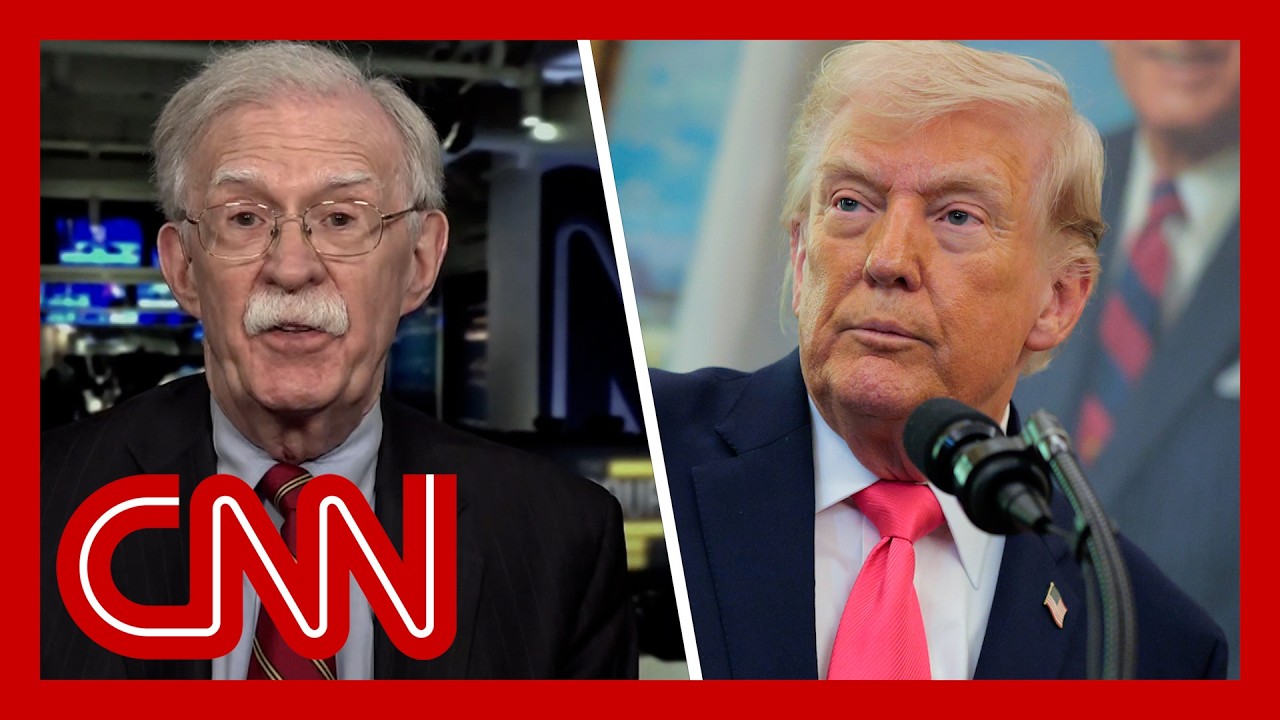
As the geopolitical landscape continues to shift, the dialogue surrounding Iran’s regional presence and U.S. military strategy has intensified. Recent discussions with former National Security Adviser Ambassador John Bolton shed light on the intricacies of American policy towards Iran. Amid these complex tensions, Bolton articulated a critical view of the current administration’s objectives, calling into question the clarity and efficacy of its strategy.
Bolton noted that President Trump has been "looking for some time for a way to get out" of military engagements, suggesting a fundamental uncertainty regarding U.S. objectives. Initially conceived as a regime change operation, Bolton argues that the administration’s approach may have lost focus. Drawing parallels with historical precedents—like Harry Truman’s characterization of the Korean War as a "police exercise"—he implies that such rhetoric often masks deeper confusion about strategic goals.
Notably, Bolton challenges the notion that meaningful negotiations with Iran are possible, positing that the regime lacks trustworthy individuals with whom to engage. He strongly advocates for a more aggressive stance, suggesting that the U.S. should focus on dismantling the Iranian state’s military apparatus. Specifically, he mentioned the Iranian Revolutionary Guard Corps and its associated forces as primary targets, emphasizing the need to "destabilize the regime" rather than seek negotiations from within.
The commentary inevitably raises critical questions about U.S. military preparedness and strategic planning. With the deployment of troops, such as the 82nd Airborne, Bolton suggested that U.S. forces could prepare for ground operations, including potential maneuvers in oil-rich regions. He proposed that capturing strategic locations, like Car Island, could impact Iranian oil shipments, critically affecting the regime’s financial resources.
However, Bolton expressed some concerns about the timing and execution of such operations. He argued that earlier intervention might have yielded better results, critiquing the administration for not blockading key maritime routes sooner. Furthermore, he pointed out the inherent risks involved in ground operations, especially given the likelihood of encountering well-prepared Iranian forces on the island.
This hesitancy raises a crucial consideration: Is the current military build-up a genuine preparation for action, or is it merely a show of strength intended to buy time? In discussions regarding the potential for negotiations, Bolton expressed skepticism, stating that the probability of striking a deal with Iran remains "zero." He suggested that the administration’s rhetoric may be an attempt to signal reasonableness while simultaneously preparing for more assertive military options.
Moreover, Bolton illuminated the need for greater support for opposition groups within Iran. He questioned how much the U.S. was doing to empower these factions, emphasizing the importance of providing resources—be it telecommunications, financing, or weaponry—to facilitate internal dissent against the regime. This idea of bolstering opposition raises the prospect of a multifaceted approach to U.S. foreign policy: aggressive military posture combined with strategic support for ground-level change.
As questions about next steps loom large, military analysts like Lieutenant General Mark Schwarz and strategy experts like Brett McGerk have stressed the importance of setting clear and achievable objectives. Schwarz noted that the military is well-equipped for specific operations, but the pressing concern remains the clarity of the overall mission. If the U.S. were to engage in ground combat, planning would need to account for both immediate military goals and the complexities of subsequent governance and stabilization.
Ultimately, the stakes are high. The U.S.’s approach to Iran significantly influences broader regional stability and global dynamics. As Bolton, Schwarz, and McGerk articulated, clear objectives, strategic preparation, and a comprehensive approach to both military and diplomatic efforts are essential in navigating this multifaceted challenge. The unfolding events are chapters in a larger narrative that continues to evolve, and the next steps will be pivotal not only for U.S.-Iran relations, but also for the enduring quest for peace and stability in the region.