Tensions Escalate in the Strait of Hormuz: A Complex U.S.-Iran Standoff
As the geopolitical landscape continues to shift, the Strait of Hormuz stands as a flashpoint between major world powers. The strategic waterway, responsible for a significant portion of the world’s oil shipments, has become the stage for a military showdown, as Iran conducts naval exercises, prompting a robust U.S. response. The USS Gerald Ford Carrier Strike Group is en route to the region, signaling a readiness to counter any provocations.
In recent developments, Iranian Foreign Minister Abbas Araqchi disclosed that while initial guiding principles for discussions have emerged between the U.S. and Iran, substantive progress remains elusive. His comments indicate that while negotiations are ongoing, expectations for a swift agreement should be tempered. The complexity of the situation is further underscored by a palpable military buildup in the greater Middle East.
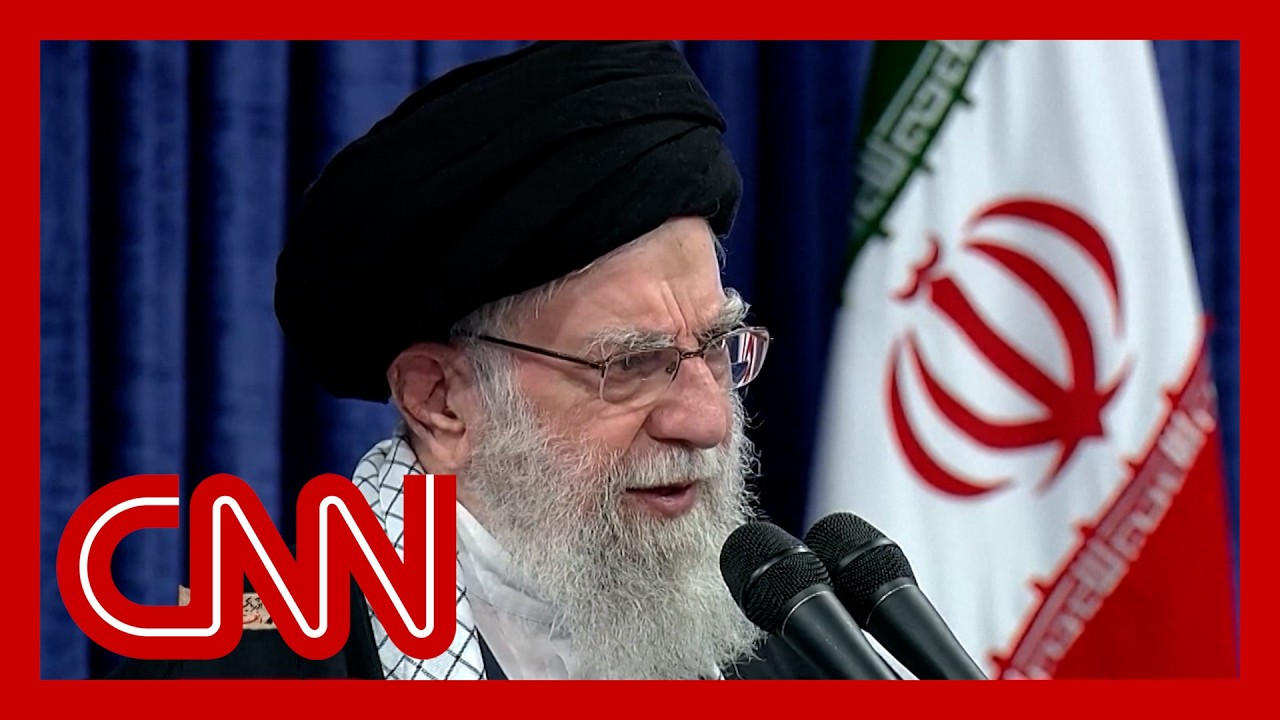
A cacophony of rhetoric emanates from both sides. Iran’s Supreme Leader Ayatollah Ali Khamenei characterized the U.S. military as a formidable force, yet dismissively suggested that even the "strongest army in the world may sometimes get slapped so hard that it cannot stand up straight." This provocative language reflects not only a defiance but also a strategic rhetoric aimed at bolstering domestic morale amidst rising tensions.
Simultaneously, U.S. President Donald Trump continues to oscillate between military threats and diplomatic overtures. Recently, he indicated that a deal with Iran is preferable to military confrontation, provided that the terms are acceptable. However, the skepticism surrounding Iran’s willingness to engage meaningfully in negotiations adds another layer of complexity. As discussions unfold, the U.S. is proceeding with caution, mindful of Iran’s history of what U.S. officials deem as underhanded negotiating tactics.
The current political climate presents various challenges and layers of mistrust. Both President Trump and Israeli Prime Minister Benjamin Netanyahu share mutual concerns regarding Iran’s ambitions, particularly its ballistic missile program and support for proxy groups in the region. Netanyahu has urged caution, emphasizing that any deal should comprehensively address not just nuclear capabilities but also broader regional threats. The unyielding Israeli position reinforces the notion that a potential agreement with Iran will face hurdles from various fronts.
As the discussions in Geneva progress, it is apparent that significant gaps remain in both understanding and expectation. Reports indicate that U.S. negotiators do not yet perceive any tangible concessions from Iran, raising concerns about the immediacy of military option considerations. Analysts suggest that without clear movement toward resolution, the risk of military escalation increases, particularly given the heightened U.S. military presence in the region.
The military maneuvering goes beyond mere posturing. Over the past 24 hours, reports of U.S. fighter jets, including advanced F-35s and F-22s, repositioning to bases in the Middle East have surfaced, reinforcing the notion that the U.S. is positioning itself for a range of contingencies. This deployment signals a serious commitment to deter any aggressive actions by Iran while also keeping the door open for potential diplomatic engagements.
Furthermore, the rhetoric from both the U.S. and Iran suggests that the stakes are extraordinarily high. Political analysts argue that Iranian leadership is acutely aware of the implications of their negotiations. The supreme leader’s recent comments suggest a calculation that may not fully appreciate the extent to which the U.S. is prepared to act militarily should negotiations falter.
In summary, the delicate balance between diplomacy and military readiness underscores a broader strategic standoff. As both nations navigate this turbulent landscape, the risk of miscalculation looms large. With the potential for rapid escalation, stakeholders on both sides must grapple with the dire consequences of their actions. The world is watching, and the choices made in the coming days could redefine the geopolitical dynamics of the region for years to come.