The Current Landscape of U.S.-Israel-Iran Relations: Analyzing Recent Developments
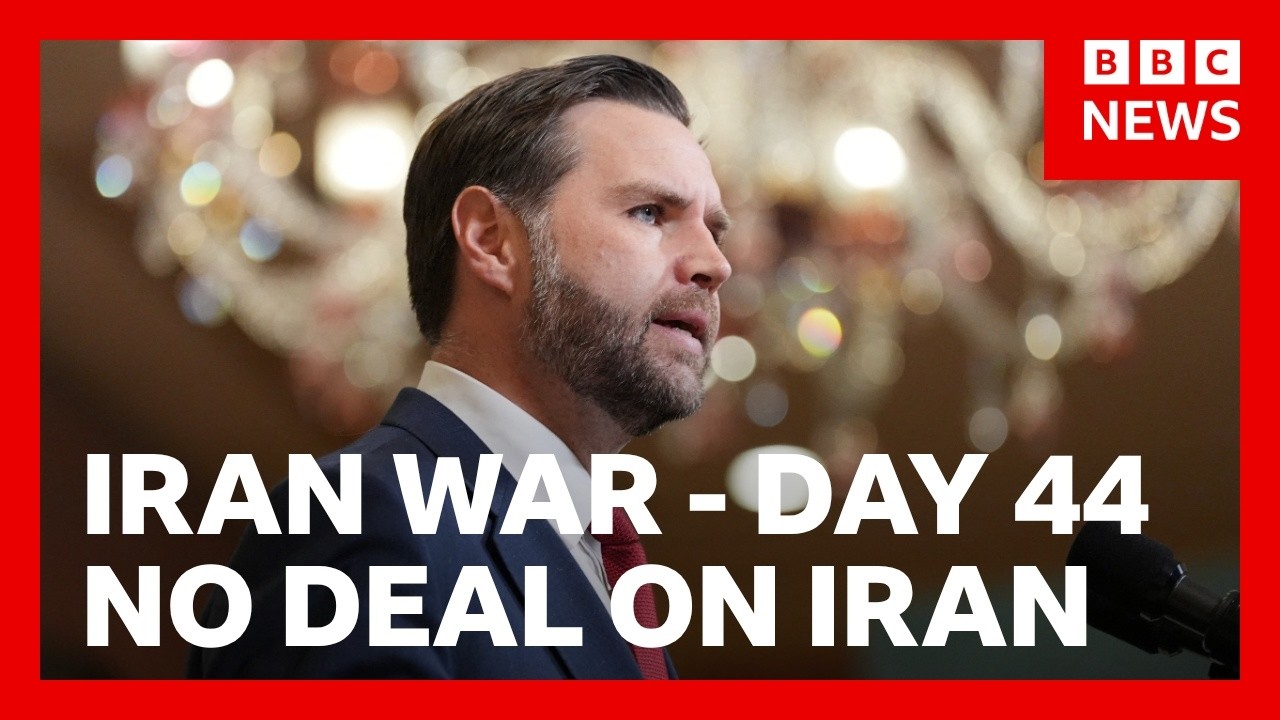
As the US-Israel conflict with Iran enters day 44, tensions are palpably rising in the region. Developed peace talks have concluded, with significant implications reverberating throughout the Middle East. Current events indicate that diplomatic efforts are faltering while military rhetoric intensifies. This article aims to provide a nuanced examination of recent developments and their potential repercussions.
One of the most alarming announcements was made by U.S. President Donald Trump, who has threatened to blockade the Strait of Hormuz, a critical shipping corridor for global oil transportation. His remarks came shortly after the break of face-to-face negotiations between U.S. and Iranian diplomats in Pakistan. During these discussions, U.S. Vice President Jed Vance expressed disappointment over the lack of consensus, pinpointing nuclear arsenals as a primary obstacle.
Iran’s negotiating team, led by a senior official, countered that the atmosphere of distrust made an agreement unlikely. "This round of negotiations came after 40 days of imposed war," the Iranian spokesperson noted, emphasizing the fraught context in which these discussions occurred. Such sentiments reflect a broader skepticism around the possibility of reaching a viable agreement in the near term.
Turning to the heart of these talks—the Strait of Hormuz—Trump’s words indicate a significant escalation in military intentions. He stated on social media that the U.S. Navy would commence a blockade to prevent all vessels attempting to access or exit the strait, positioning this move as a response to Iran’s alleged extortion practices. He warned that any Iranian aggression would meet dire consequences, further inflaming an already volatile situation.
Analysts are cautious in interpreting Trump’s statements. While they reflect a decisive military posture, some experts opine that they may not signify a full return to hostilities. Rather, they could be viewed as part of a broader strategy to regain leverage in ongoing negotiations. This viewpoint was echoed by Sami, a correspondent based in Washington, who interpreted Trump’s strong rhetoric as a means of asserting U.S. control over this vital passage, showing urgency yet insufficient evidence of imminent conflict.
The potential repercussions extend beyond U.S.-Iran relations to Israel and Lebanon, where military exchanges continue to unfold. Recent Israeli airstrikes in Lebanon have resulted in significant casualties, further complicating the geopolitical landscape. Following the collapse of U.S.-Iran talks, Israel is preparing for discussions with Lebanon scheduled for the upcoming Tuesday. However, skepticism surrounds these negotiations. Israel’s Prime Minister Benjamin Netanyahu has indicated that any ceasefire would require a far-reaching peace deal, setting a high bar that could deter productive dialogue.
The Lebanese government has condemned Israeli actions, emphasizing mounting civilian casualties amidst ongoing bombardments. Casualty figures released indicate over 30 deaths in a recent 24-hour period alone, magnifying fears of an escalating humanitarian crisis in the region. The volatility of the front lines is palpable, with both Israel and Iran vying for regional dominance and influence.
Public sentiment in Iran is increasingly restless, with many citizens fearing a reversion to outright warfare. As tensions rise, the question of whether diplomacy has reached its endpoint becomes more urgent. The proposed blockade of the Strait of Hormuz may serve as a catalyst for broader military engagement, igniting fears that any chance for negotiations could slip away entirely.
Kazra Naji, a special correspondent positioned in Islamabad, highlighted the complex interdependencies at play. With U.S. military aircraft reportedly mobilizing in the region, the atmosphere feels tense. Yet, despite this turmoil, he noted that there remains a "glimmer of hope" for renewed diplomatic efforts, given the limited time left in the current ceasefire.
As we monitor these evolving circumstances, it becomes increasingly clear that the stakes are high. A fragile equilibrium hangs in the balance. Continued hostilities or breakthroughs in diplomacy could profoundly reshape the landscape of the Middle East. The impacts of these developments will be felt not only regionally but globally, as the world watches closely to see how these intricate dynamics unfold.