Fire Crews Tackle Barn Blaze Near Toronto Zoo
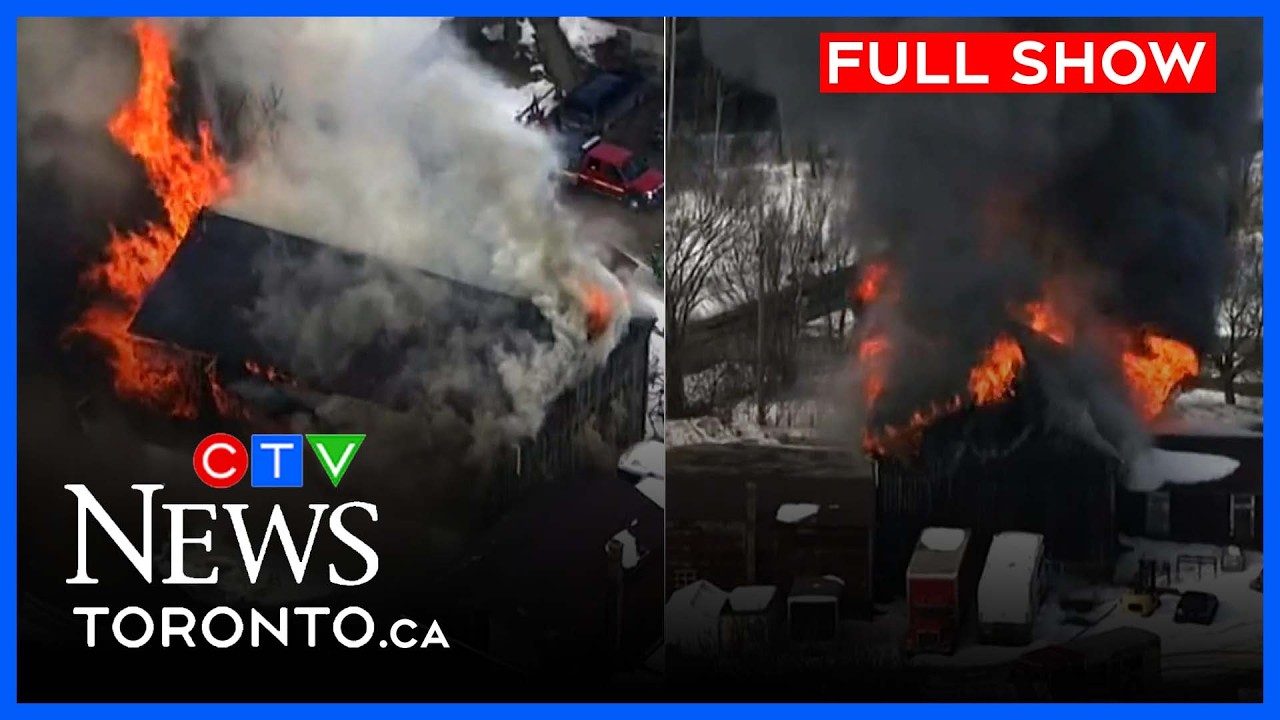
On a typical afternoon in Scarborough, a significant fire erupted, engulfing a workshop in flames. This two-alarm blaze prompted an extensive response from fire crews, thanks to the swift actions of local authorities. Fortunately, no injuries have been reported.
Just north of the Toronto Zoo, near Beer Road and Plug Hat Road, a plume of white smoke could be seen ascending through the air. Firefighters encountered immediate challenges due to the lack of water supply in the area. To combat the flames effectively, crews deployed pumpers from neighboring municipalities like Ajax and Whitby, which transported water from local hydrants to strategically placed pools designed for firefighting. The logistical difficulties posed by this situation necessitated the complete closure of the road to ensure unimpeded access for the fire response team.
Toronto Fire reported that at the height of the incident, approximately 100 firefighters and 26 fire apparatus were engaged in the battle against the flames. Despite their efforts to gain control, the fire was declared "significantly suppressed" but still posed hazards. The origin of the fire remains unknown, as investigators had yet to assess the situation closely enough due to ongoing dangers.
A Toronto Fire spokesperson elaborated on the situation: "When we arrived after nine in the morning, the workshop was already fully involved in flames. Firefighters worked efficiently, utilizing tankers to shuttle water necessary to extinguish the fire." Fortunately, the workshop was situated away from residential homes, minimizing the risk to local residents.
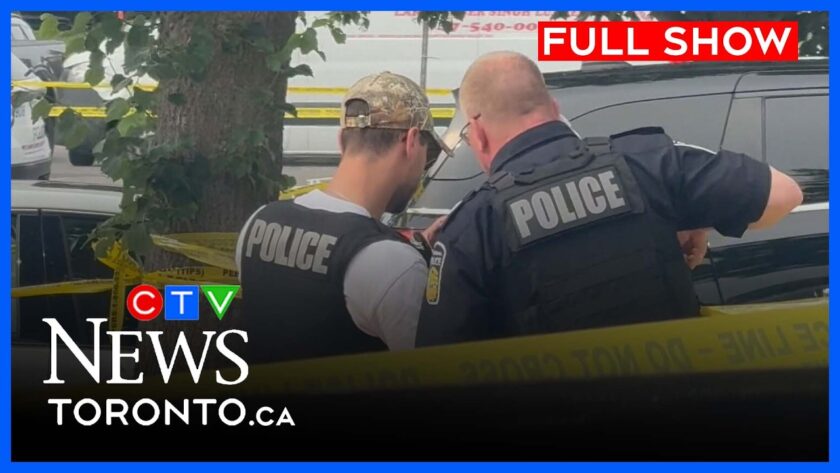
In another part of the city, gunfire erupted in North York, striking a business that’s become a repeated target. While forensics teams collected evidence of the gunfire, which riddled the façade with bullet holes, police confirmed that no one was injured. This incident marks the second gun-related episode at the same location within the week. Despite the violence, the police lack a suspect description or any determined motives for the attacks, leaving the community shaken and on alert.
In Hamilton, law enforcement made strides in an ongoing homicide case more than two years after the tragic death of Daniel Musafiri. The police arrested Eric Kolanos, a 29-year-old man who was already incarcerated for unrelated charges. Kolanos faces a first-degree murder charge for allegedly shooting Musafiri following a brief verbal exchange outside a billiards establishment. Families are reminded of the toll such violence takes on communities, as Musafiri’s mother tearfully shared her grief in a public statement.
Meanwhile, in a significant narcotics bust, the Ontario Provincial Police reported seizing millions worth of suspected fentanyl linked to an interprovincial drug trafficking network. The operation highlighted the government’s ongoing struggle to combat opioid crises, with the seized quantity equating to 180,000 potential lethal doses.
In line with government measures aiming to recover financial losses, Brampton city officials enacted a policy mandating retailers to pay a fee for each abandoned shopping cart found in the community. This initiative aims to reduce the safety hazards posed by these carts left in public spaces.
Further north, discussions regarding high-speed rail sparked spirited debate among residents in eastern Ontario. Proponents laud the potential economic benefits and job creation from the multibillion-dollar project, whereas critics voice concerns over its impact on rural communities and agricultural land.
In the broader landscape of public sentiment, ongoing demonstrations against government funding cuts have occurred, highlighting discontent among residents about new policies. Advocacy for educational reforms and call-outs regarding accessibility have emerged as focal points in public discourse.
With such diverse and pressing issues unfolding within the region, from severe public safety concerns to urban development and infrastructural challenges, local authorities find themselves navigating a landscape that demands timely action and community engagement. As residents await further developments, the importance of collaboration among citizens, law enforcement, and government officials becomes increasingly apparent.
This combination of emergencies showcases the myriad challenges that cities face, reinforcing the need for strategic planning and rapid response mechanisms to ensure the safety and welfare of their communities.