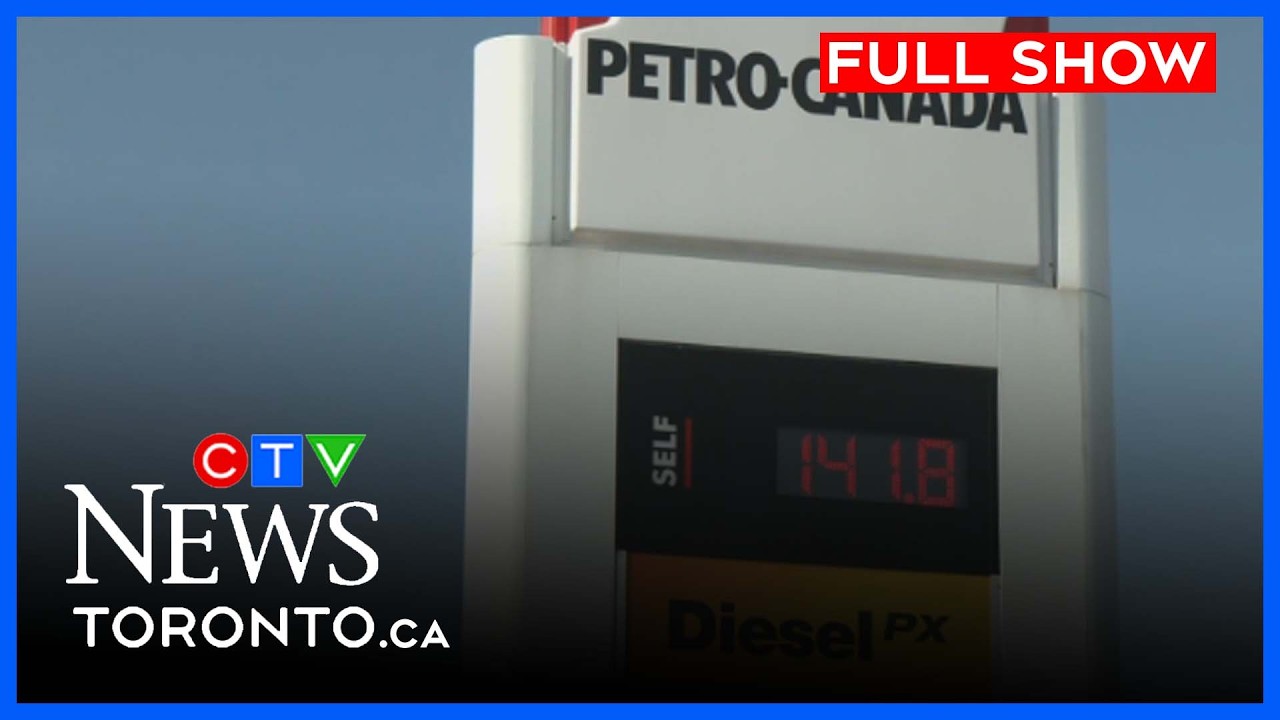
Gas Price Surge in the GTA: Impact of Global Conflicts
Gas prices in the Greater Toronto Area (GTA) surged by six cents overnight, prompting concerns among drivers about further increases in the coming days. Analysts attribute this fluctuation primarily to escalating tensions between the U.S., Israel, and Iran, alongside the shutdown of a critical oil shipping route—the Strait of Hormuz—where a significant portion of the world’s oil supply is transported. These geopolitical developments have destabilized the oil market, causing crude prices to climb dramatically.
As pump prices soar, many drivers report feeling a mix of frustration and helplessness. "We saw this coming, but that doesn’t make it any easier to swallow," one driver noted, emphasizing the struggle to manage household budgets increasingly strained by rising fuel costs. Prices at local gas stations are currently hovering between $1.42 and $1.44 per liter, with experts forecasting an additional increase of three to six cents in the near future.
The closure of the Strait of Hormuz is significant since it facilitates the passage of approximately one-fifth of the world’s oil. U.S. President Joe Biden has indicated that he is ready to deploy naval forces to protect oil tankers, signaling the depth of concern over potential disruptions in supply.
Broader Economic Implications
Drivers are increasingly worried about how these fuel price hikes will affect other essential expenses, particularly groceries. With the cost of living already elevated, added fuel costs can further strain household budgets. "Things are tight already, and now we have to deal with higher prices at the pump," lamented another driver. Experts note that while demand remains steady, the constrained supply resulting from geopolitical tensions is a significant contributor driving prices upward.
The situation echoes broader economic anxieties, as inflation continues to challenge consumers. With each increase at the gas station, the ripple effect is felt across the economy, with fears that spiraling fuel prices could lead to higher food costs and transportation fares.
Future Outlook and Professional Insights
Energy experts remain unable to predict how high the prices might eventually soar, as the trajectory will largely depend on how the situation in the Middle East evolves. The uncertainty surrounding the region can prompt speculative trading, adding volatility to gas prices. "It’s a precarious situation; the market is highly reactive to news from that region," one analyst observed.
In light of these rising costs, many consumers are left with few options. Filling up their tanks remains a necessity, particularly for those who commute or rely on their vehicles for work. Some drivers, particularly those in professional sectors that operate at fixed pricing, find these fuel hikes particularly penalizing. "That extra $20 out of my pocket each week adds up, but I can’t charge clients more," explained a driver whose work requires substantial travel.
Conclusion
As gas prices rise against a backdrop of international conflict, the situation underscores a complex web of factors influencing economic stability. The immediate effects are felt at the pump, but the broader implications could reverberate through various sectors, impacting everything from grocery prices to transportation fares. With the potential for ongoing price increases, consumers will have to navigate these financial challenges while hoping for a resolution to global conflicts that affect oil supply chains.