Escalating Tensions: The U.S. Military’s Operations Against Iran
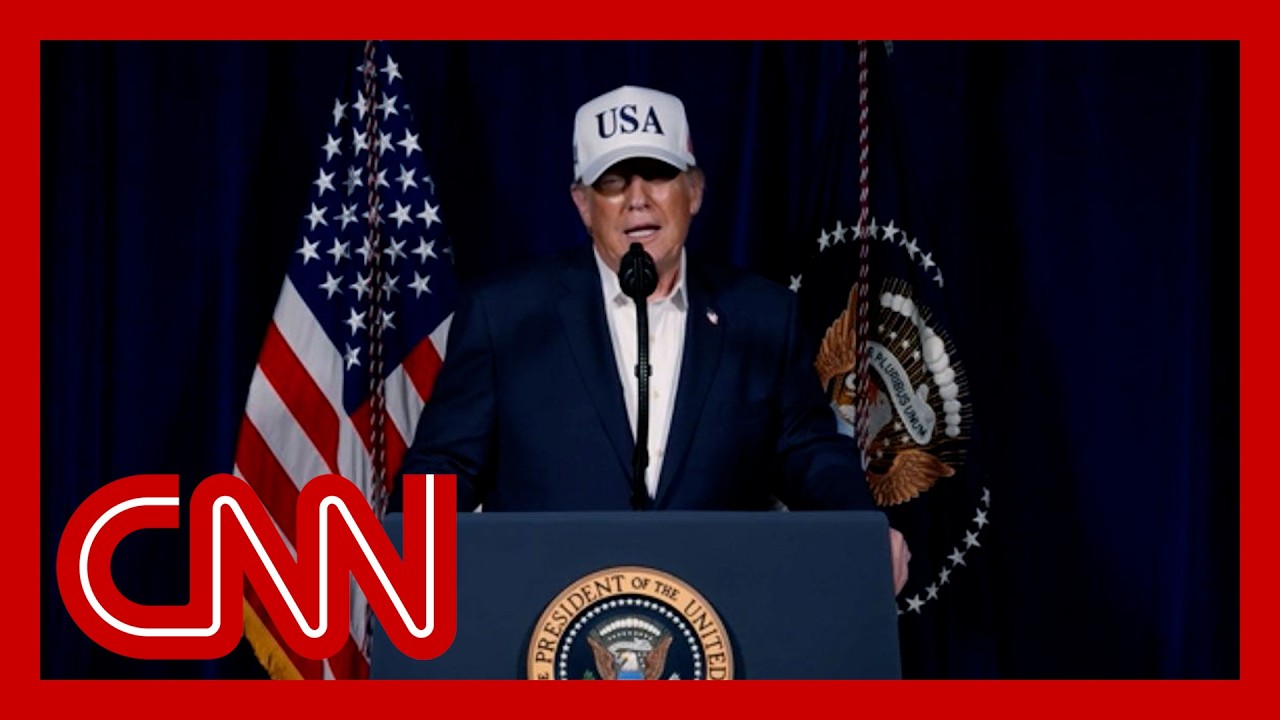
In a significant turn of events, President Trump announced major military operations against Iran aimed at eliminating what the U.S. government identifies as imminent threats from the Iranian regime. The President’s address emphasized the persistent risk posed by Iran, which he described as a "vicious group" whose actions have endangered American lives abroad and at home for decades.
The historical context of U.S.-Iran relations is steeped in a legacy of hostility. From the 1979 seizure of the U.S. Embassy in Tehran to ongoing proxy conflicts throughout the Middle East, Iran’s government has been characterized by a series of aggressive actions against American interests. The Iranian regime’s involvement in terrorist activities—including the bombing of U.S. Marines in Beirut in 1983 and indirect responsibility for the attack on the USS Cole in 2000—underscores a long-standing pattern of aggression.
In his recent address, Trump emphasized the regime’s extensive efforts to support terrorist groups across the region, claiming that Iran has armed and trained militias from Lebanon to Yemen. Most notably, he referenced the brutal attacks carried out by Hamas on Israel, which resulted in significant civilian casualties, including both Israeli nationals and Americans. This pivotal moment exemplifies the urgent need, as Trump sees it, for decisive action against Iran’s regional influence.
Repeatedly asserting that Iran cannot be permitted to develop nuclear weapons, Trump highlighted a past military operation named "Midnight Hammer," claiming it effectively dismantled key components of Iran’s nuclear program. Despite these assertions, Iran has continued its efforts to rebuild its capabilities, prompting the U.S. to react aggressively to deter these advancements.
The President’s rhetoric reflects a broader narrative that paints Iran as the "world’s number one state sponsor of terror." Amid claims of extensive human rights abuses, including the suppression of protests against the regime, Trump positioned the military operations as not only a defensive maneuver but also a moral imperative. He reaffirmed that the U.S. military’s readiness and strength will be fully mobilized to protect American interests and allies.
Moreover, President Trump warned Iranian military personnel that they must lay down their arms or face severe consequences. This ultimatum indicates a willingness to engage in direct confrontation, a strategy that may propel the region into further turmoil. Coupled with calls for Iranians to rise against their government, the message is unequivocally one of both military action and political upheaval.
However, amidst this assertive posture, recent polling data suggests a dichotomy between the administration’s aggressive military strategy and public sentiment. A recent survey highlighted a pervasive unease among Americans regarding military action in Iran. While there is widespread concern about a nuclear-armed Iran, many citizens express discomfort with Trump’s approach. This suggests that his administration may face significant domestic opposition if military engagements result in prolonged conflict.
The ongoing military buildup, including the deployment of aircraft carriers and other forces to the Persian Gulf, reflects an ongoing commitment to counter Iranian aggression. Nonetheless, it is crucial to note that the current operations do not signal a full-scale invasion. Observers note an emphasis on achieving objectives with minimal American casualties, indicating a clear understanding of the political risks involved.
As military operations unfold, the international community watches closely. The ramifications of U.S. military actions could set a precedent for how America engages with rogue regimes in the future. The complexities of such a strategy demand careful navigation to avoid entanglement in another protracted conflict in the Middle East.
In conclusion, the stakes are high as the U.S. military confronts Iran, framed not only as a tactical response to active threats but also as a broader ideological battle against a regime perceived as a pariah on the world stage. The evolving political landscape within the U.S. may significantly influence the trajectory of these military actions, shaping how both domestic and international audiences respond to America’s approach in the coming days and weeks.