Navigating Uncertainty: Trump’s Foreign Policy Dilemma
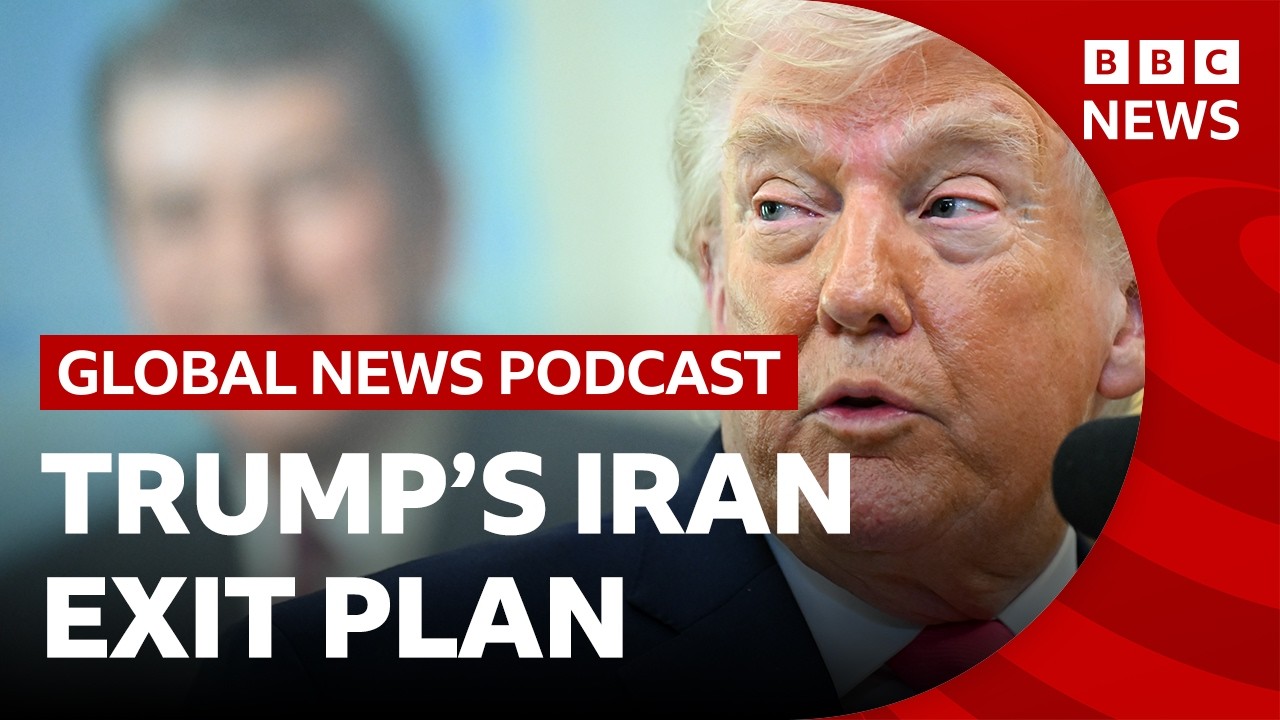
Recent days have marked a significant chapter in U.S. foreign relations, particularly concerning the tense standoff with Iran. Charlotte Gallagher, hosting the Global News podcast, engaged with Anthony Zurka, the BBC’s North America correspondent based in Washington, to discuss the intricacies of President Donald Trump’s current approach amid escalating tensions.
The conversation unfolded following Trump’s departure from Washington, D.C., aboard Air Force One, en route to his resort in Mar-a-Lago, Florida. This journey set the stage for a whirlwind of developments, as Trump asserted that the U.S. was winning the conflict with Iran and was open to negotiations. In a twist of events, he later extended a 48-hour deadline for discussions, suggesting progress was being made. This initial optimism, however, raises questions about his negotiation style, which often blends unpredictability with calculated strategy.
Zurka elaborated on Trump’s well-documented penchant for bold claims and contradictions. His approach has earned him both supporters and skeptics, particularly among independent voters, who are beginning to question his handling of economic issues. The rising gas prices, nearing $4 per gallon, reflect a tangible concern felt by many Americans, regardless of political affinity. As Trump championed a better economic future during his campaign, any deviation from that promise could jeopardize his popularity.
Despite the challenges, the loyalty of Trump’s core supporters remains robust, as they afford him a degree of trust, believing he can navigate the complex geopolitical landscape without entangling the U.S. in prolonged conflicts. However, this trust is increasingly being tested as voters express dissatisfaction with the direction in which the country is headed.
Further complicating the situation, the potential ramifications of prolonged international conflict on the U.S. economy cannot be underestimated. The recent surge in gas prices serves as a stark reminder. A significant portion of the electorate is disillusioned, prompting fears among Republican leaders regarding the mid-term elections.
The discussion highlights a broader concern—whether Trump can find a graceful exit from ongoing military engagements without appearing to back down. Options are limited; while some voices in his administration advocate for continued pressure on Iran, others suggest that a different approach may be necessary in light of the dissatisfaction among the electorate.
CRITICAL CHOICES
A pivotal moment appears to be on the horizon, with ongoing negotiations serving as a possible turning point. Questions linger: Will a viable resolution emerge? Can a deal satisfy both hawks within his administration and the broader electorate? Trump faces immense pressure to either declare a victory—despite the absence of definitive success—or to continue escalating military involvement.
Zurka notes that while Trump has been vocal about imposing ultimatums, a balance must be struck between exerting pressure on Iran and the potential backlash from voters who seek stability. Conversely, a retreat, particularly framed as a victory, may lead to accusations of evasion, undermining Trump’s assertive image.
The presence of individuals like J.D. Vance in negotiations could also signal a shift. Vance, having maintained a low profile, is increasingly considered a potential point of influence regarding U.S.-Iran relations. His prior military experience positions him as a credible negotiator, but it also aligns him closely with Trump’s administration. This dual role could amplify the stakes, placing Vance’s reputation on the line as broader geopolitical dynamics unfold.
As the podcast drew to a close, the stark complexity of the situation became evident. The negotiations with Iran are just one facet of a multifaceted diplomatic puzzle, complicated by regional players like Israel and Gulf states. These entities may pursue divergent strategies, adding to the uncertainty.
The evolving geopolitical landscape demands careful attention. Trump’s handling of this intricate web may dictate not only his administration’s legacy but also the immediate future of U.S. foreign policy. The coming days will reveal whether he can chart a course that aligns with his promises while addressing the palpable concerns of American voters. Only time will tell if he can indeed navigate these turbulent waters successfully.