The Fallout from Alexei Navalny’s Death: Russia’s Denial and Global Accusations
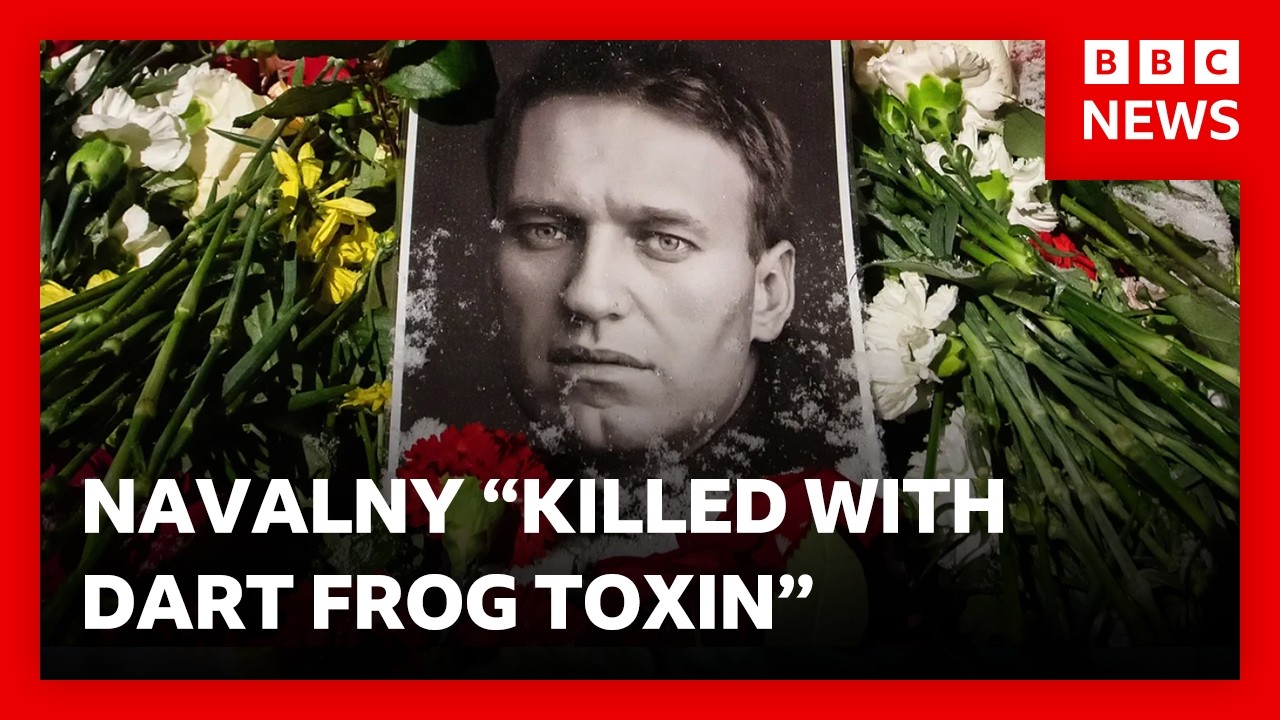
Two years have elapsed since the tragic death of Alexei Navalny, a prominent Russian opposition leader and fierce critic of Vladimir Putin. The controversial circumstances surrounding his demise have once again ignited international scrutiny and accusations against the Kremlin. As the anniversary of Navalny’s passing approaches, both the UK and European nations have leveled claims that his death was orchestrated by Russian authorities, alleging the use of a rare poison derived from a South American dart frog.
On a frigid winter day in Moscow, Russians gathered to pay respects to Navalny, whose legacy as an outspoken opponent of Putin’s regime remains indelible. Despite the bitter cold and incessant snowfall, a steady stream of supporters approached his grave, laying down flowers, lighting candles, and offering poignant messages. One note read simply, "Hi, Alexei. We remember you. You’re a hero." Such tributes not only encapsulate the affection many hold for Navalny but also underline the risk involved in publicly honoring a figure whose nascent movement has faced significant repression. A palpable atmosphere of defiance enveloped the cemetery as mourners arrived, aware that showing support for Navalny could have repercussions in a country where dissent is frequently met with hostility.
Among those paying respects was Ludmila Navalnaya, Alexei’s mother, who expressed undeterred resolve in the face of injustice. "Two years have passed, and we already know what he was poisoned with. Eventually, we’ll find out who did it," she stated. Her words echo a growing sentiment among Navalny’s supporters and investigative journalists alike that the truth behind his death will ultimately surface, despite the Kremlin’s stonewalling tactics.
In the aftermath of Navalny’s death, the Russian government claimed he succumbed to "natural causes" while incarcerated in a penal colony. However, contradicting these assertions, British and European investigators recently announced findings that detected traces of epibatadine, a lethal toxin, in samples taken from Navalny’s body. This astonishing revelation has spurred further questions about how a man known for his steadfast opposition to Putin could meet such a suspicious fate in state custody.
The Kremlin’s response has been one of staunch denial. Dmitry Peskov, spokesman for President Putin, categorically rejected the allegations, calling them "biased" and "baseless." He argued that the claims reflect a broader narrative aimed at undermining Russia’s credibility on the world stage. Such statements have become a hallmark of the Kremlin’s media strategy, designed to shift the focus away from domestic dissent and international condemnation.
The implications of Navalny’s death reach far beyond individual tragedy. It serves as a grim reminder of the risks faced by political dissidents in Russia. Supporters of Navalny have often found themselves targeted by state apparatus, whether through arrests, harassment, or worse. The very act of placing flowers on Navalny’s grave requires an extraordinary level of courage, as the presence of political and police observers at memorials signals a continual surveillance regime.
The international community remains vigilant. The ongoing saga of Alexei Navalny’s life and death encapsulates the broader struggle for freedom and justice in Russia. His unwavering commitment to fighting corruption and advocating for democracy has inspired countless individuals, both within Russia and around the world. As voices continue to rise in solidarity, they serve as an enduring reminder of the costs associated with dissent in a state defined by autocracy.
The commemoration of Navalny’s life resonates with an unyielding determination for justice. While the Kremlin may dismiss accusations with a wave of their hand, the memory of Alexei Navalny, coupled with the pursuit of accountability, remains a potent force for change. As this chapter in Russia’s political landscape unfolds, it beckons those who seek a more transparent and just society to take up the mantle of advocacy and resistance.