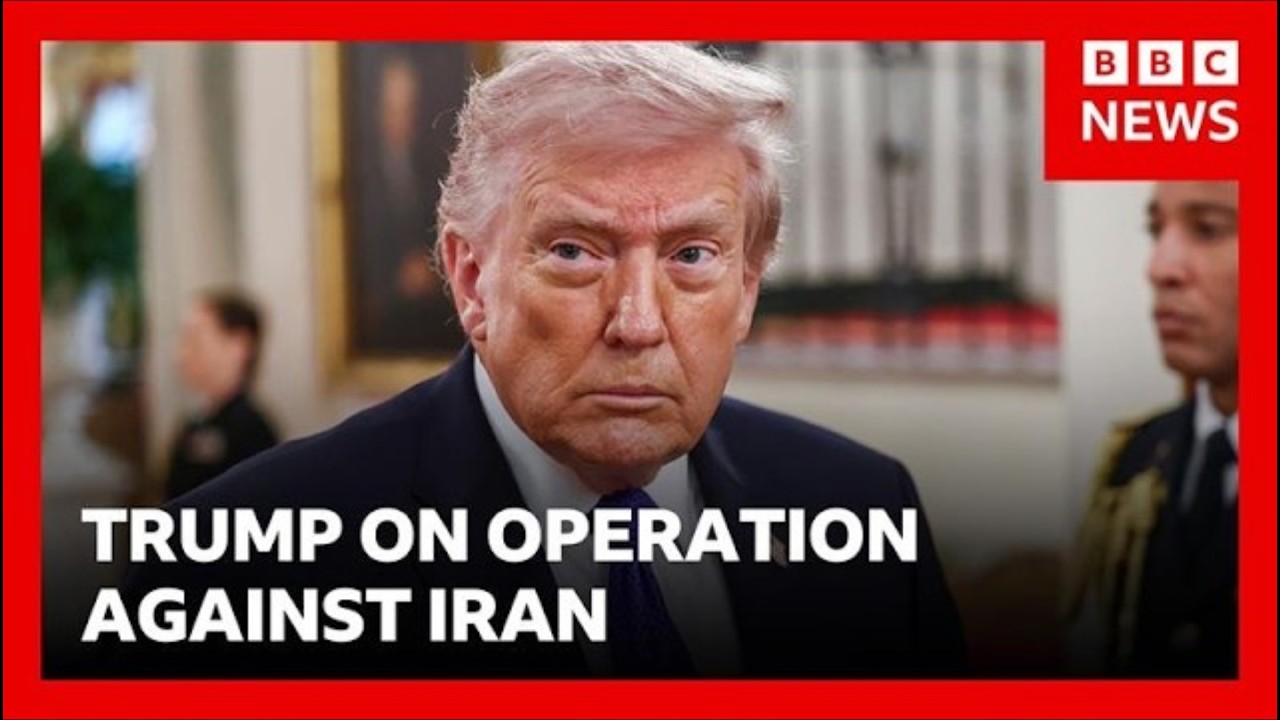
Tensions Unfold as Trump Declares "Ultimate Victory" Against Iran
Amidst the escalating conflict with Iran, President Donald Trump has made assertions indicating a swift resolution to what he describes as a "short-term excursion." In recent interviews, he underscored his administration’s determination to drive towards "ultimate victory," suggesting that the U.S. has already achieved significant successes in its military objectives. Trump’s statements, however, present a contradictory narrative about the war’s longevity and objectives, contributing to global economic instability.
During a press event, Trump remarked, “We have already won in many ways, but we haven’t won enough,” emphasizing the need for continued efforts to eliminate what he termed “long-running danger.” This emphasis highlights a mixed message: while he claims the conflict is "very complete," he simultaneously insists that Iranian forces remain a lingering threat. Such statements reflect his administration’s ongoing strategy to formulate a narrative of success to bolster public support, despite the geopolitical complexities at play.
The ongoing conflict has led to notable fluctuations in the oil market, with prices reaching over $100 a barrel before retreating. This volatility raises flags concerning global inflation and economic repercussions. British officials have warned of rising inflation due to these spikes, which could ripple through economies relying heavily on crude imports. Economists are keenly monitoring changes in oil prices, as increased costs at the pump directly impact household expenses.
In Australia, the humanitarian implications of the conflict have led to the country’s temporary grant of visas to five members of the Iranian women’s football team, who feared for their safety due to their political stance against Iran’s regime. This incident underscores the human cost of the war, as athletes find themselves entangled in the intersection of sports and international diplomacy.
As international relations strain further, the war has also ignited protests and celebrations in Iran, reflecting divided public sentiment. Following the assassination of the previous supreme leader, his successor, Mushaba Hame, has emerged as a pivotal figure, rallying national support amidst foreign aggression. The Iranian population, witnessing intensified air strikes, feels both a sense of anger and nervous exhilaration over the leadership change.
Complicating the scenario are reports of escalating military aggressions, with U.S. and Israeli forces targeting Iranian naval vessels. The extent of damage to Iran’s military capabilities is significant, yet analysts caution against interpreting this as a clear pathway to peace. The region’s history of conflict suggests that alliances and hostilities can shift unpredictably, indicating that a resolution may still require considerable negotiation, and potentially continued warfare.
Moreover, the ramifications of the conflict extend beyond the immediate combatants. Recent increases in fuel prices due to disrupted oil supplies have sparked concerns in nations like the United Kingdom, where households face escalating living costs. The Chancellor’s warnings of inflation resonate with citizens grappling with financial strains stemming from global instability. Families reliant on heating oil to power their homes are scrambling as prices surge dramatically, illustrating how interconnected and vulnerable economies are in the face of international conflicts.
It’s imperative to examine Trump’s intentions further. His declarations of a desire for a swift conclusion appear calculated to prepare the public for a future announcement of "victory," should circumstances become politically favorable. However, the discernible commitment from Iran to continue its military engagements poses significant barriers to achieving lasting peace.
The unfolding dynamics illustrate how the Iranian leadership remains resolute in countering U.S. objectives, portraying resistance as a nationalistic duty. Given these factors, it remains uncertain whether Trump’s vision of "ultimate victory" aligns with a sustainable pathway to rebuilding trust and stability in the region.
As viewers across the globe tune into news reports, the stakes continue to heighten. If history serves as a lesson, the aftermath of such conflicts is often fraught with unresolved grievances and further bloodshed. Thus, the complex fabric of international relations and military strategy will be crucial in shaping the days to come. As the situation evolves, it calls for measured responses from policymakers to mitigate the humanitarian and economic fallout while navigating a precarious geopolitical landscape.