Ontario Judge Allows Controversial Rally to Proceed Amid Political Tensions
In a significant ruling today, an Ontario judge has dismissed the Ford government’s efforts to halt a rally scheduled to take place near the U.S. consulate in downtown Toronto. The decision, rendered shortly before the event’s commencement, underscores the complexities surrounding freedom of assembly and political expression in the current sociopolitical climate.
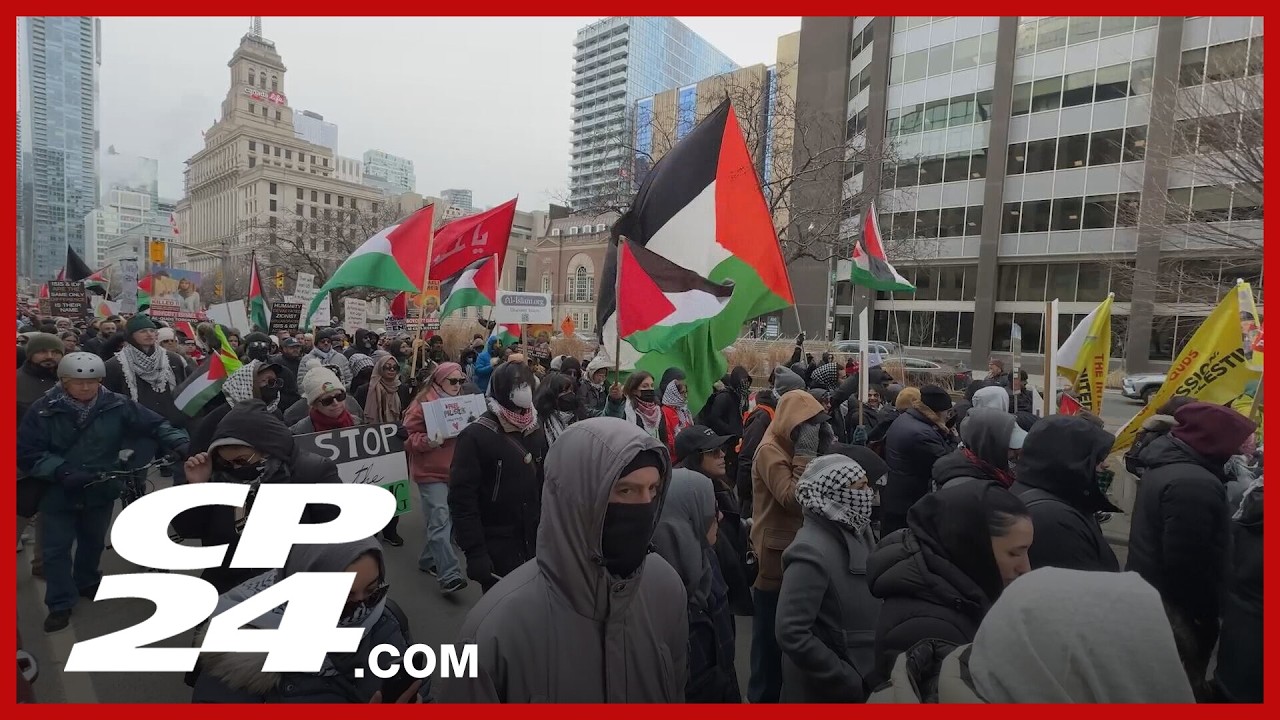
With the rally set to commence, demonstrators gathered in anticipation of their first public gathering since the government’s challenge. Reports indicate that the atmosphere among protesters is one of relief mixed with defiance. Many are expressing their joy over the court’s decision, viewing it as a validation of their fundamental rights. Several hundred individuals have assembled, accompanied by a noticeable police presence in anticipation of potential unrest.
The Ford government sought to impose an injunction against the rally, citing concerns over rising incidents of anti-Semitism across the Greater Toronto Area and asserting that the event could disrupt public order. The province’s counsel presented the case to the judge this afternoon, arguing that the potential for violence warranted a legal prohibition on the demonstration. However, the presiding judge found the evidence presented insufficient to justify such a restriction. The ruling noted that the Toronto police had not expressed concerns about their ability to manage the event or indicated any prior incidents during similar gatherings.
The court’s decision highlights a delicate balance between maintaining public order and upholding constitutional rights. Legal representatives for the rally’s organizers contended that the government’s actions were not only unfounded but also politically motivated—a claim they argued stems from broader issues of anti-Palestinian sentiment. This assertion adds another layer of complexity to the discourse surrounding the rally, framing it not merely as an act of protest but as a crucial moment in the ongoing struggle for political expression.
As the rally gets underway, it appears that a counter-protest is forming nearby, indicative of the deeply polarized opinions on this issue. While the police have established barricades along University Avenue—likely to contain the crowds and manage any potential flare-ups—there have already been reports of minor scuffles. At least one arrest has been made. Such incidents serve as a reminder of the high stakes involved in public demonstrations, where freedom of speech often collides with social tensions.
One of the rally’s organizers, Steven Ellis, spoke to the media expressing his satisfaction with the court’s ruling. “We expected that it wouldn’t succeed because it was an absurd attempt to abrogate our rights to freedom of assembly and freedom of speech,” he stated. His remarks reflect a larger sentiment among supporters, who believe that this rally is a necessary expression of solidarity with Palestinian rights.
Traffic disruptions are anticipated as the rally unfolds and is expected to last for several hours. The police have implemented measures to ensure a balance between safety and the right to protest. However, the situation remains fluid, and authorities will undoubtedly be vigilant as the event progresses.
As the afternoon wears on, the implications of this rally extend beyond mere protestation; they signal a crucial examination of how governments navigate the intersections of legal authority, public safety, and civil liberties. With heightened awareness of socio-political issues, particularly in the context of ongoing international conflicts, gatherings like these will likely continue to draw significant attention and provoke debate.
In conclusion, the judge’s ruling not only grants protesters the opportunity to express their frustrations but also reinforces the importance of legal protections around free speech in a democratic society. The unfolding events in Toronto serve as a potent reminder of the tumultuous landscape of public opinion and the enduring necessity for dialogue in the pursuit of justice both locally and abroad.