The Looming Resolution to the Government Shutdown: A Glimmer of Hope
This morning brings a renewed sense of optimism surrounding the ongoing partial government shutdown, which has significantly impacted air travel and other essential services. A recent statement from a White House official suggests that a bipartisan deal may gain traction, potentially ending a standoff that has affected millions of Americans. As travelers continue to grapple with unnaturally long security lines at airports nationwide, there’s growing urgency among lawmakers to resolve this impasse.
CNN’s chief data analyst, Harry Anton, highlighted a striking statistic: Google searches for the Transportation Security Administration (TSA) surged by 1,000% recently. This surge indicates a keen public awareness of the shutdown’s ramifications, particularly as spring break travel peaks. Unlike previous shutdowns that may have gone largely unnoticed by the general populace, this situation is vividly impacting those navigating air travel. Travelers are left wondering about the unusual delays, and anxiety about the security lines is palpable.
The political dynamics of the situation also reveal a significant divide between the two parties. Polling data indicates that approximately 55% of congressional Democrats believe their party should hold firm in negotiations, viewing the shutdown as a necessary stance against current funding proposals for Immigration and Customs Enforcement (ICE) and the Department of Homeland Security (DHS). In contrast, only 29% of Republicans support a similar hardline approach. This disparity sheds light on the internal pressures both parties face as they contemplate a resolution.
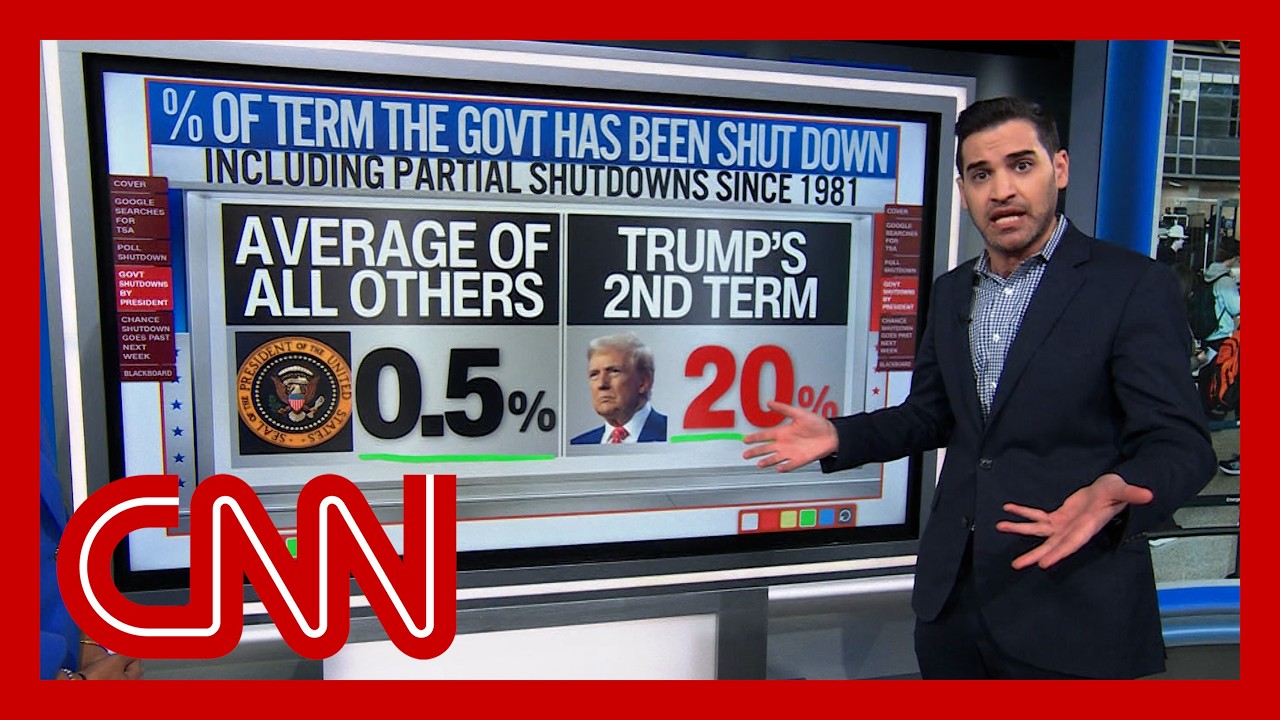
The statistics surrounding this shutdown are compelling. President Trump’s second term has been marked by a staggering 20% of his tenure being consumed by government shutdowns—a rate that is approximately 40 times the historical average for U.S. presidents. This data not only reflects a unique precedent but also illustrates the urgency within Republican circles to establish a resolution, lest they face growing dissatisfaction among constituents affected by prolonged government inefficiencies.
As negotiations progress, one promising avenue has emerged. A Republican plan is circulating that aims to fund the entirety of the DHS, with some provisions leaving ICE funding for a later date. While this approach would address the pressing needs of TSA and air travel, it falls short of implementing extensive reforms that many Democrats demand. However, initial signals suggest that Democrats may be receptive, indicating a readiness to engage in constructive dialogue.
The upcoming congressional recess, commencing this Friday, serves as a pivotal deadline that could spur lawmakers towards a resolution. Senators are likely eager to return to their home states without the burden of airport anxiety stemming from the current staffing shortages at the TSA. This looming deadline adds an additional layer of motivation for bipartisan cooperation.
Despite the optimism surrounding these negotiations, challenges remain. The Republican majority in the House of Representatives is fraught with divisions, complicating the passage of any pending agreements. Moreover, President Trump’s previously expressed resistance to compromises that do not include his proposed voter ID legislation means that any ultimate resolution will require careful orchestration.
As travelers at key airports, such as Atlanta’s Hartfield-Jackson International, experience an unexpected decrease in wait times, many are starting to breathe a sigh of relief. The deployment of ICE agents and additional law enforcement personnel appears to be alleviating some of the immediate pressures on TSA staff, who have found themselves overworked and underpaid during this shutdown.
While these developments are encouraging, the long-term ramifications of the shutdown—such as resignations among TSA officers who have faced financial strain—could linger even after funding is restored. Therefore, while a possible deal may be on the horizon, its efficacy in immediately resolving the TSA crisis is still uncertain.
In conclusion, the current landscape surrounding the partial government shutdown is one filled with both tension and hope. As lawmakers return to the negotiating table, they carry the Weight of public scrutiny and a clear mandate to act. Whether they seize this opportunity remains to be seen, but for now, there’s a growing sense that a path forward may finally be within reach.