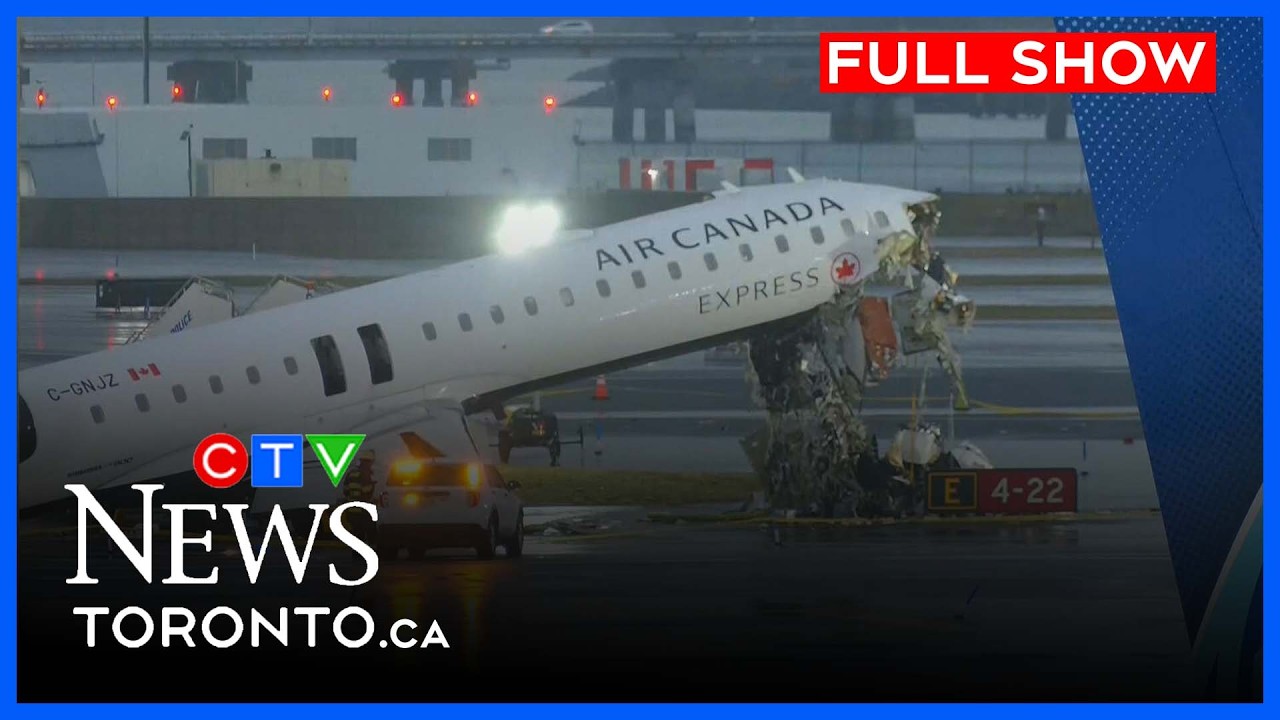
Crisis at LaGuardia: Air Canada Plane Collides with Fire Truck
In a tragic accident at New York’s LaGuardia Airport, two pilots lost their lives when an Air Canada aircraft, flight AC 8646, collided with a fire truck on the runway shortly after landing on the evening of March 19. The incident has led to significant disruptions, resulting in the airport being temporarily closed and numerous flights throughout eastern North America being cancelled.
The collision occurred just after 11:30 PM on runway four when the Air Canada plane, reportedly traveling at approximately 150 km/h, struck the fire truck responding to another emergency involving a Delta flight that had aborted takeoff. The fire truck had received clearance to cross the runway, raising questions about potential communication errors between air traffic control and emergency responders. Tragically, the pilots of the flight, identified as members of the Air Canada Jazz crew, did not survive the impact.
Immediate Aftermath: A Scene of Chaos
Emergency services quickly responded to the situation, transporting 41 passengers to local hospitals, with nine requiring critical care. Eyewitness accounts from passengers aboard the aircraft describe a sudden and chaotic scene. Many passengers, who were reportedly asleep at the time of the incident, awoke to the sound of the crash, leading to panic as they attempted to evacuate. One passenger recounted witnessing a friend with a severe injury, highlighting the personal toll of this event.
Audio recordings from air traffic control captured the acute tension and confusion surrounding the incident. Controllers instructed incoming and outgoing flights to redirect, attempting to manage the chaos as they received reports of the crash. An air traffic controller, grappling with the ramifications of the event, expressed distress over the situation, indicating the weight of responsibility that rests on the shoulders of those managing aviation safety.
Investigations and Official Responses
The U.S. National Transportation Safety Board (NTSB) has initiated an investigation, with significant support expected from Canada’s Transportation Safety Board. Experts in aviation safety emphasize the importance of thoroughly analyzing air traffic controller logs, flight data recorders, and cockpit voice recordings. John Cox, an aviation safety expert, noted that understanding the workload of the controllers is critical in establishing clear precedents for operational safety going forward.
Canada’s Prime Minister Mark Carney conveyed his condolences in a statement, expressing deep sorrow over the loss of the pilots and the injuries sustained by others. The investigation’s findings will likely prompt broader discussions concerning airport safety protocols, especially in emergency situations where multiple aircraft might be in the vicinity.
Flight Disruptions and the Broader Impact
LaGuardia Airport remained closed for several hours following the incident, leading to the cancellation of dozens of flights and stranding many travelers. As the situation unfolded, airlines scrambled to reassess their schedules in the wake of this crisis. Reports indicated that major airports like Pearson International in Toronto experienced cancellations and delays, emphasizing the interconnected nature of air travel logistics.
Travelers are being urged to check the status of their flights and stay updated, as ongoing investigations could further complicate travel plans. Despite the airport’s eventual reopening, the ripple effects of the incident are expected to linger, highlighting vulnerabilities in aviation safety and operations during emergency responses.
Looking Ahead: The Future of Aviation Safety
As authorities work to untangle the complexities of this tragic event, it underscores the necessity for continuous improvements in aviation safety measures. Enhanced communication protocols between air traffic control and emergency services may emerge as a focal point for recommendations moving forward. The mounting investigations will serve to reinforce the importance of learning from crises to prevent similar incidents in the future.
In the wake of this incident, the aviation community, especially those on both sides of the Canada-U.S. border, will likely engage in deeper discussions and training about safety measures, emergency responses, and operational redundancies to ensure that such tragedies do not recur. The loss of two pilots serves as a somber reminder of the stakes involved in air travel and the critical nature of safety protocols in an industry that is vital for global connectivity.