Rising Tensions in the Gulf: Impacts on Global Energy Markets
The ongoing conflict in the Gulf region is having a profound impact on global energy markets. As oil prices surge, the implications of this war extend beyond immediate economic concerns, affecting consumers and businesses worldwide. The White House has acknowledged the urgent need to mitigate the war’s impact on energy prices. President Trump has taken steps to stabilize the situation by directing the U.S. Development Finance Corporation to offer political risk insurance for all maritime trade through the Gulf.
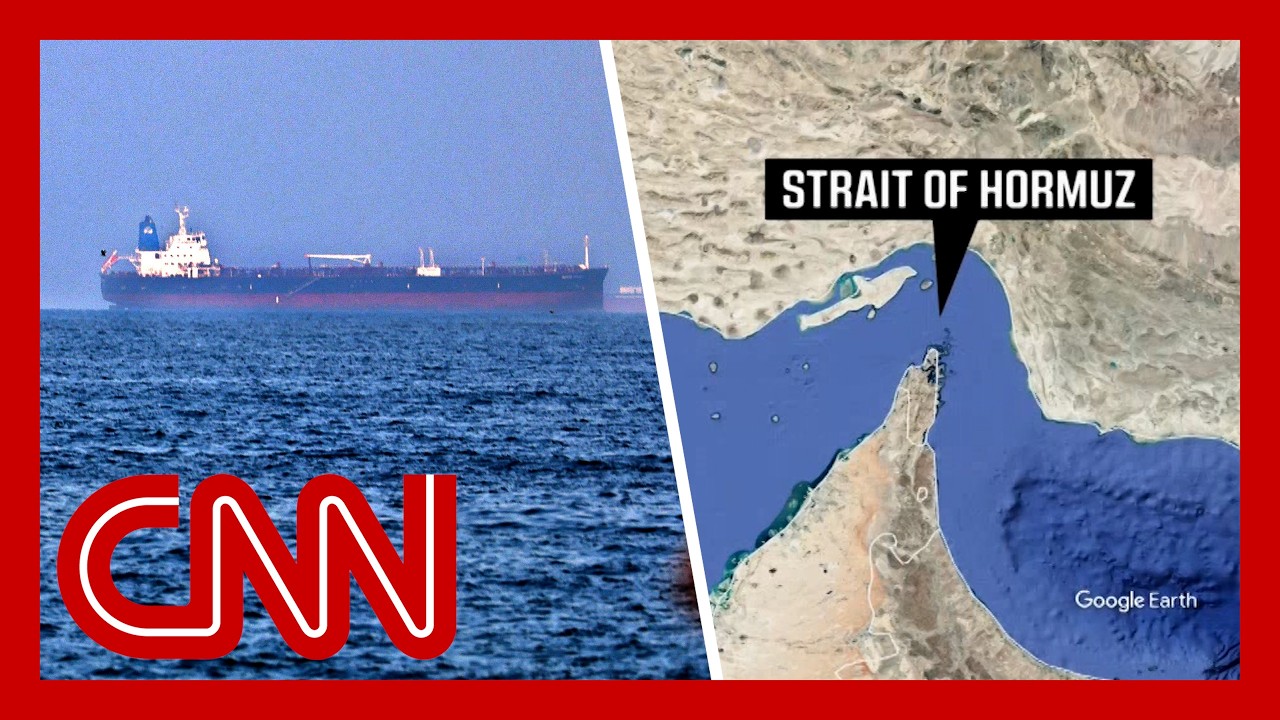
One of the world’s most crucial shipping lanes, the Strait of Hormuz, is at the center of these concerns. This narrow chokepoint, measuring just 21 miles at its narrowest, sees approximately 20 million barrels of oil pass through daily. This represents roughly one-fifth of the world’s total oil production. The Energy Information Administration has projected that by 2024, a staggering 84% of crude oil and 83% of liquefied natural gas moving through the strait will be destined for Asian markets, with China receiving around 38%.
Recent reporting from CNN highlights the gravity of the situation. Eleni Jos, stationed in Abu Dhabi, notes that the Strait of Hormuz serves as a vital artery for energy products globally. Even minor disruptions to this route can trigger significant spikes in oil and gas prices. While current oil prices have eased slightly, they had risen by approximately 12% over the past week due to pervasive uncertainties surrounding maritime security.
The geopolitical landscape is shifting rapidly. Many tankers that had loaded up with oil are now stranded, hesitating to navigate the perilous waters due to increased war risk premiums. Experts remain skeptical about the effectiveness of interventions like U.S. Navy escorts for oil tankers. The pervasive air of trepidation is palpable. Shipping companies have curtailed operations, driven by the fear of imminent hostilities. Ominously, the Iranian Revolutionary Guard has proclaimed that "not a drop of oil" will pass through the strait, further escalating the tension.
Moreover, ongoing attacks on energy infrastructure in the region are compounding the crisis. From strikes on critical installations in Saudi Arabia to the suspension of liquefied natural gas (LNG) production facilities in Qatar, every new report raises alarm bells about the global supply chain. Experts warn that if these disruptions persist, they could trigger severe supply shocks that lead to soaring oil prices, inevitably feeding into inflation.
In a recent discussion with energy analyst Robin Mills, a consultant in Dubai, the discourse turned to the critical need for secure maritime routes. Mills highlighted that the closure of the Strait of Hormuz for more than a few weeks is improbable; however, drone attacks and other unconventional tactics could continue indefinitely. This dual threat — immediate military conflict coupled with persistent low-level harassment — complicates the future of oil supply in the region.
Insurance rates for voyages into the Gulf have surged dramatically, by as much as 50%. The shipping industry is bracing for potential long-term disruptions. It remains to be seen how prepared shipping companies and insurers are for a chronic phase of insecurity that would necessitate enhanced insurance measures and risk assessments.
The wider implications are stark: prolonged instability in the Gulf could lead to structural shifts in global energy and trade flows. This uncertainty will affect not only oil prices but also broader economic stability worldwide. Companies heavily reliant on energy resources are not only facing soaring costs but also grappling with the complexities of operating in an increasingly hostile environment.
As the situation unfolds, the ripple effects of these escalating tensions will be felt in boardrooms and households across the globe. The stakes are high, and the time for decisive action is critical. Everyone’s economy, it seems, is intricately tied to the currents flowing through the Strait of Hormuz, highlighting just how interconnected our world can be. With experts and analysts keeping a watchful eye, one can only hope for a swift resolution that minimizes economic fallout and restores stability to this critical region.