Escalating Tensions: The Latest Conflict in the Persian Gulf
Recent developments in the Persian Gulf have reshaped the geopolitical landscape, as escalating tensions between Israel and Iran draw global attention. The conflict reignited when Israel launched an attack on Iranian natural gas fields, triggering a swift Iranian retaliation targeting similar facilities in Qatar. This series of exchanges has not only elevated fears of a broader conflict but also sent oil and gas prices soaring globally.
A Timeline of Events
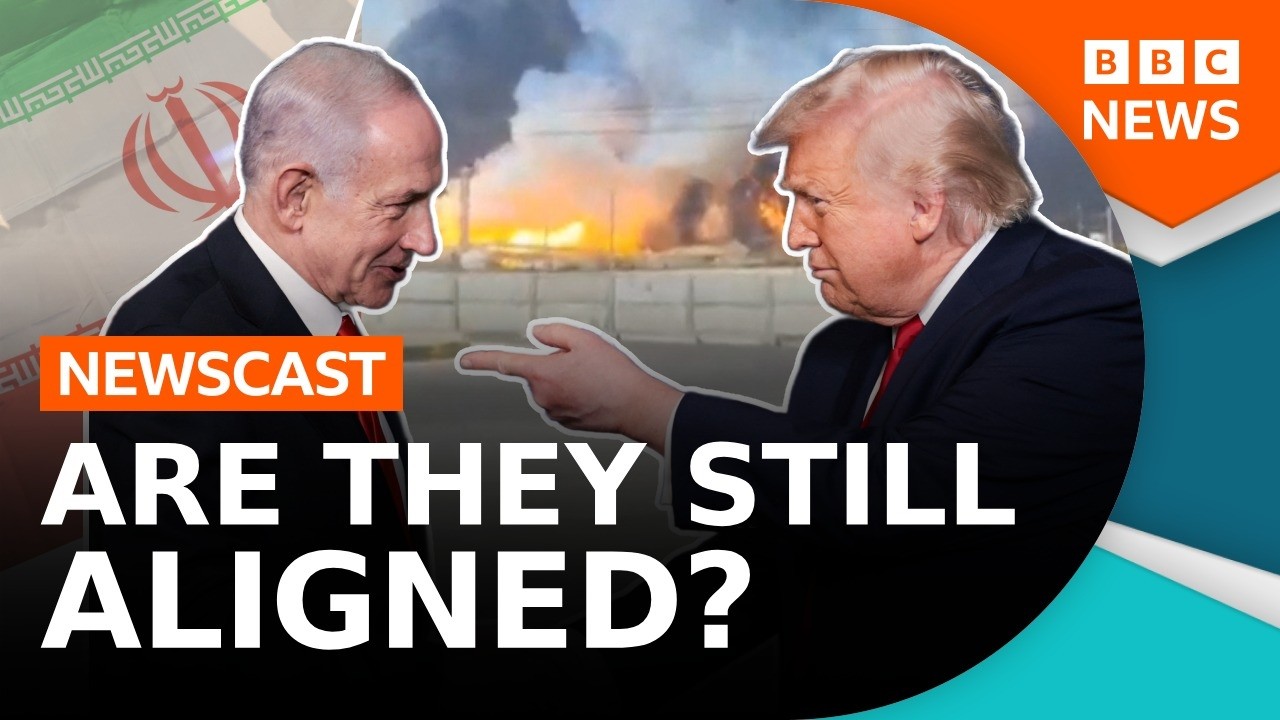
The backdrop of this violence can be traced back to earlier attacks that left Iran’s skies ominously alight with flames from Israeli airstrikes on fuel depots and terminals. Reports emerged indicating that U.S. officials had urgently warned Israel against these attacks, concerned about soaring oil prices and the potential destabilization of the region. Yet, in a shocking escalation, Israel targeted the South Pars gas field—the world’s largest oil field, jointly managed with Qatar—leading to fierce backlash from both Iran and Qatar.
Iran quickly vowed to retaliate, resulting in strikes on energy infrastructure across the Gulf. Amidst this turmoil, former President Donald Trump reacted explosively on Truth Social, claiming ignorance of the Israeli strike while asserting that future attacks would be met with devastating consequences for Iran. His fervent tweets, in capital letters for emphasis, signaled a deep concern over the rapidly deteriorating situation.
The Economic Ripple Effect
The immediate economic repercussions of this conflict have been stark. The global market has witnessed an unprecedented spike in liquefied natural gas (LNG) prices—up by 60%—as fears of supply disruptions loom large. Analysts now warn that what could have been a swift recovery for Qatar’s gas facilities is now projected to take months. Governments worldwide are bracing for the economic fallout, with Central Banks voicing concerns about inflation and energy prices, which are predicted to remain elevated.
The Bank of England recently held steady on interest rates, an unexpected position given the rapid increase in energy costs. However, officials maintain that while inflation forecasts are being adjusted, the situation is not yet as dire as the energy shock of 2022.
International Reactions and Consequences
This crisis has drawn in various global powers. Leaders from the UK, France, Germany, and Japan have collectively issued statements urging for a de-escalation of attacks on energy infrastructure, emphasizing the importance of stabilizing maritime routes like the Strait of Hormuz—essential for global oil transit.
As countries weigh their roles, India has taken a surprising diplomatic route. Indian officials suggest engaging with Iran directly as an alternative to military confrontations, highlighting a potential opportunity for dialogue amid rising tensions.
The Broader Implications
Politically, the ramifications are layered and complex. There is a looming fear that this conflict may spiral out of control, leading to a regional war that brings economic and humanitarian crises. Food prices, already a significant concern, may rise further if agricultural producers face shortages of natural gas—a crucial ingredient in fertilizers.
Moreover, the interconnectedness of global economies means that even nations uninvolved in direct combat could suffer economic consequences. The surge in energy prices can have cascading effects on inflation rates, the cost of living, and overall economic stability, leading to widespread discomfort for citizens around the world.
Conclusion
The conflict between Israel and Iran, framed by the broader tension in the Persian Gulf, highlights the fragility of international relations and the ease with which conflicts can escalate. As energy shortages loom, governments and markets will need to navigate these turbulent waters carefully. The stakes have been raised significantly, and all eyes are now on diplomatic channels to mitigate what could become a much larger crisis. The world watches and waits, alarmed yet hopeful that cooler heads might prevail in this precarious situation.