The Unfolding Crisis in Iran: A Context for Global Instability
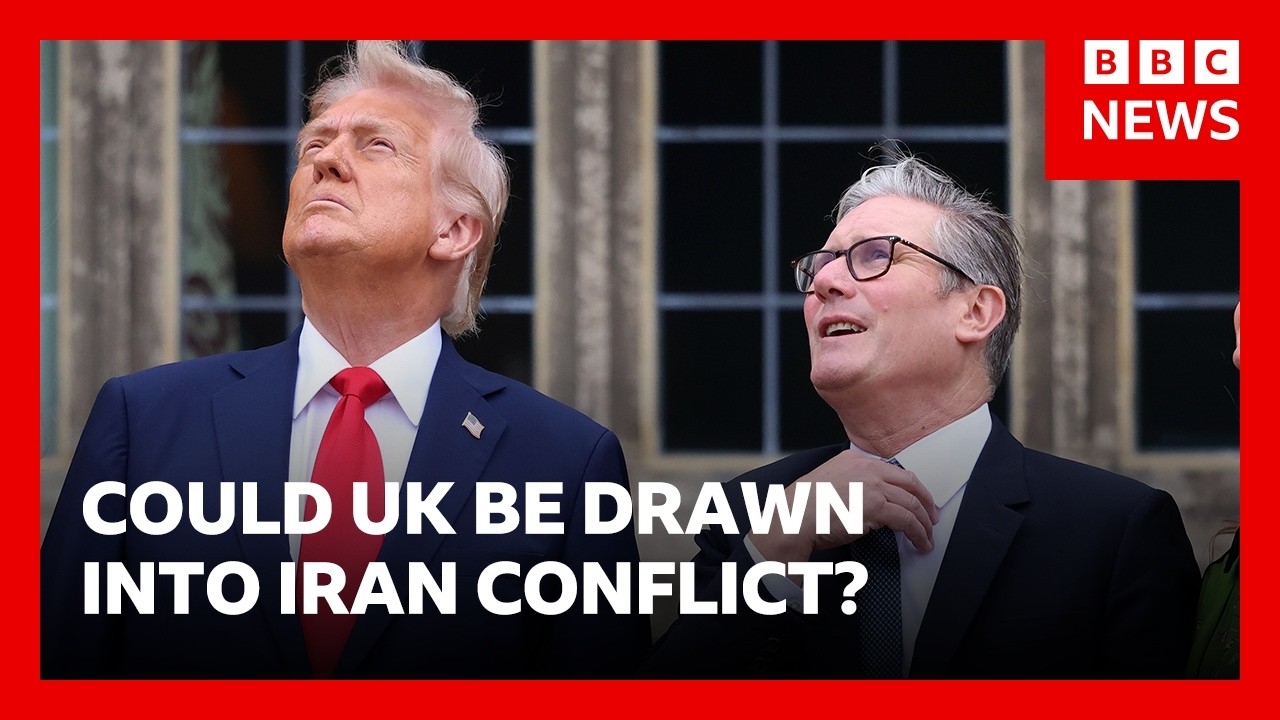
In recent weeks, the world has witnessed escalating tensions in the Middle East, spurred on by actions that many are characterizing as reckless and short-sighted. As various political analysts and commentators scrutinize the geopolitical landscape, they are increasingly alarmed by the likelihood of drawing the United Kingdom into an open conflict without a clearly defined endgame. A key player in this volatile scenario is former President Donald Trump, often described as a "global chaos generator," whose impulsive actions could potentially set off a chain reaction of events with catastrophic implications.
A heated discussion highlights the dilemma: why should Britain become embroiled in a conflict lacking a clear understanding of its long-term ramifications? The situation has evolved rapidly, prompting serious questions about the rationale for military engagement. According to some political leaders, the UK has made two distinct decisions regarding involvement in military actions, particularly those involving the United States and Israel. The first is a refusal to partake in initial strikes on Iran, yet there remains an obligation to defend British interests and personnel if they are threatened.
The current operations hinge not only on the safety of British nationals but also the need for coherent leadership. Approximately 300,000 British citizens are reportedly at risk, and the priority remains their extraction and security. Reflecting on this chaotic backdrop, a former foreign secretary has emphasized that every military engagement comes at a cost, and few outcomes are ever guaranteed.
Iran’s nuclear aspirations are under increasing scrutiny, as it has been accused of covertly advancing its nuclear capabilities. The sentiment echoed by several commentators is that if Israel perceives an imminent threat, it is unlikely to hesitate in taking action. Historical precedents illustrate that nations, especially those under threat, prioritize national security, often leading them to act unilaterally.
Despite common assertions to the contrary, recent actions prompted by the United States have raised serious concerns about Britain’s military credibility. Critics have suggested that the UK’s reluctance to allow the U.S. to utilize British air bases may have diminished its standing in international circles. Consequently, an undercurrent of frustration is palpable—has the British government been slow and indecisive when decisive action was warranted?
Compounding this issue is a perception that the UK military has been unprepared for swift deployment. A delayed dispatch of naval assets to the region has implications not only for immediate military readiness but also for the broader question of national security. Critics within the defense community have voiced concerns regarding operational inefficiencies, questioning why military assets were not promptly mobilized in response to rising tensions.
Public sentiments reflect a divergence of views, with many constituents expressing reluctance to support any conflict initiated by Trump, given his unpredictable foreign policy. The underlying fear, articulated by various members of the audience, is that engaging in this conflict could lead to unforeseen consequences, including mass human suffering. With the prospect of refugee crises and regional instability looming, the stakes have never been higher for all involved.
Perhaps most alarmingly, there are warnings that military action may fail to achieve its stated objectives. Observers have pointed out that if the region devolves into chaos, the vacuum created could draw in extremist groups and destabilize neighboring states. The long-term question remains: what comes next if the Iranian regime is toppled? Without a comprehensive strategy for governance in the aftermath, the risk of exacerbating regional instability rises dramatically.
Ultimately, the current debate reflects a broader theme of international relationships shaped by trust and credibility. The UK faces a crucial juncture—balancing its historical ties with allies and its national interests while being cautious not to engage in conflicts that serve only to reinforce cycles of violence and chaos.
As divisions deepen both within the political sphere and among the general populace, it is evident that the need for a clear-eyed analysis of the situation is paramount. Navigating these treacherous waters requires not just military might but also a commitment to fostering diplomatic solutions that prioritize human welfare over geopolitical spectacle. The decisions made today will undoubtedly resonate long into the future, serving as a reminder of the complex interplay between power, responsibility, and morality in international relations.