Tensions Escalate: Deadly Incident Reveals Underlying Crisis in Cuban Waters
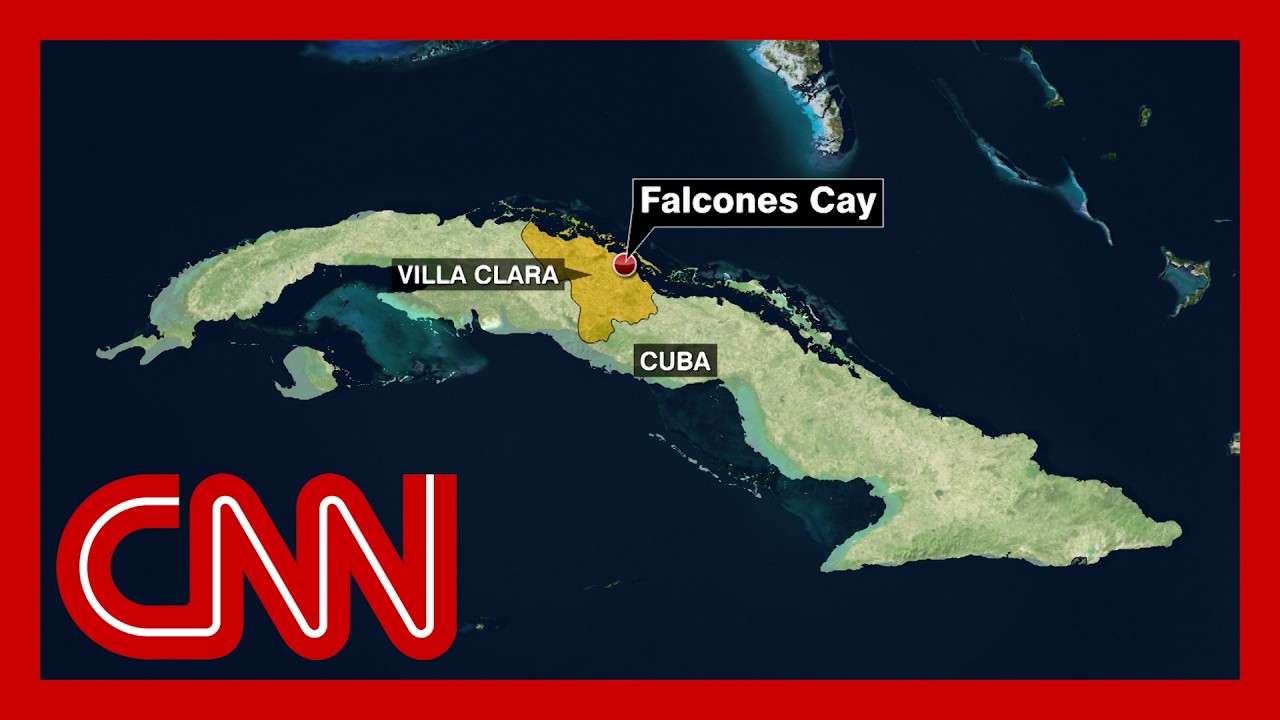
A tragic shooting incident off the coast of Cuba has drawn immediate international attention, highlighting both the escalating tension on the island and the complex geopolitical dynamics at play. According to the Cuban Interior Ministry, border guard troops engaged with a speedboat attempting to infiltrate Cuban waters on Wednesday, resulting in the deaths of four individuals and injuries to six others. The speedboat, registered in Florida, reportedly carried Cuban nationals residing in the United States, and the government claims that one passenger opened fire on border guards, igniting a violent confrontation.
This confrontation occurred near the northernmost tip of Cuba, the geographic point closest to Florida. Disturbingly, the attack coincides with broader concerns about the current socio-economic crises facing the island, further magnifying tensions between Cuba and the United States.
Current estimates indicate that six individuals have been apprehended by the Cuban government amidst allegations of terrorism, with accusations regarding their roles in orchestrating this brazen attempt to breach the island’s sovereignty. U.S officials, including Secretary of State Marco Rubio and Florida’s Attorney General, have called for a thorough investigation. They urge caution in trusting the Cuban government’s narrative about the incident, given the long-standing hostility between the two nations. This skepticism is reinforced by the historically tense relationship, with over sixty years of conflict and discontent shaping governmental and public attitudes on both sides.
The international community is closely watching these developments, especially since the potential geopolitical implications could signal a broader crisis. Notably, the aftermath of this incident is compounded by Cuba’s dire economic conditions. The withdrawal of Venezuelan support—including oil shipments—has exacerbated the already precarious energy crisis in Cuba. Daily power outages have become routine, underscoring the disarray within the island’s infrastructure. Efforts to appeal for humanitarian aid from neighboring countries like Mexico and Canada have been met with resistance, contributing to the hardship faced by Cuban citizens.
Following the shooting, Russia—a close ally of the Cuban government—issued a statement highlighting humanitarian concerns. Dmitry Peskov, the Kremlin’s spokesperson, emphasized the necessity of resolving the Cuban humanitarian situation without interference. With the U.S. imposing restrictions on oil shipments to the island, the humanitarian needs are growing increasingly stark.
These complex dynamics could catalyze a shift in Cuban governance. U.S. officials have maintained that regime change in Cuba is not only necessary but imminent. Given the Cuban government’s observed mismanagement of resources and public discontent, the internal pressures could lead to significant unrest. The current situation presents an inflection point; actions taken by both the U.S. and Cuba in the wake of this incident could reverberate through diplomatic channels for years to come.
In the U.S., the investigative response will be critical, particularly regarding whether Cuba will allow international observers or American officials to conduct their inquiry. If cooperation is denied, this may escalate tensions further, pushing both nations toward a more adversarial stance. The historical backdrop of U.S.-Cuba relations makes this scenario particularly volatile.
As the nation grapples with the fallout from this recent incident, the specter of growing unrest looms over Cuba—a nation struggling under the weight of economic collapse and political repression. With hopeful transitions and regime change being hot topics among U.S. officials, genuine concern arises for the Cuban populace. As Marco Rubio and other policymakers advocate for political reform in the island nation, the world watches closely, aware that the course of events has the potential to alter the fabric of Cuban society dramatically.
The implications of this incident extend beyond Cuba’s borders. As the U.S. and international community evaluate the unfolding circumstances, one thing remains clear: the quest for a stable and secure life in Cuba is marked by turmoil, igniting aspirations that may ultimately shape a new era in U.S.-Cuban relations.