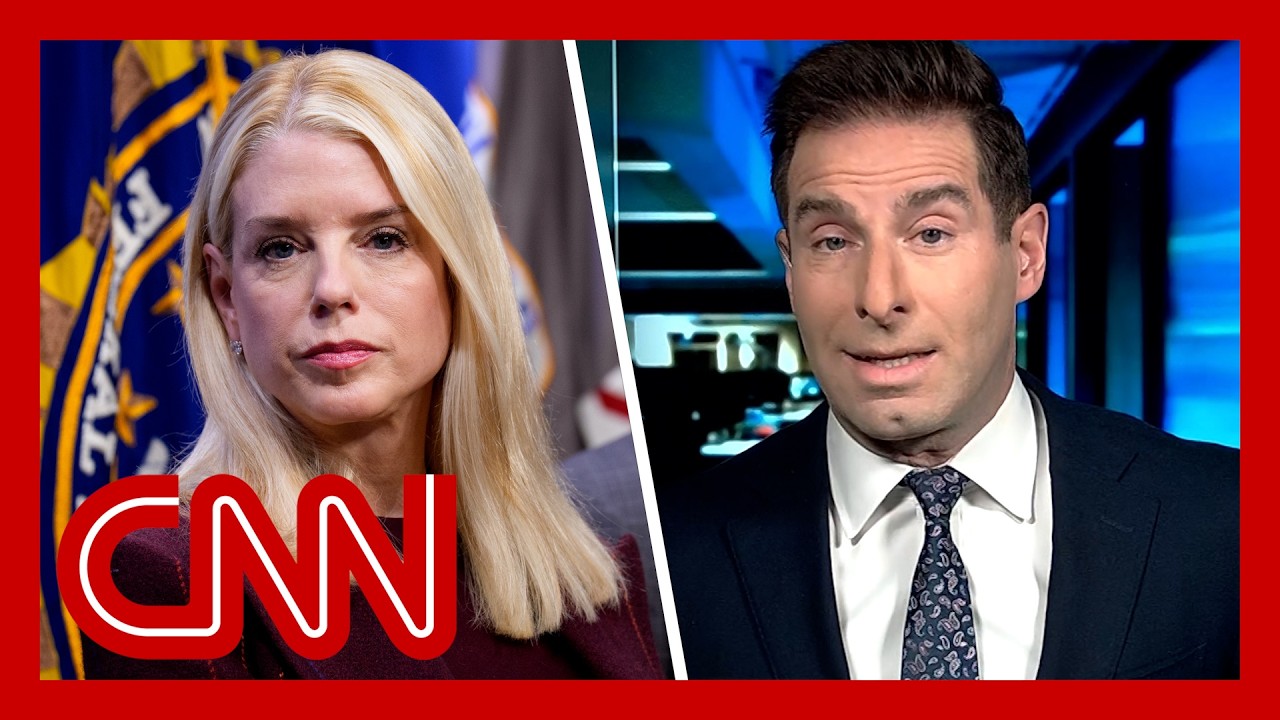
Accountability in the Epstein Files: The Obligation for Transparency
As discussions continue in Congress regarding the handling of the Epstein files, a legal conflict is brewing that could see former Attorney General Pam Bondi facing contempt charges. The House Oversight Committee has made it clear that if Bondi, who was recently fired, fails to appear for her scheduled testimony, they will consider holding her in contempt of Congress.
The backdrop to this unfolding drama includes the Justice Department’s recent assertion that since Bondi is no longer in her official capacity as attorney general, a subpoena compelling her testimony is no longer valid. This claim has been met with skepticism, particularly from committee members who stress that a subpoena is a command directed at the individual, not the office. As former federal prosecutor Elie Honig pointed out, Bondi possesses the same information she held a week ago when she was still serving as attorney general.
Democratic Congressman Garcia has signaled his intent to pursue contempt charges should Bondi not appear. The implications of this are significant; if the House were to vote for contempt, the decision could be sent to the Justice Department for potential prosecution. The political ramifications are complex, as it remains uncertain if the current leadership at the DOJ would prioritize action against Bondi, particularly given their stated goal of transparency.
Congresswoman Nancy Mace, who initially spearheaded the subpoena effort, echoed the necessity for Bondi’s accountability when she stated, “The American people deserve answers, and we expect her to appear.” Her sentiments capture a mounting pressure among legislators to pursue clarity regarding the Epstein files, which could implicate powerful figures, including former President Donald Trump.
Yet the issue is not merely legal; it is deeply tied to public sentiment and electoral implications. With a critical midterm election on the horizon, lawmakers across party lines recognize that the handling of this situation could affect their political fortunes. There is a strong desire from constituents for clarity, particularly for survivors seeking justice, who have continuously called for accountability for the mishandling of the Epstein files.
The argument that Bondi’s status as a former attorney general nullifies the subpoena is seen by many as insufficient. The core issue remains that the information sought in the subpoena is vital for understanding decisions made during a tumultuous period regarding Epstein’s complicity and the release of pertinent documents. Survivors and advocates are crying out for transparency, pushing back against a narrative that suggests Bondi, or any official, can evade accountability simply due to a title change.
Congressman James Walkinshaw has been outspoken, emphasizing the need for Bondi to appear and answer questions related to the decisions surrounding the Epstein files. His assertion underscores a critical point: the ongoing struggle for transparency is not solely about political maneuvering; it is about ensuring that victims of sexual abuse are given the attention and respect they deserve.
As discussions are framed around potential contempt charges, it raises broader questions about the legal mechanisms available for accountability. Should Congress proceed with a civil route, fines could be levied to encourage compliance. The stakes are high—not only for Bondi but for the integrity of the Justice Department and its commitment to upholding the law.
The fabric of public trust is at risk; survivors feel increasingly betrayed as the specter of political maneuvering looms over potential testimonies. Ultimately, both sides of the aisle will need to reconcile political interests with the pressing moral obligation to provide answers to those wronged by the failures of the past. Both the Justice Department and Congress must ensure that accountability prevails, not only for legal sake but for the principles of justice that underpin democracy. The fight for transparency hasn’t ended; it’s merely evolving, and it is one that will command attention in the days and months to come.