The Strategic Implications of the Strait of Hormuz: Analyzing Iran’s Actions and U.S. Naval Strategy
In a tumultuous political climate, President Donald Trump has asserted that he is the one responsible for keeping the Strait of Hormuz closed, a vital maritime corridor for global oil shipping. His assertions coincide with Iran’s financial disintegration, with reports indicating that Tehran is losing approximately $500 million daily. The Iranian military and police forces are reportedly facing delays in pay, highlighting the dire financial straits the nation is in. As tensions mount, the implications for international shipping through the Strait of Hormuz become increasingly significant.
Kenneth Braithwaite, former Secretary of the Navy during Trump’s first term, addressed these complexities, stating that Iran’s actions—particularly its seizure of ships in the area—reflect a desperate gambit. The U.S. has deployed a formidable naval presence, including three carrier strike groups, two amphibious readiness groups, and over ten destroyers, creating an unprecedented show of force in the region. This bolstered naval armada aims to detain Iranian aggression while navigating the narrow confines of the Strait, which spans only two miles at its narrowest point.
The strategic situation raises questions about Iran’s naval capabilities. While the Iranian Navy has been severely diminished, it still possesses a small yet agile force known as the Republican Guard Navy. Armed with speedboats and various weaponry, these vessels can effectively swarm and pose challenges, albeit asymmetrically, to a vastly superior U.S. Navy. The quality of the Iranian fleet may have deteriorated, but as Braithwaite noted, the confined environment of the Strait complicates operational efficiency for even the world’s best navy.
Complicating matters, the ongoing ceasefire extends without a designated end date, further muddying the waters. Braithwaite suggests that to advance U.S. strategic objectives—particularly regarding enriched uranium—there may be a need for ground forces. However, this notion seems untenable, given domestic opposition in the U.S. Consequently, the Trump administration may seek a diplomatic resolution that ensures not only the opening of the Strait but also the confiscation of Iran’s uranium assets.
Communication breakdowns in Tehran signal significant fractures within Iranian leadership, impacting their military command structure. This uncertainty could be a strategic advantage for the U.S., as the ambiguity may hinder coordinated responses from Iran’s military apparatus. The command dynamics, once dictated solely by the Supreme Leader, now exhibit fragmentation and disorder.
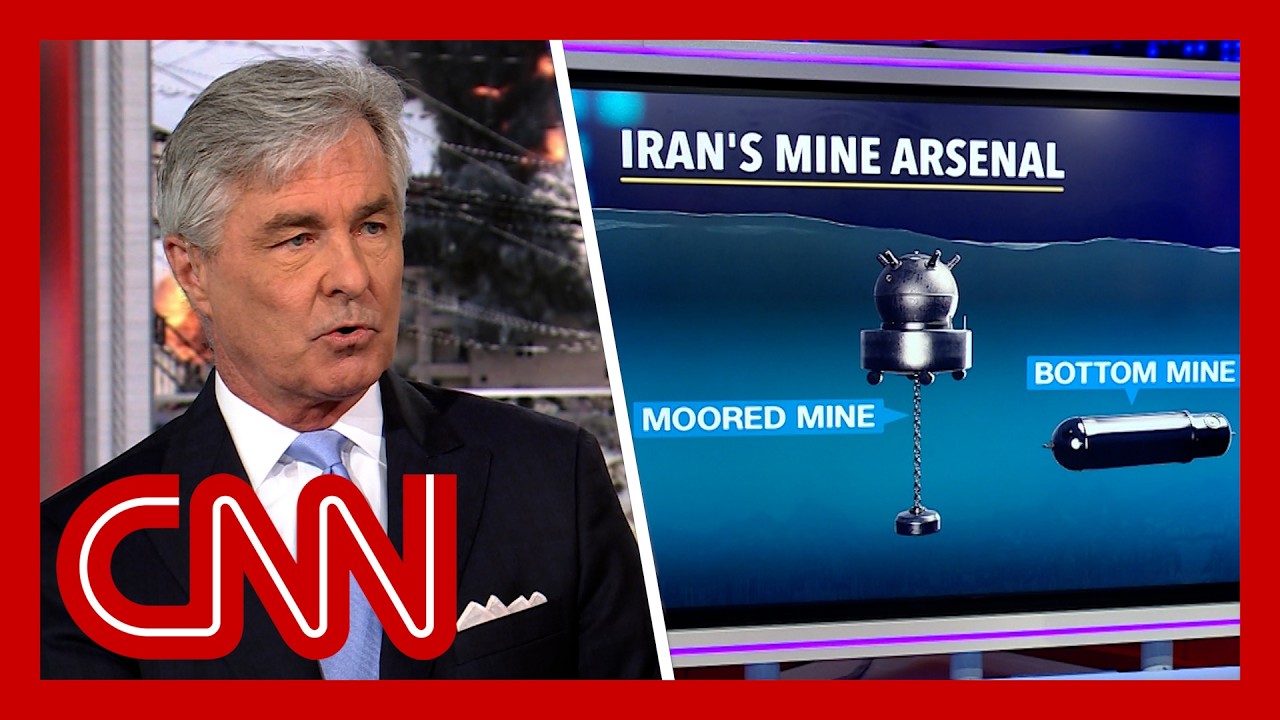
As naval maneuvers intensify, the risk of naval mines arises. Tom Sauer, a former Navy explosive ordnance disposal officer, elaborated on the types of mines potentially deployed by Iran. Moored mines, which can be sophisticated and designed to evade detection, represent one of the key threats to maritime security in this volatile area. While the U.S. Navy has effectively neutralized a majority of Iran’s mine-laying capabilities, lingering threats still exist, underscoring the delicate nature of operations in the Persian Gulf.
The humanitarian implications for seafarers trapped in this conflict are dire. Approximately 20,000 mariners have been ensnared in the Persian Gulf, facing mounting psychological pressures and dwindling supplies essential for their sustenance. The ongoing crisis complicates port access and increases the likelihood of sanitary and food shortages, thus deteriorating the already dire conditions aboard their vessels.
Moreover, the geopolitical ramifications extend beyond mere economic metrics. An Iranian general’s threat to impact global shipping routes in the Red Sea epitomizes Iran’s leverage within a precarious global economic framework. Should the conflict escalate, the repercussions could reverberate throughout international markets, exacerbating instability in oil prices and global commerce.
This multifaceted scenario reveals a confluence of military strategy, international diplomacy, and humanitarian concern. As the U.S. Navy maintains its vigilant presence, the intersection of these elements—boasting military might while necessitating diplomatic finesse—will be crucial for navigating this perilous landscape. Maintaining openness in the Strait of Hormuz is not merely a tactical goal; it is a linchpin for global economic stability in times of uncertainty. As both nations confront this intricate web of challenges, only time will reveal the path toward resolution—or further escalation.