The recent escalation in conflict dynamics in the region marks a significant departure from conventional military engagements. What began as an exchange of attacks on military installations has now evolved into a broader and more alarming strategy targeting civilian and economic infrastructure. This change underscores a troubling trend where the implications of warfare extend far beyond the battlefield, impacting nations that are not directly involved in the hostilities.
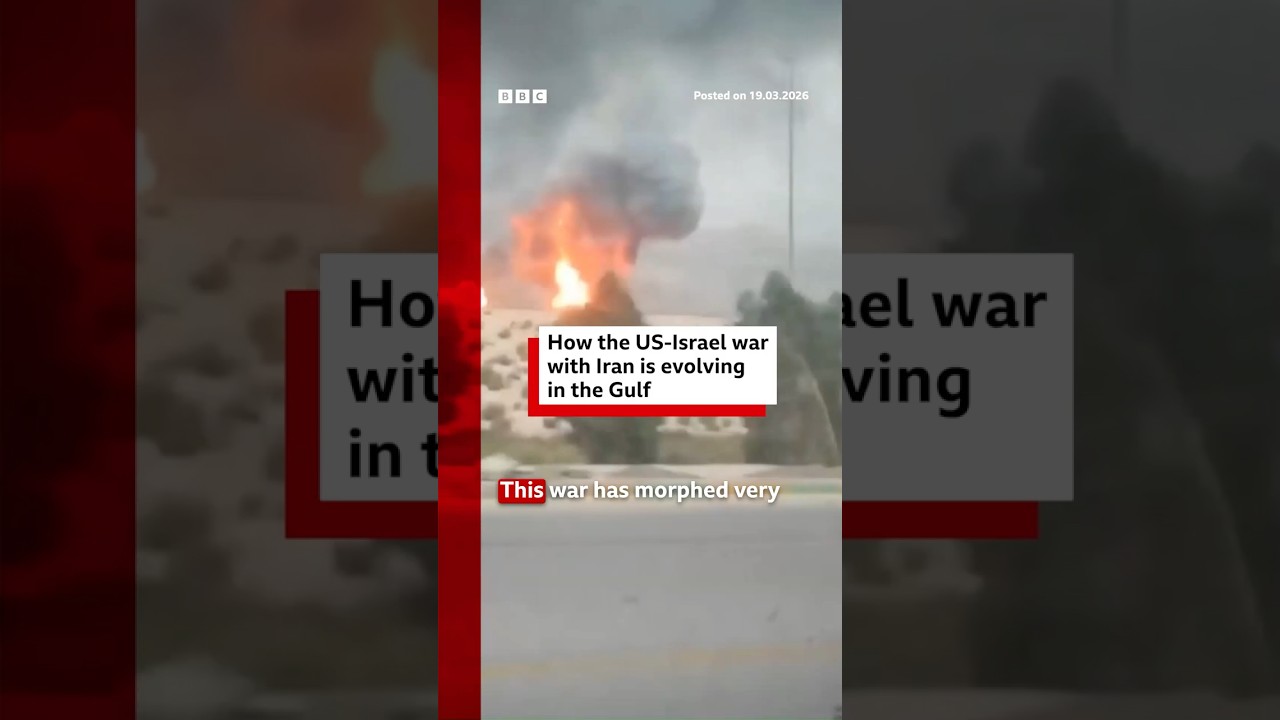
Qatar, a nation that has maintained a neutral stance in the ongoing conflict, finds itself at the epicenter of this new and dangerous landscape. The recent attack on the Russ Leafan terminal—a key gas processing site situated approximately 50 miles, or 80 kilometers, from Doha—has fueled the fury of Qatari authorities. The facility’s damage serves as a stark reminder of how the repercussions of war can reverberate across borders, affecting countries that have remained on the sidelines.
Iran’s launch of missiles is no mere act of aggression; it is a calculated response to Israel’s airstrike on its South P terminal. This move has widespread implications, signaling that the conflict is increasingly intertwined with economic warfare. The striking of economic targets, which includes essential infrastructure such as gas processing facilities, raises alarms for Gulf states whose economies are heavily reliant on energy exports. This evolving strategy poses a direct threat to the region’s economic stability, as vital resources and infrastructure become pawns in the greater geopolitical chess game.
The specter of civilian infrastructure being targeted introduces a new level of complexity to the crisis. It challenges the traditional notions of warfare, blurring the lines between combatant and non-combatant. When civilian assets form the basis of retaliatory strikes, the entire framework of regional security comes under scrutiny. The fallout is not merely immediate; it consists of long-term ramifications that could alter economic relations and alliances.
Moreover, the continued possession of advanced ballistic missiles and drones by Iran signifies its readiness to extend its reach and influence within the Gulf region. This arsenal, coupled with a willingness to engage strategically, poses a challenge for both regional and global powers. The ramifications of Iran’s military capabilities extend well beyond immediate retaliation; they threaten to destabilize the equilibrium within which Gulf economies have operated for decades.
The economic interdependence among Gulf nations adds another layer of complexity to the situation. These countries share a fragile balance, relying on one another not only for security but also for economic prosperity. An attack on one nation can spiral into a series of retaliatory measures, thereby creating a web of hostility that ensnares even those who have taken no part in the conflict. As Qatar reluctantly becomes embroiled in this situation, its stance may have to be recalibrated.
The region stands on a precipice where the potential for expanded conflict is palpable. As civilian and economic targets increasingly become the focus of military strategies, the risk of broader regional instability looms large. The international community must take note; a failure to address the implications of these developments could lead to a protracted cycle of violence that reaches far beyond the borders of the primary actors involved.
In conclusion, this transformation of warfare from targeted military engagements to a strategy that incorporates civilian and economic infrastructures poses a grave threat to the Gulf region. Countries like Qatar, initially uninvolved in the conflict, are now facing the fallout from escalating tensions. The consequences of this shift in strategy are profound, highlighting the interconnectedness of modern geopolitical affairs. The need for diplomatic dialogue has never been more urgent, as the stakes continue to rise and the potential for wider conflict remains at the forefront of national security concerns.