A Shift in Airport Security: The Role of ICE and Its Implications
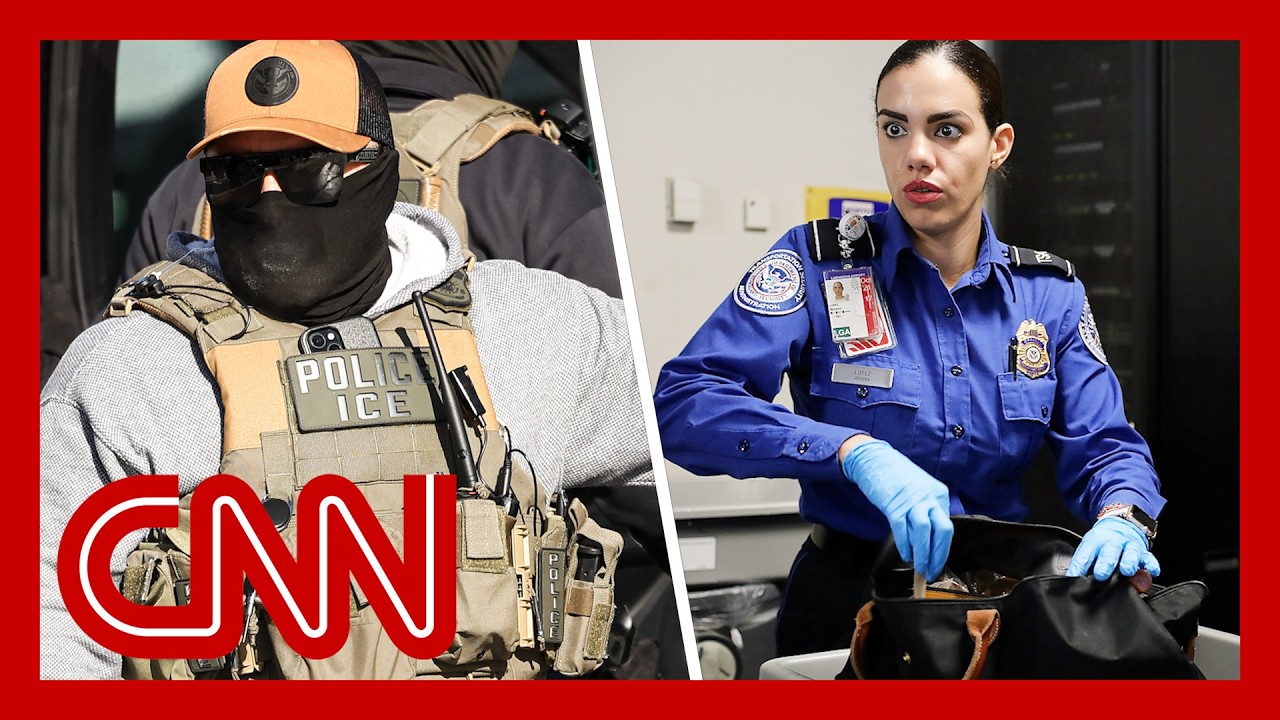
In a significant move, former President Donald Trump recently announced plans to deploy Immigration and Customs Enforcement (ICE) agents to airports across the United States if agreements for enhancing airport security are not signed by the Democratic Party. His intention seems clear: to reclaim safety at American airports and reduce passenger wait times. However, this initiative raises numerous questions about its practicality, efficacy, and implications for travelers.
Trump’s announcement posted on Truth Social mentioned his direction to agency heads to prepare for immediate action, indicating that ICE agents would begin their roles as early as Monday. But this urgency does not align with the inherent complexities of airport security. A crucial question emerges: Are ICE agents sufficiently trained to handle the unique demands of airport security, particularly in conjunction with the Transportation Security Administration (TSA)?
Proponents of the plan state that many ICE agents already serve at airports, focusing on investigations and smuggling operations. However, some experts remain skeptical. While ICE agents undergo rigorous training, their expertise lies in immigration enforcement and customs operations rather than the specialized methods employed by TSA personnel. The effective screening of baggage or operating X-ray machines requires different skill sets honed through TSA’s dedicated training programs.
The intention behind deploying ICE agents appears to focus mainly on crowd control, particularly at airport exits. By repositioning TSA agents to critical screening roles, advocates hope to alleviate long lines, which have been exacerbated by workforce shortages in the TSA. Indeed, travel delays and congestion have become a source of frustration for many, especially at major airports. The emphasis on reducing wait times warrants consideration, but it must be balanced against the need for effective and knowledgeable personnel in security-sensitive roles.
An important context for this initiative is the ongoing struggle faced by TSA in maintaining staffing levels. Reports indicate that the TSA has seen significant employee attrition, complicating their operational efficiency during peak travel times. While some may argue that deploying ICE agents is a practical solution to this problem, others warn that this could lead to an intimidating environment for travelers. Concerns regarding the presence of law enforcement at airports—especially in an age marked by heightened anxiety around immigration issues—could discourage some individuals from traveling altogether.
Congress members contributing to the discussion echoed this sentiment, with notable reservations about the balance between enhancing security and ensuring a positive travel experience. For instance, Congressman Kiley pointed out that while any effort to streamline airport security is welcome, reliance on ICE could represent a temporary fix devoid of sustainable solutions such as adequate funding for the Department of Homeland Security.
Moreover, increasing the presence of ICE agents introduces questions about their dual role at airports: will they focus solely on security, or will they simultaneously engage in immigration enforcement? While ICE asserts that their role at airports will be limited to assisting TSA in operational efficiency, public anxiety persists regarding the perception of being scrutinized or targeted while traveling.
Complicating matters further is the debate between the need for enhanced security and the fear of federal overreach. Critics remind us that the historical behaviors of ICE agents have sometimes contributed to a climate of fear and mistrust among immigrant communities and their families. If agents are stationed at airports, will fears and hesitations be amplified? Will passengers be deterred by the thought of bureaucratic hurdles that extend beyond the immediate intentions of security?
Ultimately, this initiative reflects deeper systemic issues within immigration and homeland security policy, urgently crying out for congressionally developed, bipartisan solutions. As Congress faces its myriad challenges—including funding decisions impacting multiple agencies—the dialogue surrounding the deployment of ICE agents to airports must also grapple with broader questions: How do we create a security infrastructure that keeps travelers safe while fostering an environment that encourages travel and inclusivity?
This proposed redeployment of ICE agents is emblematic of a growing acceptance of law enforcement’s role in civilian spaces but raises vital questions that will likely demand comprehensive discussion, thorough planning, and broad consensus as travel continues to evolve in the modern era.