Investigating the Missile Strike in Lamerd: A Complex Narrative
In the charged atmosphere of ongoing conflict, the recent missile strike in the Iranian town of Lamerd has sparked an intense debate over accountability and attribution. Initial reports indicated that the attack likely employed a precision strike missile, commonly referred to as a PRISM, raising alarms over potential civilian casualties. However, the U.S. Department of Defense quickly countered, asserting that the missile used was not American but rather an Iranian Hoveyzeh cruise missile.
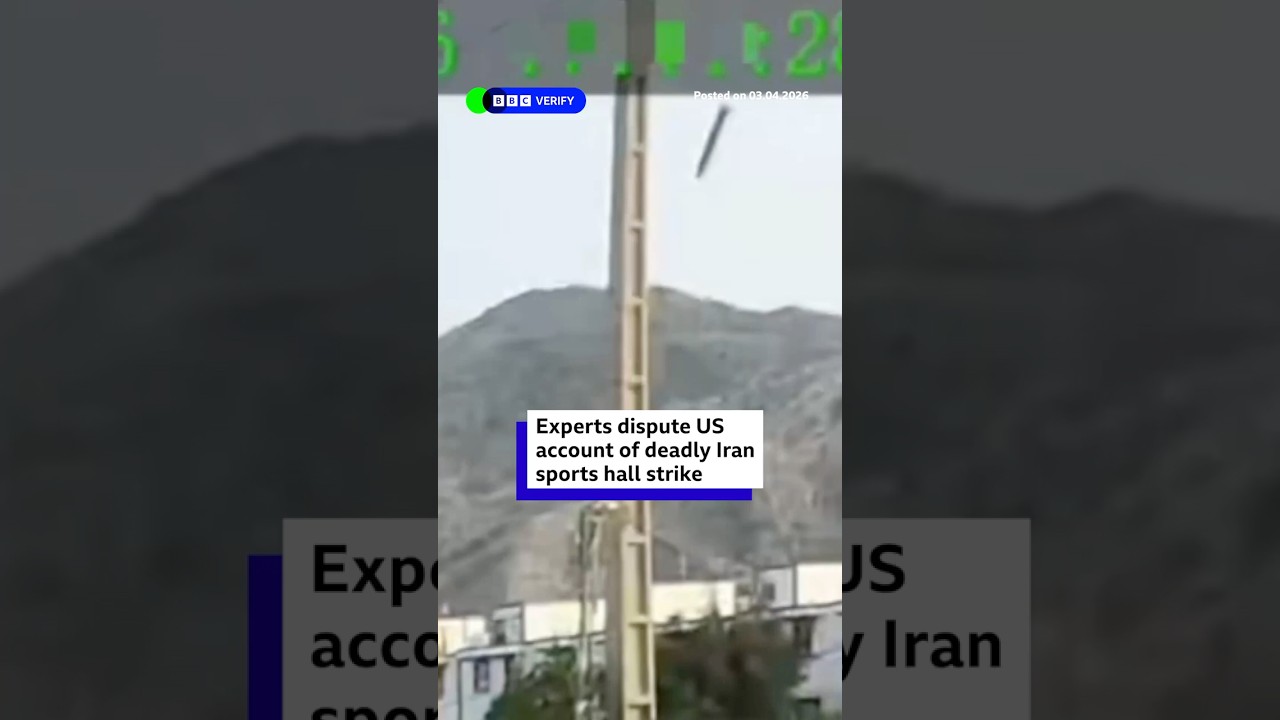
The initial investigation conducted by BBC Verify prompted a wave of scrutiny into the circumstances surrounding the missile strike. Our findings were based on expert analysis of various footage, revealing what appeared to be targeted strikes on residential buildings. Despite the grave implications of such an accusation, U.S. Central Command (CENTCOM) remained reticent in the face of increasing press inquiries. They declined to comment on the specifics of our reporting, yet issued a statement claiming that the missiles in question did not fit the characteristics of U.S. weaponry.
On the other hand, multiple experts in military technology have raised serious doubts about CENTCOM’s assertions. They noted that the Iranian Hoveyzeh cruise missile features distinctive characteristics—such as external turbojets and pronounced wings—that were absent from the Lamerd strike footage. This lack of visible features throws into question the U.S. narrative. Moreover, the manner in which the missile detonated was also inconsistent with known Iranian missile behavior. It’s widely recognized among experts that Iranian cruise missiles do not typically explode in an aerial burst with pre-made fragments, a hallmark of the PRISM system.
The analysis of aftermath photographs reveals small craters that could align with the fragmentation pattern associated with PRISM missiles. This technical detail cannot be overlooked, as it provides crucial insights into how and why the damage manifested in the way it did. Underground reports suggest that local authorities have recorded civilian casualties, stating that at least 21 individuals—including four children—lost their lives in the strikes.
Further complicating the narrative, newly verified videos have indicated a potential third strike in the region, introducing another layer to this already complex scenario. Footage reveals multiple plumes of smoke and subsequent explosions. The strikes occurred in a residential area and a sports hall, situated adjacent to an Iranian military base that satellite imagery suggests remains largely undamaged. Such discrepancies merit deeper examination and consideration, especially in light of escalating tensions in the region.
The incident aligns troublingly with another series of strikes that day in Minab, where an Iranian school and nearby military installations were also targeted, resulting in an alarming death toll of 168, according to local officials. The scale of devastation during this period raises critical questions regarding the rules of engagement and the ethical implications of military operations in densely populated areas.
U.S. Defense Secretary Pete Hegseth has publicly stated that the incident is currently under investigation, emphasizing that U.S. armed forces do not intentionally target civilian locations. Yet, as the investigation unfolds, calls for transparency and accountability will likely intensify, especially given the severe implications of civilian casualties in any conflict.
While the U.S. asserts that it operates under stringent principles designed to minimize civilian harm, the multitude of conflicting reports surrounding the Lamerd strikes demands more than cursory investigation. Each piece of evidence, from missile specifications to video footage, must be meticulously scrutinized to establish a comprehensive understanding of what transpired.
As the dust settles, the stakes remain high. In the context of ongoing military operations and the geopolitical landscape, clarity is essential—not only for deciphering the truth behind the missile strike in Lamerd but also for ensuring accountability in the conduct of states in conflict. The push for answers will undoubtedly shape the narrative moving forward, but for now, the investigation stands as a reminder of the often blurred lines in modern warfare.