The Complex Relationship Between Smartphone Use and Student Life
In recent years, smartphones have become embedded in the daily routines of teenagers. Their pervasive presence often raises questions about the impact of phone usage on academic performance, social interactions, and mental health. A recent study has shed light on this multifaceted issue, particularly examining the implications of smartphone bans in schools and their consequences on student behavior at home.
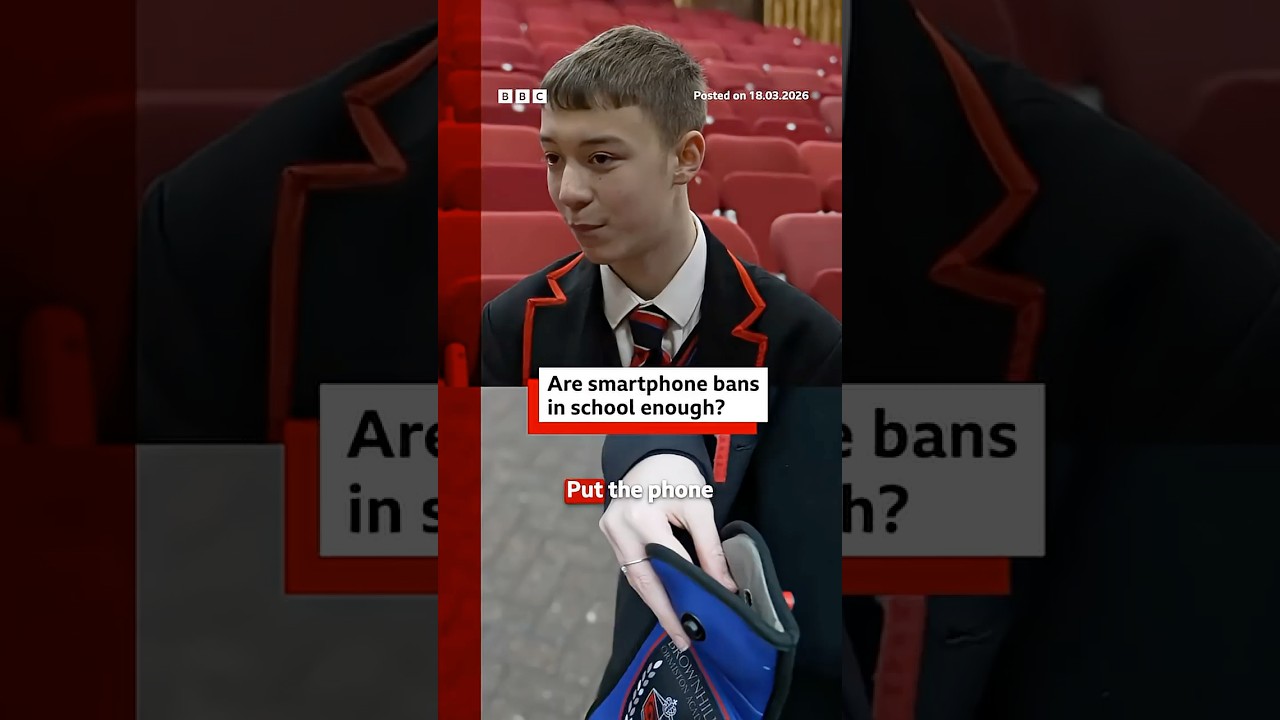
The study involved interviews with students, parents, and teachers, ultimately revealing that for many students, school is a social hub. One student shared, “When I’m in school during the day, I can socialize with my mates more.” This interaction can foster stronger friendships and improve overall well-being. However, when students return home, a different dynamic emerges. Without access to their phones during school hours, students often feel compelled to check in on social media and messages more than they would otherwise. “It’s like, ‘Oh, I need to check this. No one’s messaging me for this,’” one student remarked, highlighting how the absence of their phones at school leads to a frantic need to catch up afterward.
The study noted a troubling trend among students in schools with smartphone bans. Many found themselves compensating for lost screen time by increasing their usage at home. While this shift may seem harmless, it has significant consequences. Students reported prioritizing phone use over essential activities such as homework, exercising, and even getting a good night’s sleep. The figures are alarming: teenagers who might otherwise engage in physical activity or meaningful family interactions instead retreat into the digital world, scrolling through feeds and responding to notifications late into the night.
Nevertheless, the research is not entirely negative regarding smartphone bans. The benefits are noteworthy. Schools that implement these bans often observe fewer distractions in the classroom, leading to improved focus and academic performance. One student noted, “I think my friends are a lot less worried about social media, and we’re actually having social encounters.” This shift not only promotes healthier relationships but also supports mental well-being, as real-life interactions can mitigate the pressures exerted by online personas and constant connectivity.
On the other side of the spectrum, schools that allow phone usage present a more complicated scenario. For some students, especially those who might feel socially isolated, devices can serve as a lifeline, providing them with a sense of connection. They can engage with peers virtually, easing feelings of loneliness they might experience in physical settings. However, this advantage comes with significant risks, such as bullying and the sharing of inappropriate content, like mug shots of classmates. Thus, the benefits of phone usage in schools are often counterbalanced by negative outcomes, creating a dilemma for educators and parents alike.
The study presents no clear solution. The challenge lies in addressing the balance between phones as tools for connection and sources of distraction. For parents and educators, it’s crucial to facilitate thoughtful conversations about technology’s role in students’ lives. Encouraging open dialogue about responsible smartphone usage and setting boundaries can empower teenagers to make better choices both at school and home.
In conclusion, navigating the intricacies of smartphone usage among teenagers is no easy task. The findings of this study underscore the pressing need for nuanced discussions and policies that consider both the benefits and drawbacks of technology in educational settings. As society grapples with the evolving role of smartphones, fostering a culture of mindfulness and intentionality around their use will be essential for nurturing healthier, well-rounded students.