Analyzing the Economic and Political Ramifications of the Iran War
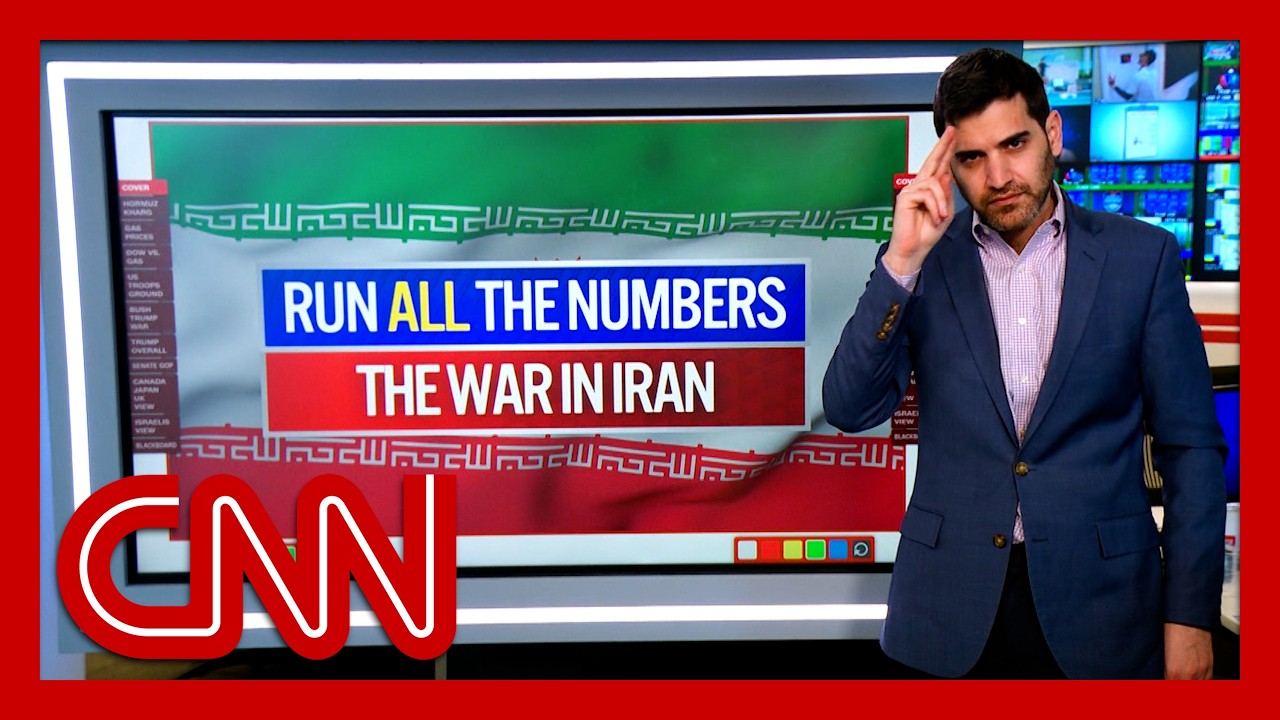
The ongoing war in Iran has initiated a whirlwind of changes, resonating far beyond the Middle East. While media outlets often provide fragmented narratives, a comprehensive analysis reveals a myriad of impacts on global economies, political landscapes, and public sentiment.
Key terms have emerged, particularly "Kharg Island" and the "Strait of Hormuz," both vital for Iran’s oil exports. As conflict escalated, Google searches for these locations surged, demonstrating a newfound public interest in their significance. In March, searches for Kharg Island skyrocketed by a staggering 20,000% compared to the previous month. The Strait of Hormuz also saw a remarkable increase of 1,900%. These figures highlight the direct correlation between geopolitical events and public awareness.
As the war unfolded, US gas prices spiked dramatically. In just four weeks, we witnessed the largest increase since at least 1991. An unprecedented 33% rise in gas prices marked a pivotal shift, reflecting the severe disruptions in oil supply chains stemming from the conflict. This escalation in fuel costs has not only angered consumers but also placed an immense strain on the overall economy. The Dow Jones index, for instance, has plummeted by 8% since the conflict began, entering correction territory—a stark reminder of the war’s ripple effects on economic stability.
Public sentiment regarding ground troop deployment in Iran reveals an overwhelmingly negative outlook. A recent AP-Norc poll indicates an alarming 12% support for sending US troops to Kharg Island. Importantly, public opposition transcends party lines; approximately 60% of Americans oppose the idea, including a significant number of Republicans. This sentiment underscores a broader reluctance towards military engagement, compounded by previous experiences in foreign conflicts.
Former President Donald Trump faces dwindling approval ratings amid the chaos. Comparing his current standing to that of George W. Bush during the Iraq War highlights a stark contrast. While Bush experienced a temporary boost in approval ratings, Trump finds himself underwater, with a net approval rating of -17%. Historically, his standing at this juncture is the lowest of any president in recent history, revealing profound discontent among constituents.
These trends are likely to have electoral ramifications, particularly as midterm elections approach. Despite not being on the ballot, Trump’s current decreased popularity may affect Republican candidates nationally. Voter sentiment suggests a potential shift in the electoral map, with projections indicating a tight race for Senate control. The war in Iran could further complicate Republican chances, as public discontent with military involvement may sway voters towards Democratic candidates.
International perspectives on the conflict further complicate matters. Allies like Canada, Japan, and the UK exhibit significant disapproval of US military actions in Iran, with net approval ratings hovering below -30. In contrast, the view in Israel stands in stark opposition. Approximately 66% of Israelis express satisfaction with the war’s outcomes, demonstrating a divergent perspective shaped by regional dynamics.
As the situation unfolds, the implications for US foreign policy and domestic governance become increasingly intricate. The war in Iran has catalyzed a multifaceted crisis—one that shapes gas prices, stock market behaviors, and public opinion. Moving forward, the effectiveness and popularity of US military engagement will undoubtedly influence political narratives and electoral outcomes both at home and abroad.
In summary, the war in Iran is more than a distant conflict; it is an unfolding crisis with vast economic and political repercussions. From soaring gas prices to fluctuating approval ratings, the ripple effects are palpable in every corner of the globe. As stakeholders evaluate these changes, understanding the interconnectedness of these events becomes crucial for navigating the future. What lies ahead remains uncertain, but one thing is clear: the numbers tell a compelling story that we must continue to scrutinize.