Tragedy Strikes at LaGuardia: Air Canada Plane Crash Claims Lives and Shakes Aviation Community
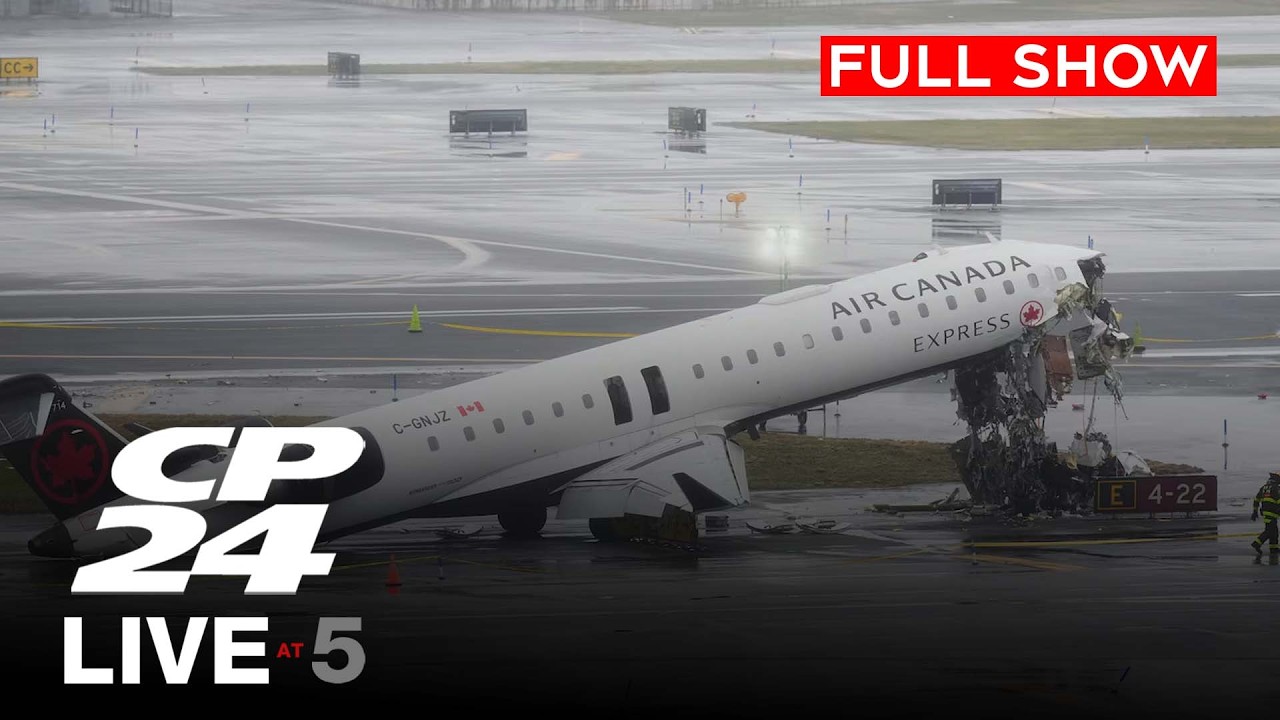
Last night, a devastating incident at New York’s LaGuardia Airport involved an Air Canada aircraft, resulting in the tragic deaths of two pilots and sending over 40 passengers to hospitals. This catastrophic event took place around 11:40 PM when the aircraft, arriving from Montreal, crashed into a fire truck authorized to traverse the runway. The collision has raised serious questions about operational safety at one of the busiest airports in America.
The Incident and its Immediate Aftermath
Air Canada Flight 8646 was carrying 72 passengers and 4 crew members at the time of the crash. Among those who lost their lives was Captain Antoine Poirier, who was reportedly at the beginning of his career. The collision immediately triggered chaos within the cabin, as terrified passengers woke abruptly to a jarring impact. Eyewitness accounts describe the pandemonium: "We immediately hit something… and it was just chaos in there," recalled one passenger. Injuries ranged from minor to serious, with many requiring urgent hospital treatment, underscoring the sheer scale of the incident and its human toll.
Video footage obtained by CP24 revealed frantic pleas from air traffic control urging the fire truck to halt as the airplane approached. The circumstances leading to the crash, particularly the communication and decision-making processes between ground personnel and air traffic controllers, are of primary concern to investigative bodies overseeing the incident.
Investigative Response and Safety Measures
U.S. aviation authorities have vowed to conduct a thorough investigation into what went wrong. The National Transportation Safety Board (NTSB) has deployed a team to scrutinize the circumstances surrounding the crash. "We are committed to a full, transparent investigation," stated a representative during a press briefing. With the air traffic controller on duty at the time under investigation, authorities are expected to audit his work history, analyze communications, and examine flight data. The retrieval of the aircraft’s black boxes will play a crucial role in piecing together the series of events that led to this tragedy.
Historically, such runway incursions are rare, making this incident particularly alarming for the aviation community. "Although there have been vehicle incursions, a direct collision like this is extraordinarily uncommon," noted aviation specialist Phil Derby. The fallouts from this incident could, consequently, provoke inquiries into systemic safety protocols at major airports.
Impact on Canadian Operations and Flight Cancellations
In response to the crash and following the temporary shutdown of LaGuardia’s operations, Pearson International Airport in Toronto saw significant disruptions, with 14 flights canceled to and from LaGuardia on the day after the incident. Many passengers expressed a mix of sorrow for the lost pilots and an understanding of the incident as an unfortunate and isolated event.
A palpable tension has emerged among passengers, as thoughts of safety take precedence. “It’s unfortunate. It’s scary… but this is a very isolated incident,” remarked one traveler, summing up the emotional landscape of the aviation community following the crash.
Political Ramifications and Future Considerations
As investigations unfold, the implications of the crash extend beyond immediate safety concerns. In Toronto, discussions surrounding the future of Billy Bishop Airport—a major regional hub—have intensified. Ontario Premier Doug Ford has announced plans that may reshape the airport’s governance structure while promoting economic development. Critics argue that existing financial and environmental safeguards must be balanced against the demand for growth in a rapidly evolving aviation landscape.
As communities mourn the pilots lost in the crash, industry stakeholders are reflecting on the importance of maintaining stringent safety standards while addressing infrastructural needs. The unfolding narrative serves as a stark reminder of the delicate balance between operational efficiency and human safety—a pivotal conversation that will shape the future of aviation norms in Canada and beyond.
In conclusion, this tragic incident at LaGuardia serves not only as a point of mourning for the aviation industry but also as a critical juncture for reevaluating safety protocols that govern both ground and airborne operations. The days to come will bring significant scrutiny and, undoubtedly, profound change as investigators work diligently to ensure that such a tragedy never happens again.