Unraveling the Complexity of War: Insights from President Trump’s Address
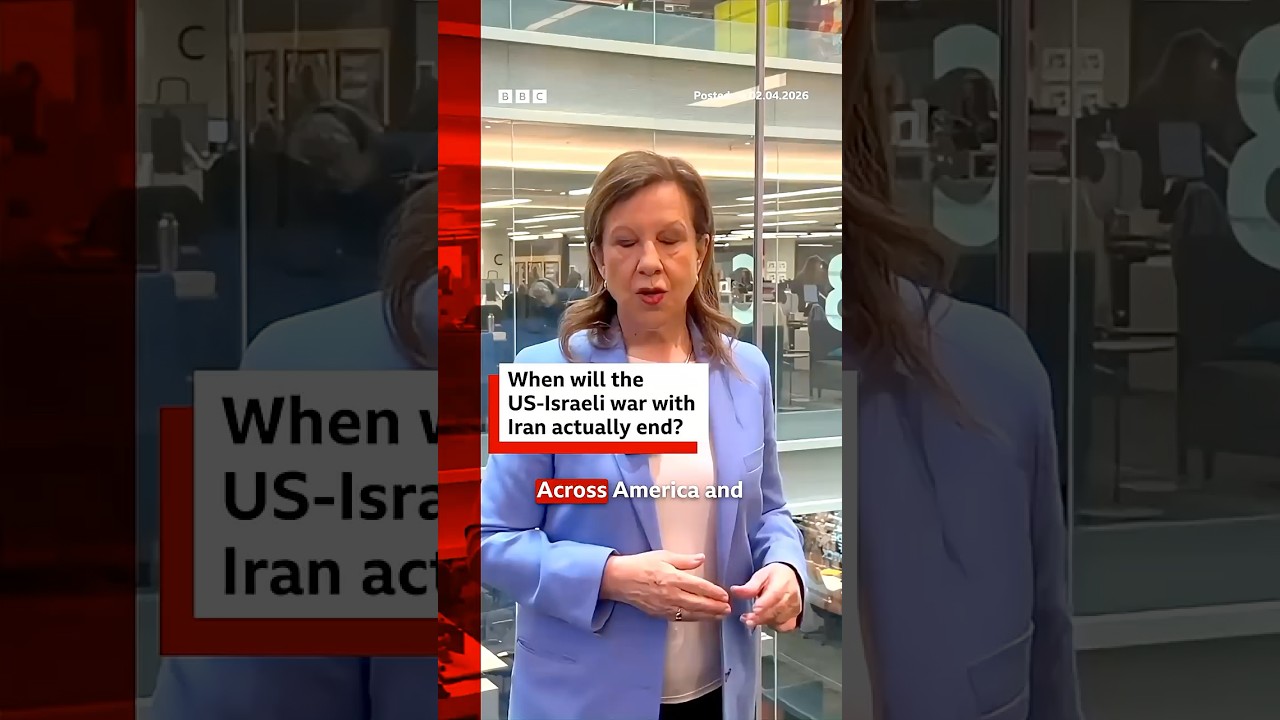
In the cacophony of current global conflicts, the question on many minds resonates with urgency: "When will this war end?" President Trump, in his recent primetime address regarding ongoing military actions, offered a perspective that, while aimed at clarity, left many feeling more perplexed than reassured. His assertion that hostilities could conclude within the next two to three weeks has sparked skepticism, especially given the fluidity of his previous deadlines.
Critics might remember Trump’s earlier proclamations from March 9th, when he confidently stated that the conflict would end shortly and that soaring oil prices would stabilize. Yet, in the aftermath of his latest announcement, oil prices have risen again—an indicator that the economic repercussions of war are far from predictable. This paradox reflects the challenges inherent in contemporary geopolitics, where swift resolutions often elude even the most assertive leadership.
Highlighting America’s storied entanglements in foreign conflicts, Trump referenced historical wars that have lasted far longer than others. Notably, the Vietnam War spanned nearly two decades, a testament to the grim reality of prolonged engagements. Trump drew a stark comparison, as we find ourselves now in the 34th day of current hostilities. His determination to suggest that this conflict is distinct and not protracted in a historical sense fails to acknowledge the complexities and unpredictabilities that characterize modern warfare.
What adds further depth to this situation is Trump’s insistence that military objectives are close to being achieved. He pledged to persistently "hit Iran very hard," going so far as to threaten to reduce the country "back to the stone ages" if a deal isn’t reached. Such rhetoric paints a grim picture not just of military strategy but of the humanitarian implications that accompany such decisive actions. The potential for these threats to escalate into war crimes, particularly through targeting critical infrastructure such as power plants, looms ominously over diplomatic efforts.
Furthermore, Trump’s dismissal of the Strait of Hormuz as "not America’s problem" raises significant concerns about international cooperation and accountability. This critical waterway is pivotal for global oil transport, and any obstruction impacts economies worldwide. By suggesting that it falls to other nations to manage the situation, Trump may inadvertently undermine collective efforts necessary for resolution. Oil prices, regional security dynamics, and international relations hang in the balance, reminding us that the implications of this conflict extend far beyond immediate military objectives.
It is also essential to ponder the path forward. Trump characterized the task of negotiating with Iran or unblocking the Strait as “not easy,” but many might assert that it is imperative. The necessity for dialogue and diplomacy in such volatile situations cannot be understated. It is the delicate balance of power, influenced by a myriad of factors—political, economic, and social—that will determine the future course of this conflict.
Moreover, the global community’s reliance on energy supplies from the Middle East highlights the interconnectedness of nations in the modern age. A unilateral approach not only risks exacerbating tensions but also jeopardizes the stability of economies that depend on the free flow of goods. The implications of such a stance could echo far and wide, complicating relations between allies and adversaries.
While assurances of a swift resolution may offer temporary comfort, the complexities of war require patience, strategy, and, above all, a commitment to peace. As we navigate this tumultuous landscape, it is vital for leaders to engage in open dialogue and international collaboration, transcending the limitations of rhetoric for the sake of lasting resolution.
In conclusion, President Trump’s address, though laden with promises, has illustrated the inherent uncertainties of war. As the world watches and awaits the outcomes of this current turmoil, clarity remains elusive. One can only hope that the path chosen will favor diplomacy over militarism, ultimately paving the way for a more peaceful future.