Global Food Security Under Threat Amidst Escalating Conflict
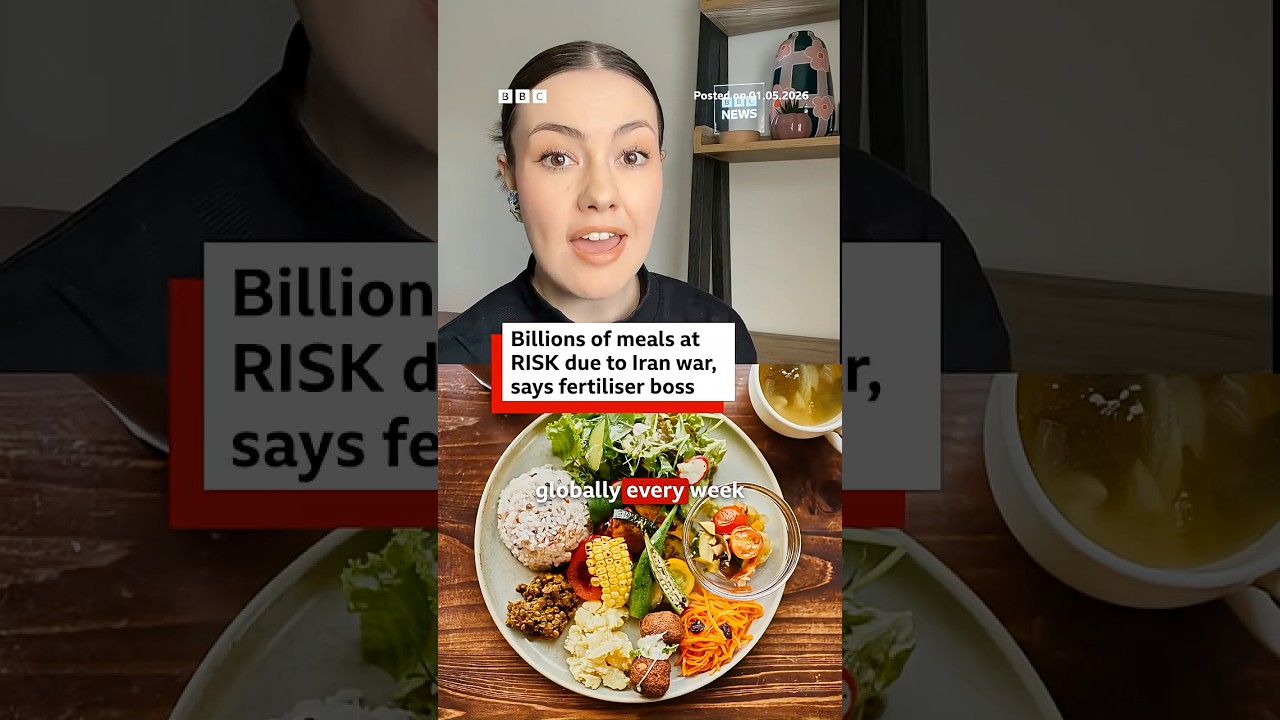
As tensions escalate in the Middle East, experts are forecasting dire consequences for global food security. Recent declarations from the chief executive of one of the world’s leading fertilizer manufacturers highlight a troubling possibility: up to 10 billion meals may be lost every week due to the ongoing war in Iran. This crisis, deeply intertwined with geopolitical conflicts, could disproportionately affect the most vulnerable nations, placing millions at increased risk of hunger.
The disruption stems primarily from the blockade of the Strait of Hormuz, a critical maritime corridor through which much of the world’s oil and agricultural products are transported. With the onset of the conflict between the US and Israel on one side and Iran on the other, this key shipping route has become perilous. As a result, supplies of fertilizers and their essential components have been severely impacted. Fertilizers play a crucial role in modern agriculture, directly influencing crop yields and, consequently, food production worldwide. The blockade threatens not only the availability of fertilizers but also the stability of global food supplies, leading to a potential crisis that could ripple through economies and societies.
Countries already grappling with agricultural challenges, particularly those in Sub-Saharan Africa, may face the most severe repercussions. Many of these nations suffer from chronic under-fertilization, which hampers their agricultural productivity. The imminent shortages in fertilizers may compound these challenges, leading to catastrophic declines in crop yields. In regions that rely heavily on consistent agricultural outputs for food security and economic stability, the ramifications could be profound. The vulnerability of these nations highlights an unsettling truth: instability in one part of the world can provoke a chain reaction, impacting communities far removed from the epicenter of conflict.
While the United Kingdom is not expected to experience significant food shortages, the economic repercussions will inevitably be felt. The Bank of England has already indicated that the escalating costs faced by food producers will begin to manifest in consumers’ weekly grocery bills in the coming months. As transportation and production costs rise, households across the UK may find themselves grappling with higher prices for basic food items. This inflationary pressure, exacerbated by geopolitical tensions, casts doubt on the stability of food affordability in a country that has historically enjoyed relative food security.
Despite the UK’s relatively robust agricultural system, the global food supply chain is interconnected. Each region relies upon various inputs, many of which originate from places impacted by conflict. Therefore, even nations insulated from the immediate effects of the war in Iran are not free from its consequences. Consumers and policymakers alike must brace for a future where price volatility becomes the norm, reshaping everyday decisions about food purchases.
In light of these developments, concerted global action is essential. Nations, international organizations, and non-profits must collaborate to mitigate the effects of disrupted supply chains. This includes diversifying sources for essential agricultural inputs, developing long-term strategies for food production, and investing in sustainable agricultural practices that could mitigate future vulnerabilities.
Moreover, the crisis lays bare the urgent need for a rethinking of global food systems. Enhancing resilience to geopolitical conflicts should be a priority for all countries, particularly those with less stable agricultural frameworks.
In conclusion, the war in Iran threatens to precipitate a serious food crisis with far-reaching implications. With warnings of billions of potential meals lost weekly, a proactive and united global approach is critically needed to address the intricate web of food security, economic stability, and humanitarian needs. The time for action is now, before the growing shadows of conflict cast an indelible mark on global food systems.