Contemporary Geopolitics: Analyzing Israel’s Position Amid Ceasefire Controversies
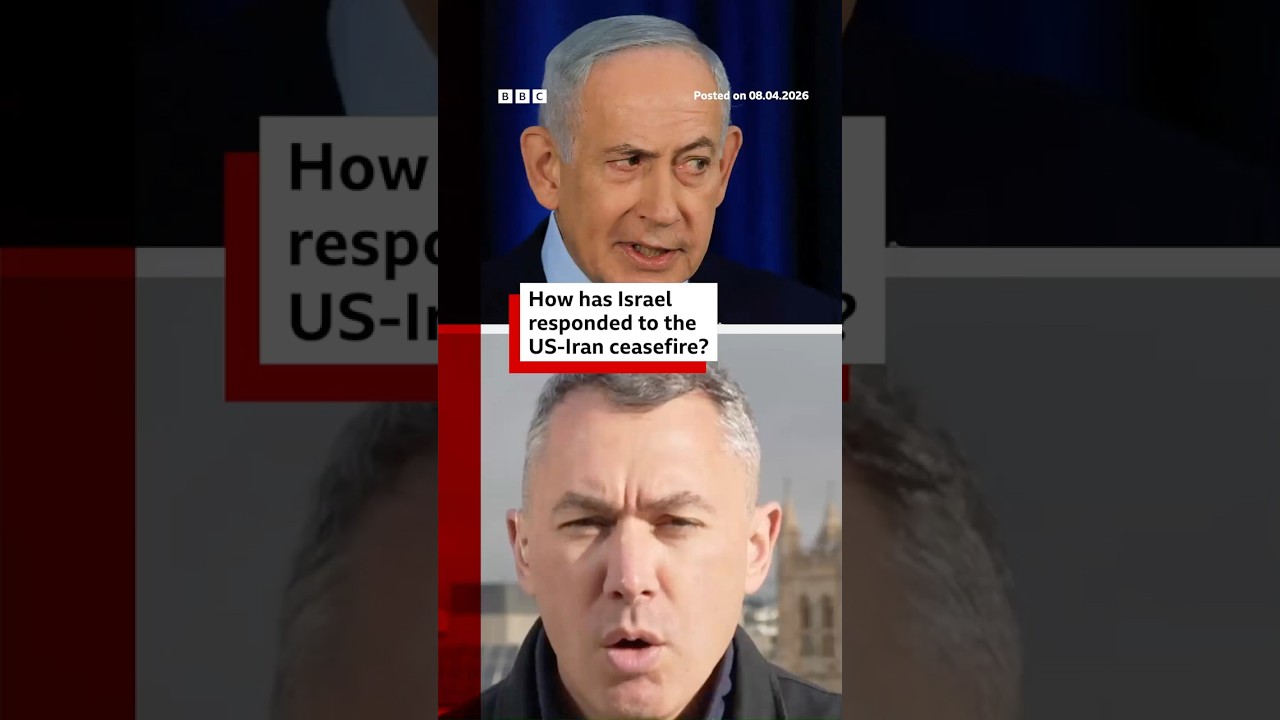
The political landscape surrounding Israel and its neighbors continues to evolve in complex and often volatile ways. This morning, a statement from the office of Israeli Prime Minister Benjamin Netanyahu drew attention for its notable lack of the triumphant tone often associated with political announcements. Instead, the statement acknowledged the decisions made by President Trump regarding a recent ceasefire, indicating support for his initiatives. However, it simultaneously revealed the stark realities underlying the Israeli position in the ongoing conflict.
At the heart of Netanyahu’s statement lies a grim acknowledgment: the objectives set forth at the commencement of the war have not been met. The Iranian regime remains an active player, continuing to pose considerable threats to Israel’s security. Most alarmingly, the recent period has been marked by missile strikes originating from Iranian territories aimed at Israeli targets. The unsettling reality unfolded overnight as sirens blared in Jerusalem, followed by the sound of loud explosions—reminders that despite diplomatic efforts, the conflict is far from resolved.
A particularly contentious point has emerged surrounding the ceasefire agreement: the status of Lebanon. Leaders from Iran and Pakistan have asserted that Lebanon falls under the umbrella of this ceasefire. Conversely, Israeli officials have firmly refuted this claim, stating that Lebanon is not part of the negotiations. This dispute has significant implications, especially considering Israel’s ongoing military engagement with Hezbollah, Iran’s proxy in Lebanon.
The divergence in narratives between these regional powers represents not just a tactical disagreement, but also highlights the intricate tapestry of alliances and enmities that defines Middle Eastern geopolitics today. Understanding the nuances of these statements can shed light on the deeper layers of this conflict, emphasizing the consequential nature of clarifying Lebanon’s role—or lack thereof—in the ceasefire.
Iran’s insistence on including Lebanon in the ceasefire talks can be interpreted in multiple ways. For Iran, asserting Lebanon’s inclusion may serve multiple purposes: enhancing its own position as a regional power, signaling steadfast support for Hezbollah, and reinforcing its influence over Lebanon by framing the ceasefire as inclusive. The message conveyed to both allies and adversaries is clear: Iran remains a significant force in shaping regional dynamics.
On the other hand, Israel’s rejection of any interpretation that includes Lebanon signals an adamant stance toward protecting its own national security interests. The battle against Hezbollah is viewed as existential, not merely a tactical engagement but a fight against an ideology that threatens Israel. This differentiation is not trivial; it underscores the fragility of any proposed ceasefire when the basic assumptions and definitions are in dispute.
With military actions continuing to unfold, the ceasefire agreement appears tenuous at best. The strategic calculus for both sides is fraught with uncertainty. Israel’s immediate security is at stake as it deals with the dual threats of Iran and Hezbollah. Yet, Iran’s potential to destabilize the region remains unabated.
As these tensions unravel, one fact remains clear: The path toward lasting peace in the region is laden with challenges. The current situation demands careful navigation, measured diplomacy, and an acute awareness of the ramifications of any statements or military actions taken by the involved parties.
The geopolitical landscape of the Middle East is, and will continue to be, marked by its intricacy and interdependencies. Achieving a lasting resolution will require more than a ceasefire; it necessitates a fundamental change in how nations perceive and engage with each other in a region where history and ideology can spark conflicts with devastating consequences. This moment in time underscores the necessity for clarity, commitment, and perhaps most importantly, the need for dialogue in the pursuit of peace.