The Escalating Conflict: A Closer Look at the War in Iran
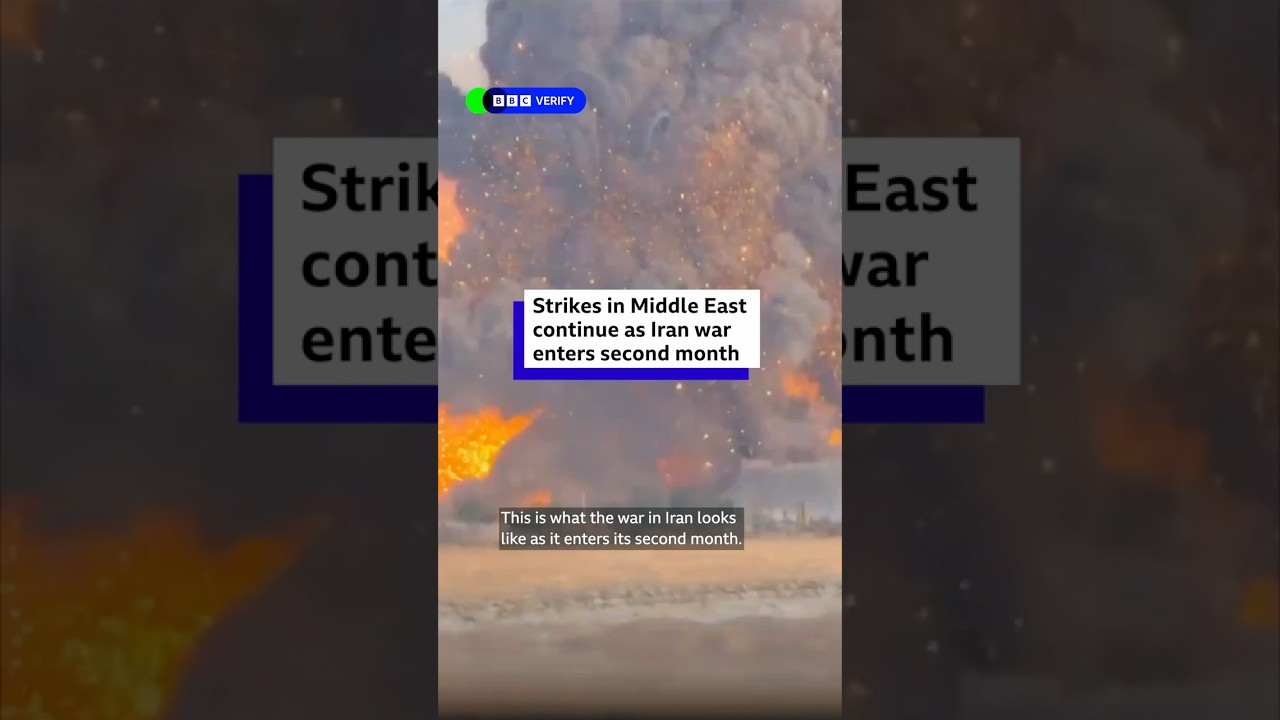
As the conflict in Iran enters its second month, the realities on the ground continue to evolve dramatically. Recent footage from Isfahan, one of Iran’s largest cities, captures a significant explosion near a missile base, highlighting the ongoing hostilities. The tension has escalated to unprecedented levels, with the United States reporting thousands of strikes against Iranian targets over the past four weeks. President Trump has made clear his intentions: “We are going to hit them extremely hard over the next 2 to 3 weeks. We’re going to bring them back to the Stone Ages.”
The complexities of this war extend beyond mere statistics. A dedicated team at BBC Verify has cataloged over 200 attacks affecting various locations throughout Iran. Mashhad, located in the eastern part of the country, has not escaped the fallout, nor has Tehran, the bustling capital. The stark visuals from these regions reveal the immediate impact of warfare on civilian areas, raising questions about the broader humanitarian implications of such a relentless assault.
Despite President Trump’s assertions that the conflict could reach a swift conclusion, the evolving dynamics suggest otherwise. The trajectory of the war is no longer a matter solely dictated by the United States. The conflict’s effects have rippled across the Middle East, implicating at least 13 surrounding countries in the unfolding chaos. Iran, along with its proxy networks, has initiated retaliatory strikes, further complicating the situation.
In Israel, the repercussions of this conflict are markedly present. Recently, an oil facility was targeted, escalating concerns among its citizens. The Israeli military has simultaneously intensified its focus on Lebanon, conducting operations aimed at Iranian-aligned forces, notably the militia group Hezbollah. Strikes against Beirut illustrate the precarious balance of power in the region, as Israel seeks to neutralize perceived threats before they can materialize.
This multifaceted war underscores a critical theme: the interconnected nature of modern conflicts. The engagements are no longer confined to national borders. Instead, they encompass a web of alliances and rivalries that complicate any straightforward resolution. As Iranian proxies retaliate, the potential for further escalation looms large. The specter of a broader regional conflict hangs in the balance, with stakeholders from various nations watching closely.
The humanitarian impact of the war cannot be overstated. Civilians in heavily targeted areas bear the brunt of military strategies that often overlook the principles of proportionality and distinction in conflict. The imagery emerging from places like Tehran and Mashhad reveals not just physical destruction but the psychological toll on communities, many of whom struggle to cope with the incessant threat of violence.
While military strategies dominate headlines, the narratives surrounding individuals caught in the crossfire remain largely underreported. The stories of families uprooted from their homes, children living in fear, and communities trying to maintain normalcy amidst chaos deserve attention. Their resilience amid turmoil reflects a powerful testament to human spirit, even in the face of overwhelming adversity.
As the situation remains fluid, the prospects for peace appear dimmer. Any hopes for a swift resolution hinge on diplomatic negotiations that seem distant amid the turmoil. The U.S. and its allies must confront the challenges inherent in engaging with Iran and its network of affiliates. The complexity of the geopolitical landscape necessitates a nuanced approach—one that considers not only military objectives but the broader consequences for regional stability.
The war in Iran is not merely a clash of arms; it is a conflict that reverberates through personal lives, national policies, and international relations. As it continues to unfold, the toll it takes will not only reshape the Middle East but will have implications that echo far beyond its borders. Understanding this conflict requires a commitment to looking beyond the headlines and recognizing the intricate tapestry of human experiences intertwined with warfare. In doing so, we may glean insights that could inform pathways toward resolution and reconciliation in a deeply fractured landscape.